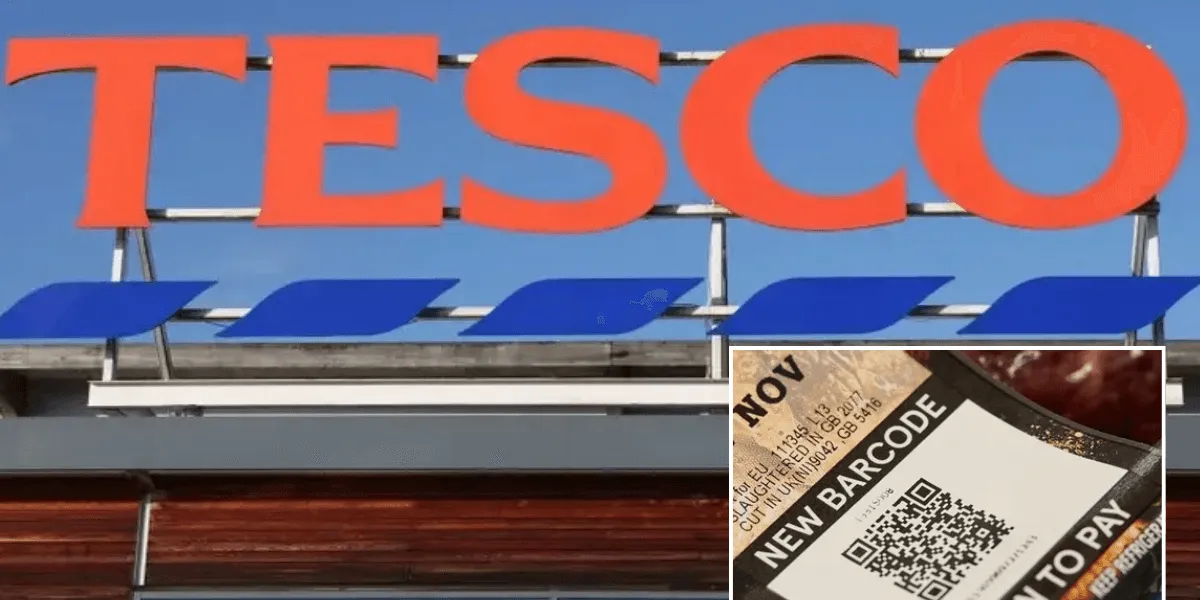
Tesco has made a significant shift in its operations by switching its entire product range over to QR codes. This rollout began with its own-label sausages and marks a pioneering move in the UK supermarket landscape.
The immediate goal of this transition? To provide shoppers with more detailed information about their food choices. By scanning these QR codes, customers can access nutritional content, origin details, and traceability information—all key factors for informed purchasing decisions.
But why QR codes? Unlike traditional linear barcodes, QR codes can store a wealth of information. This capability not only enhances the shopping experience but also addresses pressing issues such as food waste and stock control.
That context matters because it highlights Tesco’s commitment to sustainability. According to Peter Draper, Tesco’s development and change director, “Moving to QR codes will help us reduce food waste, improve stock control and unlock new digital benefits for our customers.” With this initiative, supermarkets can pinpoint exact batches affected during product recalls—an essential factor in maintaining consumer safety.
Moreover, these QR codes allow retailers to block the sale of affected products at the till. This added layer of control is crucial in today’s fast-paced retail environment.
As part of this rollout, 13 sausage lines have already been affected by the introduction of these QR codes. It’s a clear signal that Tesco is not just dipping its toes into digital innovation; it’s diving in headfirst.
Historically, Tesco stands out as the first UK supermarket to implement this technology across its entire product range. This sets a precedent that may influence other retailers to follow suit.
Initial reactions from shoppers have been mixed; some appreciate the transparency while others express concerns about technology reliance. Still, the overarching sentiment leans towards optimism regarding improved access to information.
As this initiative unfolds, it will be interesting to see how it impacts consumer behavior and industry standards. For now, Tesco’s move represents a significant step forward in modernizing grocery shopping.