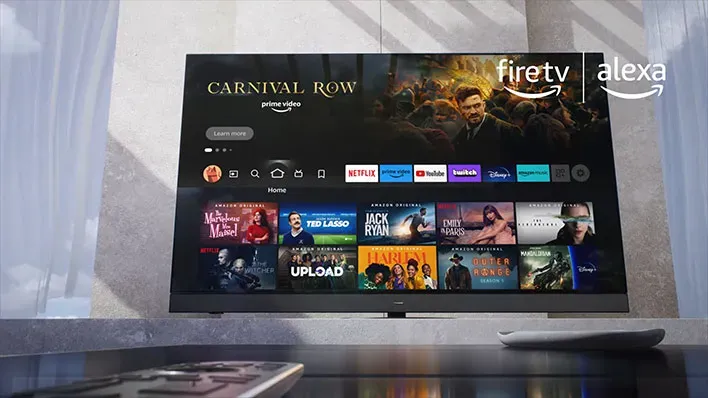
“Starting with Fire TV Stick 4K Select, all future Fire TV Sticks will run on Vega.” This statement from Amazon marks a significant shift in the streaming landscape. With the introduction of Vega OS, Amazon is not just updating its software; it’s redefining how users will interact with their devices.
Vega OS, built directly on Linux, diverges from the previous Fire OS, which was based on Android. This change is substantial. It means that while users will see a familiar interface—designed to resemble Fire OS—the underlying technology is different and less demanding on hardware. But what does this really mean for consumers? In practical terms, it suggests a smoother experience on devices like the new Fire TV Stick HD, which boasts a 30% slimmer profile and is over 30% faster than its predecessor.
That context matters because it highlights Amazon’s strategy to streamline its product offerings. By transitioning all future Fire TV Sticks to Vega OS, Amazon aims not only to enhance performance but also to exert greater control over the ecosystem. However, this comes at a cost: users will find that Vega OS does not support sideloading of apps. This limitation raises an important question: what happens to the flexibility that many users have come to expect from their streaming devices?
The answer lies in Amazon’s approach to app availability. Currently, around 3,000 apps are accessible through the Amazon App Store for Vega OS devices. In contrast, Android-based Fire TV sticks offer about 40,000 apps—a glaring difference that could impact user satisfaction. To bridge this gap, Amazon has begun streaming some Android-based Fire OS apps in the cloud on Vega OS devices. This cloud-based operating system strategy could mitigate some initial frustrations users may face.
Furthermore, it’s essential to note that despite these advancements, Vega OS lacks support for Dolby Vision and Dolby Atmos audio—two features that have become increasingly popular among streaming enthusiasts. Thus, while users may enjoy improved speed and efficiency with the new hardware, they might miss out on high-end audio-visual experiences.
Amazon has been developing Vega OS for years—first testing it on Echo Show smart displays before bringing it into the realm of Fire TV. This long-term commitment hints at a broader vision for Amazon’s ecosystem as it seeks to integrate various devices under a unified operating system.
As we look ahead, all eyes are on how this transition will unfold. Will consumers embrace the new limitations alongside the enhanced performance? Or will they push back against a perceived loss of freedom in app usage? Details remain unconfirmed regarding future developments or additional features expected from Vega OS.
In summary, Amazon’s move to Vega OS represents both an evolution and a restriction within its streaming lineup. As users adapt to these changes, they will need to weigh the benefits of speed and efficiency against the limitations imposed by this new operating system.