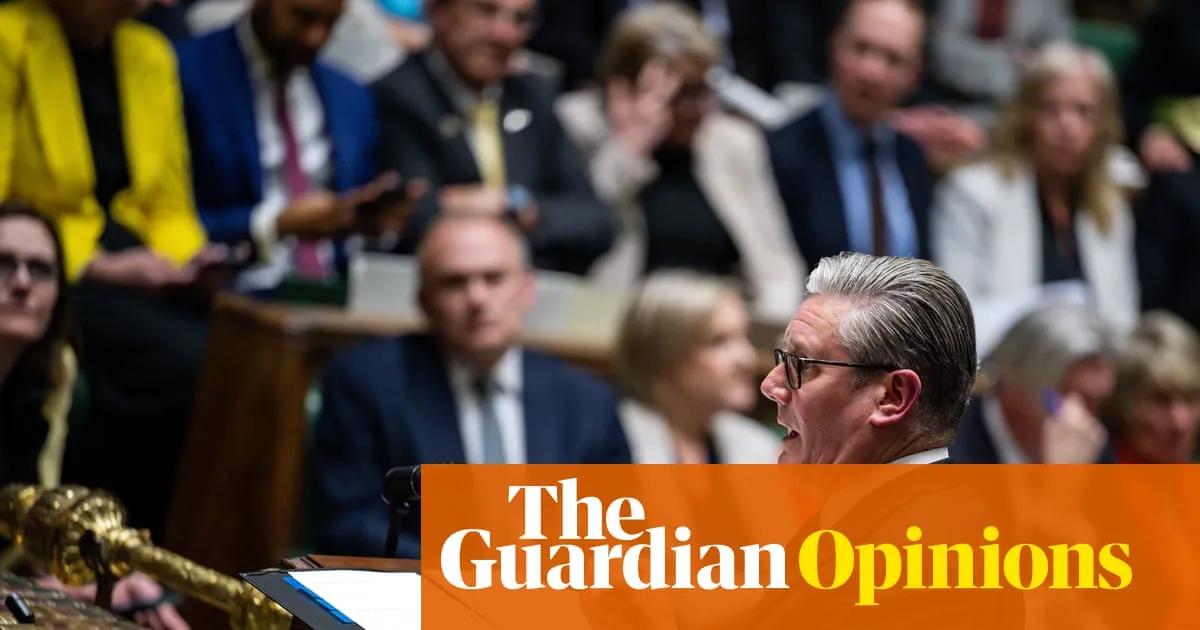
The recent criticism from Diane Abbott regarding Keir Starmer’s appointment of Peter Mandelson as ambassador to the US has sent ripples through UK politics. The stakes are high: this controversy not only questions Starmer’s judgment but also raises concerns about the integrity of political appointments at the highest level. When a prominent MP like Abbott, known as the ‘Mother of the House’, challenges a leader, it’s a signal that something is amiss.
Abbott’s inquiry was pointed. She asked why Starmer did not verify whether Mandelson had passed security vetting before his appointment. This question is crucial because Mandelson has a troubled history—he was fired from government twice before being considered for this role. It begs the question: how could such an appointment proceed without thorough checks? Yet, it appears that Starmer himself admitted he was unaware that Mandelson had failed the Foreign Office vetting process prior to his appointment.
This admission is particularly troubling. If the leader of a political party does not have access to essential information about his appointees, what does that say about his leadership? Following these revelations, Starmer took action by sacking Olly Robbins, the top civil servant in the Foreign Office. This move indicates a recognition of mismanagement but also suggests chaos within his administration.
Starmer’s judgment has been scrutinized not just by Abbott but by multiple MPs who question how someone with Mandelson’s record could be appointed to such a significant position. The ongoing scrutiny surrounding this issue underscores a larger concern: can Starmer effectively lead if he fails to vet those he places in key roles? As Abbott aptly stated, “Peter Mandelson has a history.” This history is now being viewed through a critical lens.
The implications extend beyond individual appointments. They speak to broader issues within the Labour Party and its leadership under Starmer. The appointment of Mandelson has triggered ongoing criticism and skepticism about Starmer’s capacity to govern effectively. When political leaders make questionable decisions, it can erode public trust and confidence in their ability to lead.
Keir Starmer responded to these allegations by expressing disbelief at how information regarding Mandelson’s vetting could be withheld from him and other senior ministers. He remarked, “It beggars belief that throughout the whole timeline of events, officials in the Foreign Office saw fit to withhold this information from the most senior ministers in our system in government.” This statement reflects frustration but also highlights an alarming disconnect between politicians and their advisors.
What happens next remains uncertain. Will this controversy lead to deeper investigations into the vetting processes within government appointments? Or will it fade away like many political scandals do? Details remain unconfirmed, but one thing is clear: Diane Abbott’s criticisms have ignited a firestorm that could reshape perceptions of leadership within the Labour Party and beyond.