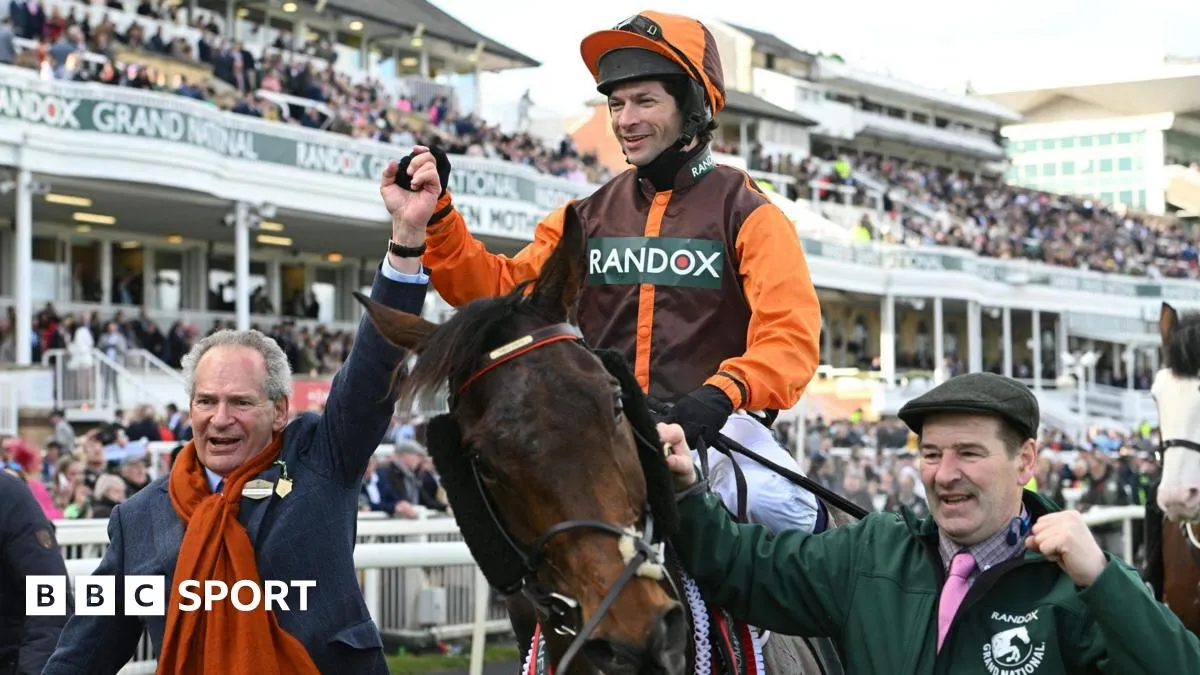
Noble Yeats was a name that resonated in the world of horse racing. Before his stunning victory in the 2022 Grand National, expectations were modest. Few believed a horse with 50-1 odds could triumph in such a prestigious event. Yet, against all odds, he did—becoming the first seven-year-old to win since Bogskar in 1940.
That moment changed everything. Sam Waley-Cohen rode him to glory, fulfilling dreams for both horse and rider. “He gave us one of the great days of our lives,” Waley-Cohen reflected. This victory was not just a win; it was a significant milestone in racing history.
But as with many stories of triumph, there came a shadow. After winning seven races throughout his career, Noble Yeats faced health challenges. He was retired at age nine due to arthritis—a condition that would ultimately lead to his untimely demise.
On April 15, 2026, signs of distress became apparent when he looked uncomfortable. The next day, Noble Yeats passed away at just 11 years old while living at his owner’s stud farm in Oxfordshire. “It was a grim moment,” said Robert Waley-Cohen, reflecting on the heart-wrenching loss.
This shift from celebration to sorrow highlights the fragility of life—even for champions. The impact rippled through the racing community and fans alike. Noble Yeats had not only won races; he had captured hearts.
The Waley-Cohens plan to plant a tree above his ashes as a tribute—a fitting memorial for a horse that brought joy and excitement into their lives.
His legacy will endure through these memories and gestures of love. As Sam Waley-Cohen poignantly noted, “His ability outstripped his looks.” It’s true; Noble Yeats was more than just an impressive athlete—he was an emblem of hope and perseverance.
Yet this story serves as a reminder of life’s unpredictable nature. In racing, as in life, highs can swiftly turn into lows. Details remain unconfirmed about how we can better protect our equine athletes in the future.