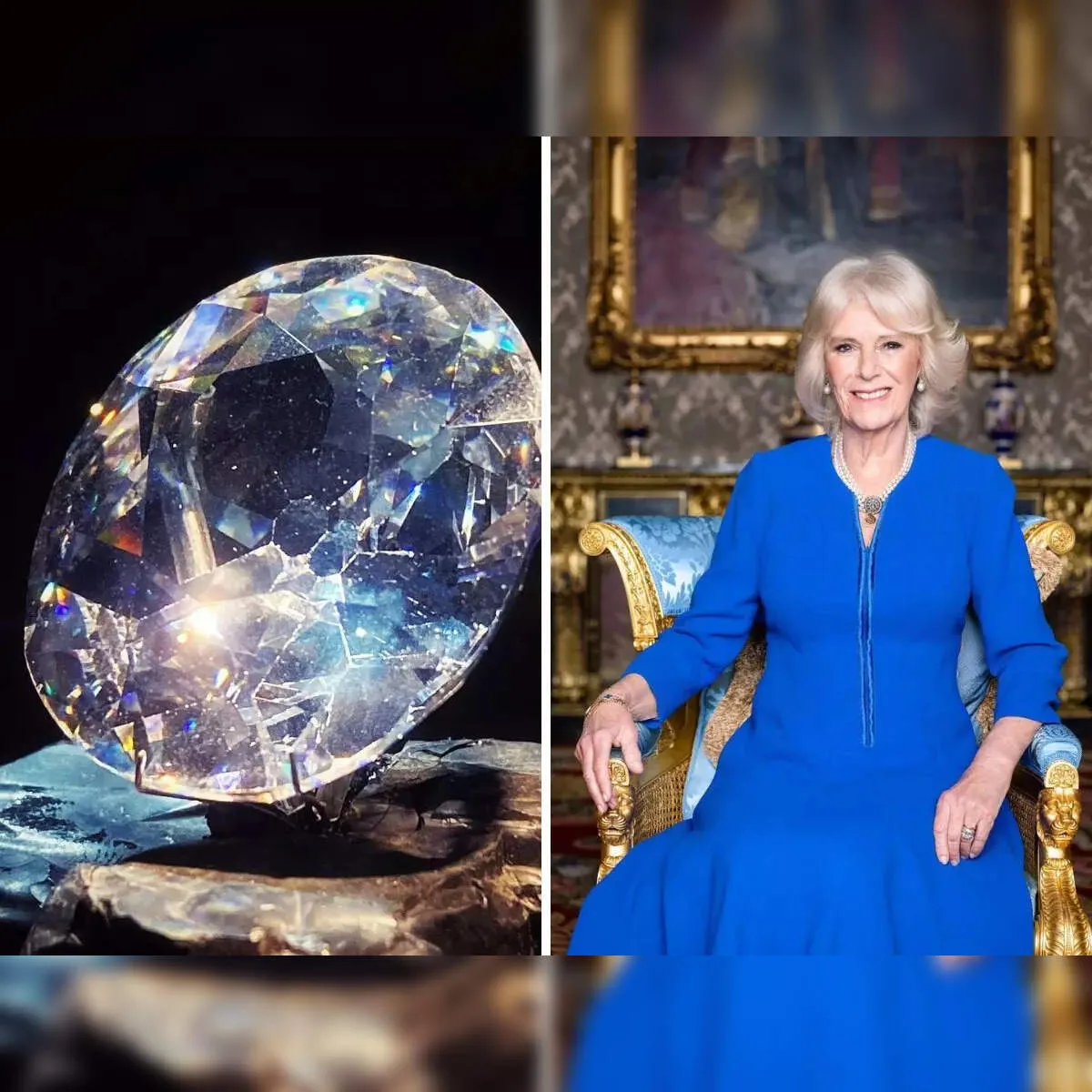
“If I was to speak to the king separately from that, I would probably encourage him to return the Kohinoor diamond,” said New York City Mayor Zohran Mamdani. His statement underscores a growing sentiment regarding the need for restitution of colonial artifacts, particularly those like the Koh-i-Noor diamond, which have deep historical roots in India.
The Koh-i-Noor diamond has been part of the British Crown Jewels since the annexation of Punjab in 1849. Originally discovered in India, likely from the Kollur mine in present-day Andhra Pradesh, this gem carries with it a history steeped in colonial exploitation. India claims that the diamond was taken under duress and has repeatedly demanded its return, making it a focal point in discussions about historical injustices.
That context matters because it reflects broader Indo-British relations. The Koh-i-Noor has become emblematic of ongoing debates surrounding restitution—who rightfully owns cultural treasures taken during colonial rule? As Mamdani pointed out, this diamond is not just a piece of jewelry; it represents centuries of oppression and exploitation.
The Koh-i-Noor was handed over to the British Crown by Lord Dalhousie as part of the Treaty of Lahore. Since then, it has undergone significant alterations—cut down from its original weight of 793 carats to just 105.6 carats. This drastic change speaks volumes about how colonial powers often manipulated cultural artifacts for their own purposes.
Interestingly, claims to the Koh-i-Noor extend beyond India. Pakistan, Afghanistan, and Iran have also laid claim to this precious stone, complicating any potential negotiations regarding its return. As one observer noted, “The diamond has been a major bone of contention between the U.K. and India; however, Iran and Pakistan have also laid claims to the stone.” This multifaceted dispute illustrates how colonial legacies continue to affect international relations today.
Mamdani’s remarks come at a time when discussions about historical injustices are gaining traction globally. He stands out as the first South Asian, Muslim, and African-born mayor of New York City—a position that amplifies his voice on these issues. The call for returning artifacts like the Koh-i-Noor is increasingly seen as a moral imperative rather than just diplomatic posturing.
The next expected development could involve official requests directed at King Charles III regarding the future of the Koh-i-Noor. As discussions evolve, this diamond remains a potent symbol—one that embodies both beauty and sorrow. Its fate may well influence how modern nations reconcile with their pasts.