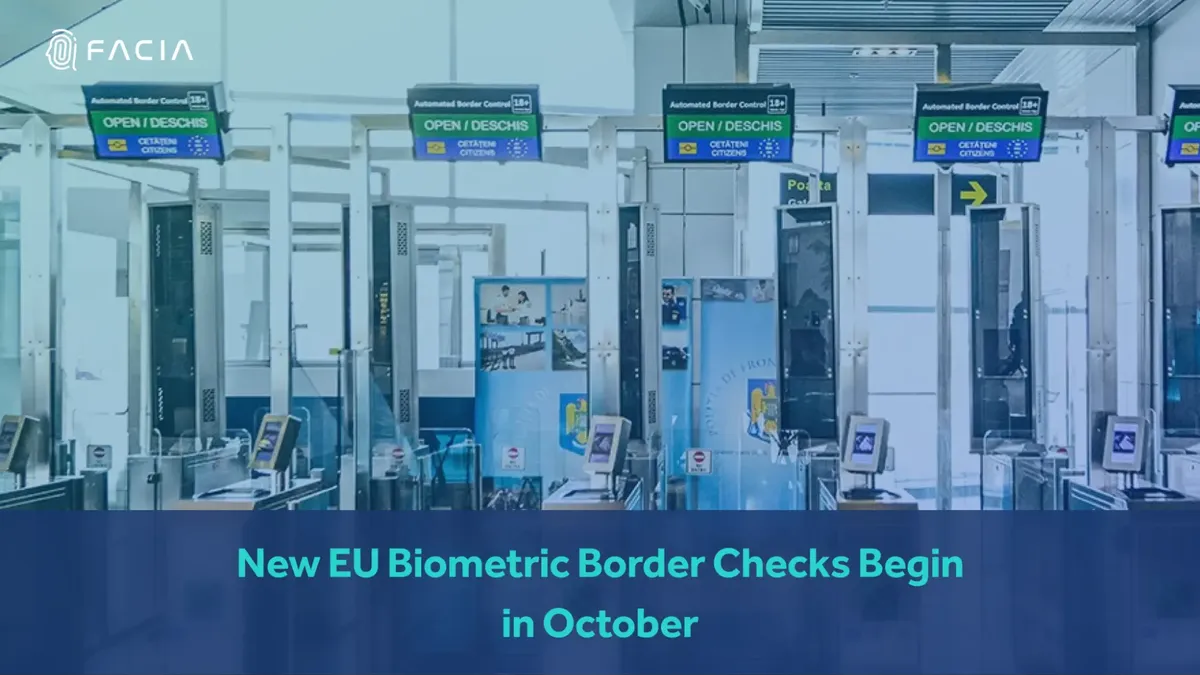
A family faced an 11-hour ordeal at Charles de Gaulle airport on April 29, 2026, due to extensive delays caused by the new EU border biometric checks. These issues highlight significant operational challenges with the recently implemented Entry/Exit System (EES), which aims to streamline passport control for non-EU nationals.
The troubles began when David Newton and his family arrived at the airport three hours before their flight. Instead of a smooth transition, they found themselves stranded in queues for over five hours just to undergo biometric checks. The EES requires passengers to provide fingerprints and a facial photo, a new rule that has added complexity to border processing.
As David described it, the scene was pure “mayhem”—thousands of passengers were stuck waiting. With only about a third of the 15 available booths manned, lines grew rapidly. Many travelers expressed their frustration, with some even in tears, fearing they would miss their flights.
Compounding these issues were technical problems affecting EES kiosks across major hubs in France. Reports indicate that around 25 kiosks were not operational, forcing officials to process passengers manually, which took approximately five minutes per person. This inefficiency contributed to travel delays that were exacerbated during peak hours.
Meanwhile, Greece has temporarily suspended biometric checks for British nationals amidst similar long queues. ACI Europe has warned that passengers could face delays of up to three hours during busy travel periods, raising further concerns about the system’s reliability.
The European Commission stated that despite these setbacks, the EES has been functioning well in most member states since its full launch on April 10. However, several European countries have halted EES checks at airports due to ongoing long wait times.
With David’s family finally processed two hours after their flight took off and needing an additional four hours just to check their luggage in again, this incident serves as a wake-up call for authorities. It raises questions about how effectively they can manage such a comprehensive system while ensuring smooth travel experiences.