What are the fuel protests in Northern Ireland about? These protests are a direct response to the rising fuel costs that have left many residents frustrated and seeking government intervention.
Protests have emerged across Northern Ireland, highlighting public discontent over soaring fuel and fertiliser prices. The Ulster Unionist Party has acknowledged this frustration, emphasizing the need for a substantial cut in fuel duty from the UK Government.
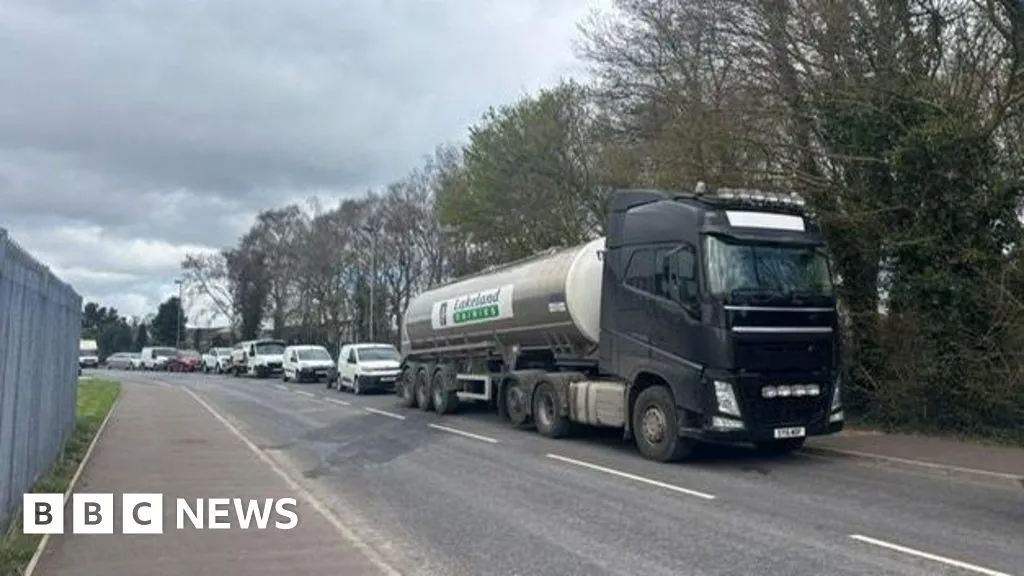
According to reports, drivers have been warned to allow extra time for their journeys due to the disruptions caused by the protests. Slow-moving convoys have also been seen protesting against rising fuel costs in the Republic of Ireland.
Truck driver Sonny Boyd expressed his concerns, stating that the cost of fuel is “crazy” and calling for immediate government action. He remarked, “We just need the government to step in and help us because we can’t do this any longer.” Boyd’s comments reflect a broader sentiment among workers who feel the economic strain of rising costs.
The Ulster Unionist Party has also stressed that while everyone has a legitimate right to protest, it is essential that these demonstrations remain lawful and do not hinder emergency services. A spokesperson for the party noted, “These are the people being punished simply for going out to work and keeping our economy moving.”
Farmers are particularly affected, facing mounting fertiliser costs that threaten to impact food prices. This situation underscores the interconnectedness of fuel prices and broader economic issues affecting various sectors.
As protests continue, the question remains: how will the government respond to these escalating concerns? The ongoing demonstrations highlight the urgent need for dialogue between the public and policymakers to address the economic challenges faced by many.
Details remain unconfirmed regarding any specific government actions that may be taken in response to the protests, leaving many to wonder what the future holds for fuel prices and economic stability in Northern Ireland.