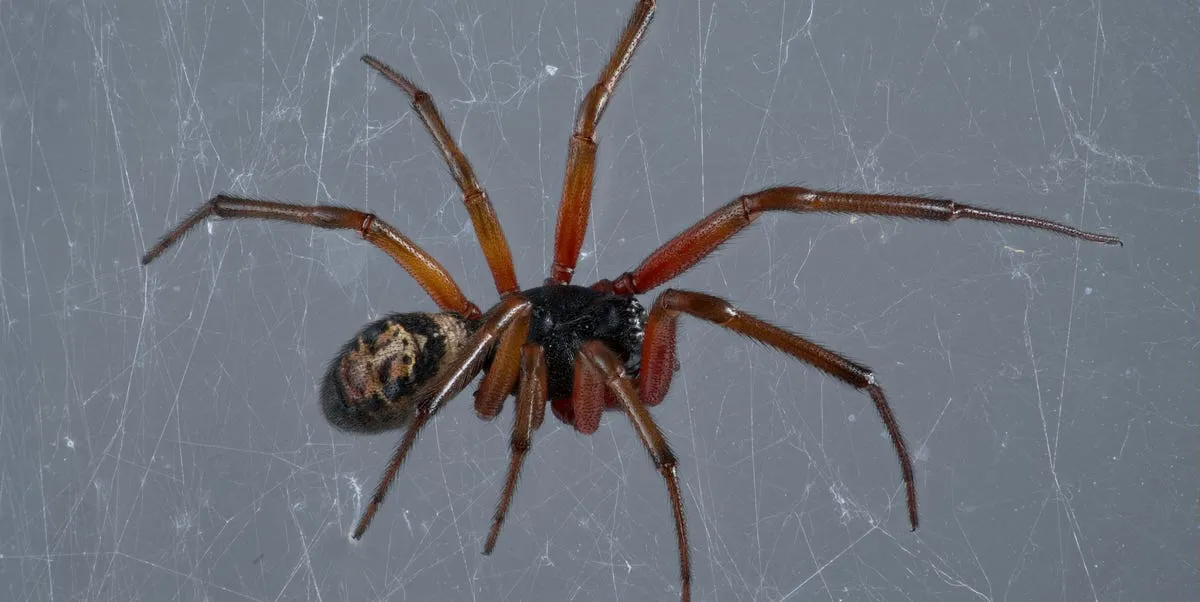
The false widow spider, recognized as the most venomous spider in the UK, has become a growing concern for public health officials. Recent reports indicate that there were over 100 hospital admissions in 2025 due to spider bites, a sharp increase from just 47 in 2015. This alarming trend highlights the rising prevalence of these spiders, particularly in urban areas.
First spotted in the UK in 1879, noble false widow spiders have exploded in population since the early 2000s. They are now among the second most common spiders found in urban habitats across Ireland and likely the UK. Their adaptability to living around buildings makes them a frequent presence in homes.
Dr. Michel Dugon, an expert on spider behavior, notes that these spiders prefer to inhabit areas close to human dwellings rather than natural habitats. “We know that those species indeed can actually bite,” he stated, emphasizing the need for awareness regarding their presence.
While bites from false widow spiders can lead to severe symptoms such as pain, tremors, and dizziness, some individuals have reported more serious consequences. Chris Keegan, a bite victim, shared his experience: “Something so tiny and trivial if ignored could have led to my thumb or hand being removed, or sepsis could have set in.” Such statements underline the potential dangers associated with these seemingly benign creatures.
The increase in false widow spider populations is attributed to various factors, including globalisation and possibly climate change. However, the exact reasons for this population explosion remain unclear. Details remain unconfirmed regarding the specific role climate change plays in their spread.
Clive Hambler, a biologist, remarked, “The days when you could just treat spiders as benign in Britain are over.” This sentiment reflects a growing recognition of the need to address the risks posed by these spiders.
Interestingly, removing all spiders from homes can inadvertently allow false widows to settle in due to a lack of competition. Additionally, reducing outdoor lighting may help minimize the number of insects attracted to homes, making them less appealing to spiders.
As the noble false widow spider continues to thrive in urban settings, public awareness and education about their presence and potential risks are more important than ever. The NHS and other health organizations are likely to continue monitoring this situation closely.