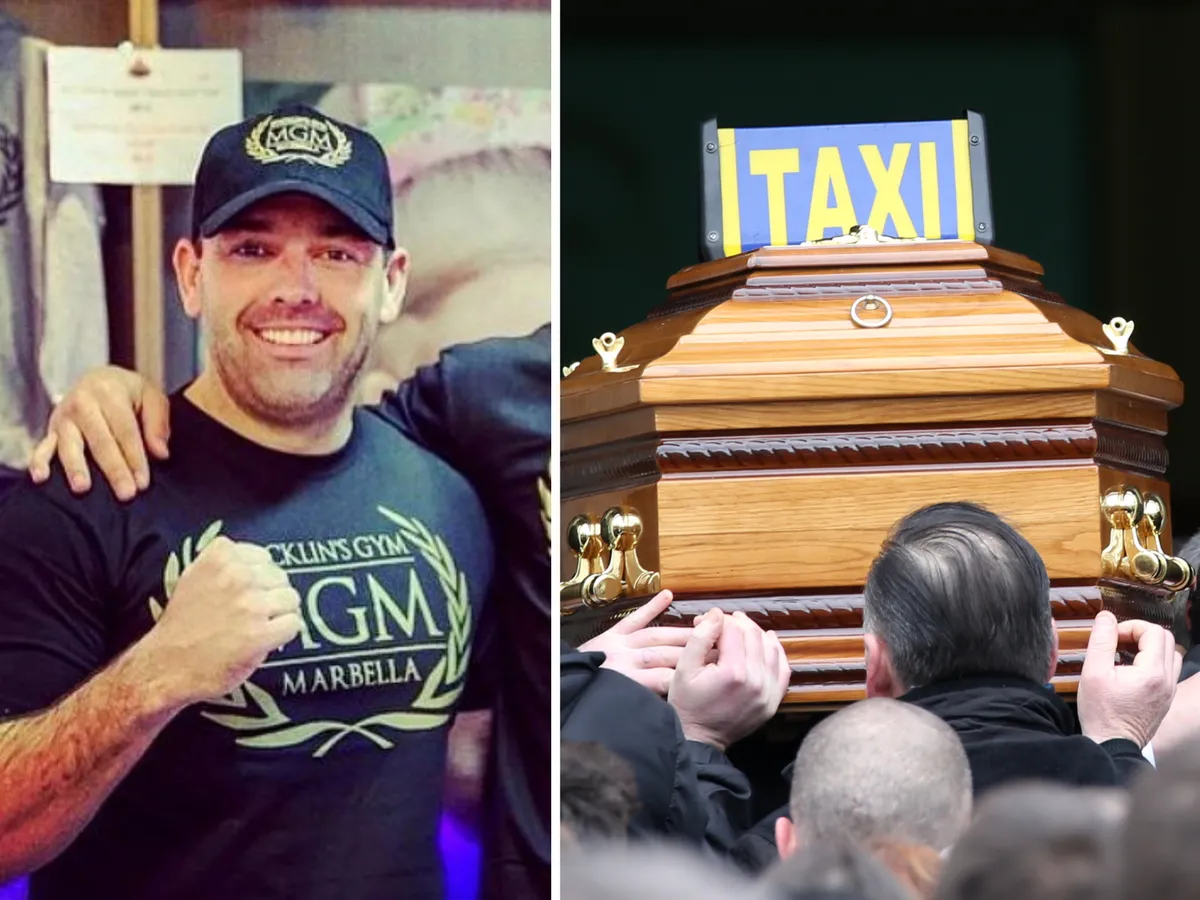
Until recently, Daniel Kinahan was a name synonymous with organized crime. The leader of the Kinahan cartel, he was deeply entrenched in drug trafficking, linked to at least 20 murders across Europe. His influence extended beyond the criminal underworld; he had carved a niche as a boxing promoter, even working with high-profile athletes like Tyson Fury. For years, he operated with relative impunity from Dubai, especially after fleeing there following a 2016 assassination attempt in Dublin.
But everything changed on April 15, 2026. In a decisive moment for international law enforcement, Kinahan was arrested in the United Arab Emirates. This arrest was not random; it came after an Irish court issued an arrest warrant based on serious charges against him. The timing was crucial—just 48 hours elapsed between the warrant’s issuance and his capture, highlighting the efficiency of the extradition agreement established between Ireland and the UAE in October 2024.
The implications of this arrest are profound. For one, it signals a renewed commitment to tackling transnational organized crime through international cooperation. Irish Minister Jim O’Callaghan welcomed the news, emphasizing that this development is the result of tireless work by law enforcement agencies across borders. The Dubai police confirmed that this action was part of broader efforts to combat cross-border crime—a clear indication that authorities are taking a more aggressive stance against figures like Kinahan.
What does this mean for those involved? For Kinahan himself, it could lead to extradition back to Ireland to face charges related to his alleged criminal activities. His arrest also puts pressure on associates within the Kinahan cartel and raises questions about their future operations. With U.S. sanctions already imposed on him in 2022 for drug smuggling and money laundering, his capture may further destabilize a network that has an estimated worth of $20 billion from cocaine trade alone.
This shift doesn’t just affect Kinahan; it resonates throughout the boxing world as well. Kinahan has been instrumental in arranging high-stakes bouts for fighters like Tyson Fury—reportedly earning $4 million for his efforts. The fallout from his arrest could ripple through sports management and sponsorships tied to organized crime figures.
Experts have noted that this arrest represents a crucial moment in the fight against organized crime. “The arrest is another extremely important demonstration of the need for international law enforcement cooperation in tackling transnational organised crime,” stated an Irish police spokesperson. This perspective is vital; it underlines how complex networks operate across borders and how vital collaboration is for dismantling them.
That context matters because it illustrates a growing recognition among governments that isolated efforts are insufficient against sophisticated criminal organizations. As more countries sign treaties and share intelligence, we might see more arrests like Kinahan’s in the future—potentially changing the landscape of organized crime.
Details remain unconfirmed regarding what specific charges Kinahan will face upon extradition or how this will affect ongoing investigations into his cartel’s operations. However, one thing is clear: the dynamics of organized crime are shifting as law enforcement agencies adapt to meet these challenges head-on.