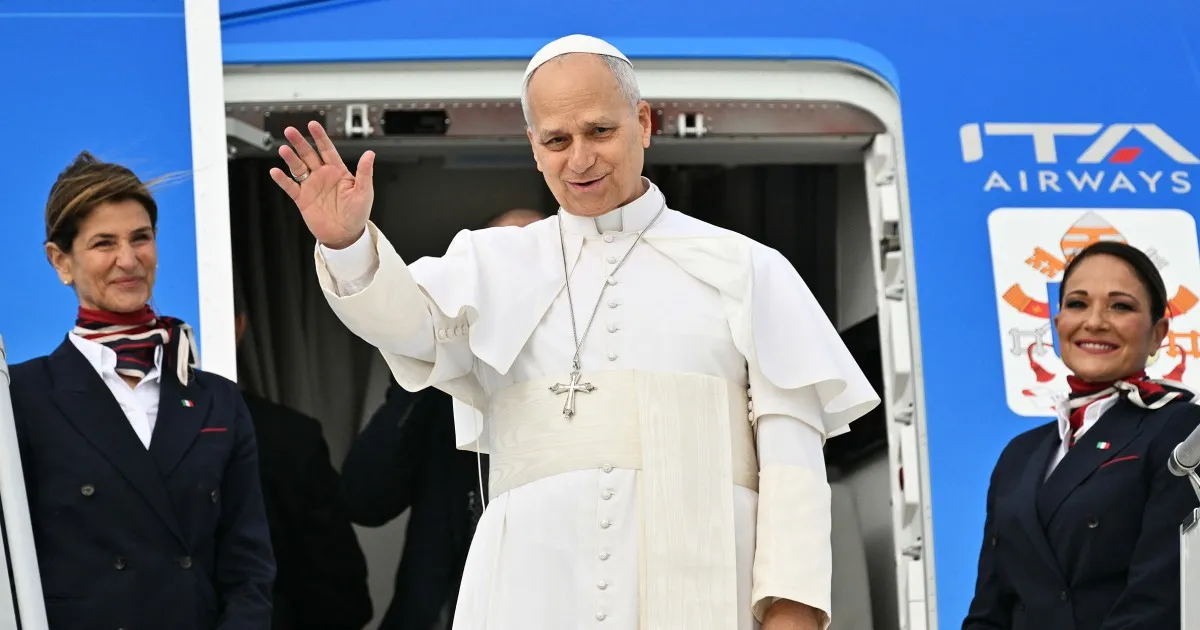
Tensions between Donald Trump and Pope Leo XIV have escalated recently, reflecting a significant shift in the relationship between political and religious leaders in the United States. Prior to this development, many expected a more cordial interaction, especially given Trump’s previous engagements with religious figures. However, the atmosphere has changed dramatically.
On April 13, 2026, during Pope Leo XIV’s 11-day tour of four African nations, Trump criticized the pontiff, labeling him as ‘weak on crime’ and ‘terrible for foreign policy.’ This marked a decisive moment, as it was one of the most direct confrontations between a sitting U.S. president and the leader of the Catholic Church.
Pope Leo XIV responded firmly, stating, ‘I have no fear of the Trump administration, or speaking out loudly of the message of the gospel.’ This exchange highlights the pope’s commitment to his principles, despite the backlash from political figures.
In a controversial move, Trump also posted an AI-generated image of himself depicted as a Jesus-like figure, which he later deleted following backlash from conservatives. This incident further fueled the tensions, as it raised questions about the appropriateness of such imagery in the context of political discourse.
Archbishop Paul Coakley rebuked Trump’s comments about the pope, expressing disappointment that the President chose to write disparaging words about the Holy Father. He emphasized that ‘Pope Leo is not his rival; nor is the Pope a politician,’ underscoring the distinct roles of religious and political leaders.
The criticism from church leaders and conservatives illustrates the growing concern about the intertwining of faith and politics, particularly in light of the U.S. administration’s hardline immigration policies and military actions. Many religious figures are increasingly vocal about their opposition to policies they view as contrary to the teachings of the gospel.
Trump’s remarks have not only drawn ire from the Vatican but have also sparked a broader conversation about the role of faith in American politics. As the divide deepens, both sides appear entrenched in their positions, with little indication of reconciliation.
As this situation unfolds, it raises critical questions about the future of political-religious relations in the U.S. and how leaders will navigate these complex dynamics moving forward. Details remain unconfirmed regarding the long-term implications of this clash.