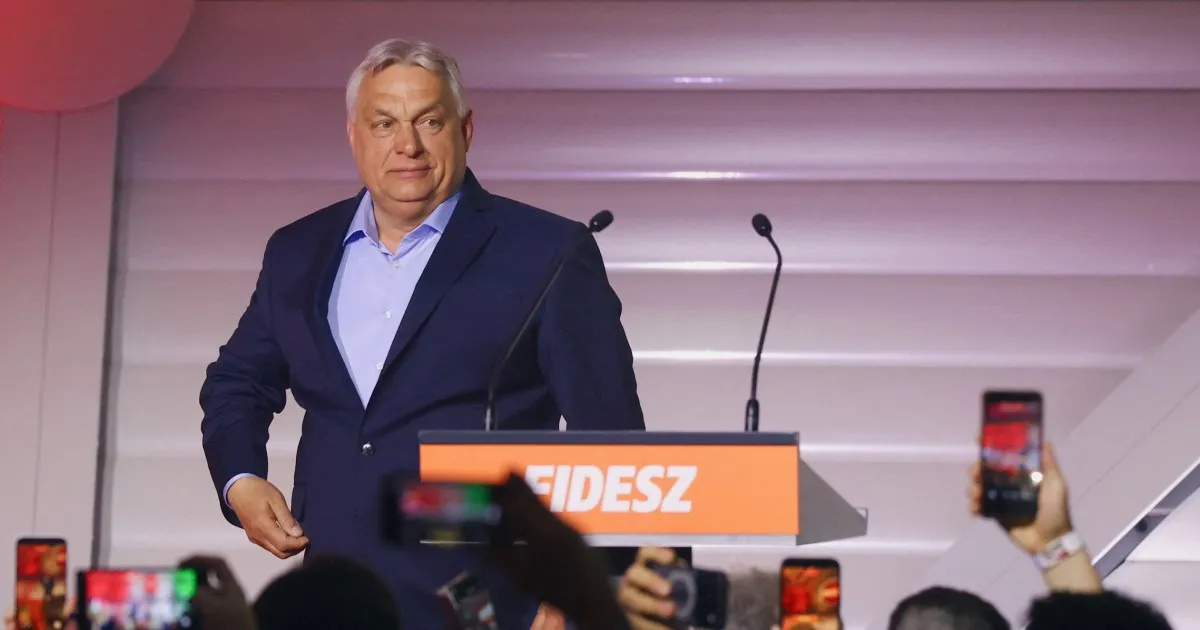
“Hungary has chosen Europe and that it returns to its European path,” stated Ursula von der Leyen, President of the European Commission, following a significant political shift in Hungary. This statement comes on the heels of Viktor Orban’s defeat after 16 years in power, marking a pivotal moment for the country and its relationship with the European Union.
With the new government in Hungary, there are expectations that it will unblock the EU’s substantial 90-billion-euro loan to Ukraine, a critical financial support amid ongoing geopolitical tensions. The shift in Hungary’s political landscape is not just a national issue; it reverberates throughout the EU, where leaders are recalibrating their stances on Ukraine.
Belgian Prime Minister Bart De Wever has emerged as a new leader skeptical of Ukraine’s integration into the EU, while Slovakia’s Prime Minister Robert Fico aligns closely with Orban’s previous policies. Meanwhile, Czechia is witnessing a coalition under Prime Minister Andrej Babis that shares similar skepticism towards Ukraine.
In Poland, President Karol Nawrocki has been at odds with the pro-Ukrainian government led by Prime Minister Donald Tusk, indicating a growing divide within the EU regarding support for Ukraine. This internal discord comes at a time when the EU has consistently championed Ukraine’s sovereignty and territorial integrity.
The EU plays a vital role in the Western Balkans, particularly through the EU-facilitated Belgrade-Pristina Dialogue, and its support for the United Nations is crucial, especially given the current breakdown of international law. The EU provides 42 percent of Official Development Assistance (ODA) and finances a quarter of the UN’s regular budget, underscoring its global influence.
Kaja Kallas, Prime Minister of Estonia, emphasized the importance of the EU’s support for the UN, stating, “The EU’s support for the UN now is more vital than ever.” This sentiment reflects the broader challenges facing the EU as it navigates its role in a rapidly changing geopolitical landscape.
As Hungary adjusts its political course, the implications for EU unity and its approach to Ukraine remain to be seen. The upcoming months will be critical as the EU seeks to maintain its commitments while addressing the diverse perspectives of its member states.