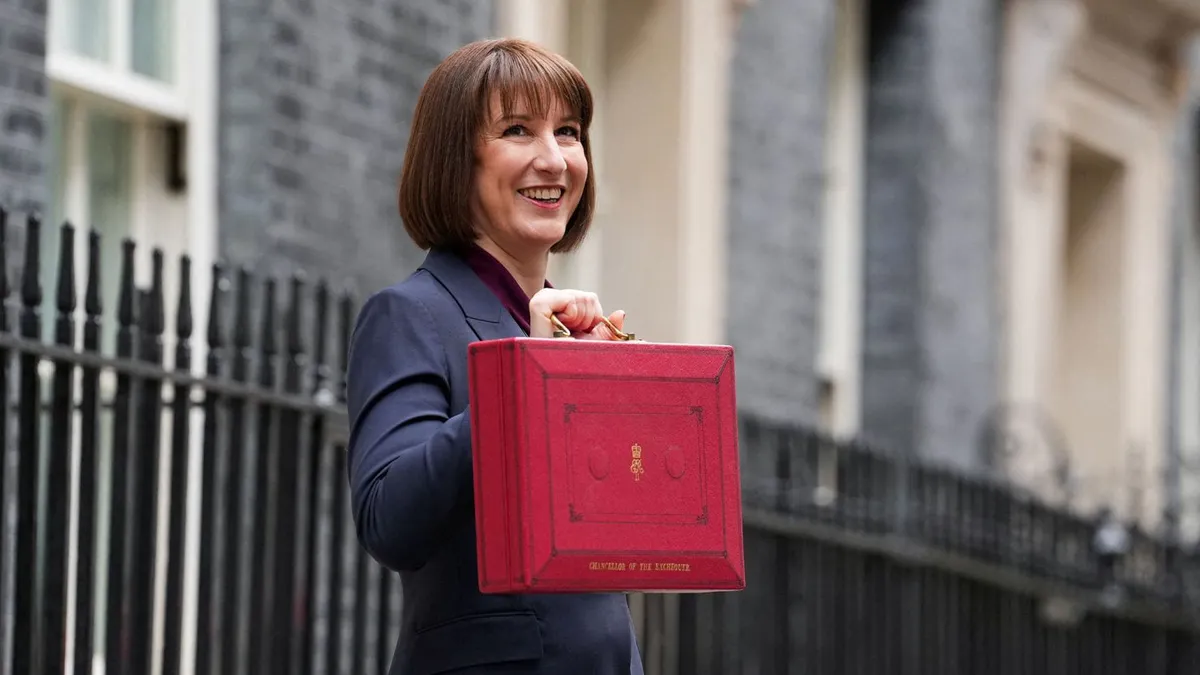
Rachel Reeves has confirmed significant tax changes that will affect millions in the UK, including a new charge for certain cars and increased taxes on savings and rental income starting from April 6, 2027.
The changes stem from a broader effort to reform the tax system amidst rising costs and economic pressures. The government aims to ensure that those with higher incomes contribute more, while also addressing environmental concerns through vehicle taxation. But how exactly will these changes manifest?
Key changes include:
- The cash Isa limit will drop from £20,000 to £12,000 for individuals under 65.
- Income tax rates on savings and rental income will increase by 2 percentage points.
- Basic-rate taxpayers will pay 22% on interest or property income.
- Higher-rate taxpayers will pay 42%, while additional rate taxpayers face a hefty 47%.
- The threshold for Making Tax Digital will fall from £50,000 to £30,000.
- A new charge of £410 will apply for certain cars under the Vehicle Excise Duty (VED) rates.
These shifts are not just numbers; they represent a significant change in financial planning for many. Jason Hollands from Evelyn Partners highlighted that “in a higher-tax environment, how you structure your savings will become even more important than it is now.” This statement reflects the reality that many individuals must now reassess their financial strategies—especially landlords who are already feeling the pinch.
The Vehicle Excise Duty adjustments further complicate matters. From April 2026, petrol and diesel cars emitting over 255g/km registered after April 1, 2026, will incur costs upwards of £5,690. Meanwhile, electric vehicles will see a minimal charge of just £10 annually in addition to the standard rate of VED—an effort to encourage greener choices.
As these changes approach, uncertainties linger. For instance, how will these tax reforms affect overall consumer spending? Will they deter investment in property or savings? Kenneth Rowson pointed out that “VED has nothing to do with road tax and is just another tax imposed on motorists which goes into the general tax pot,” raising questions about transparency and fairness in taxation.
With these significant shifts on the horizon, individuals should prepare for a landscape where financial decisions carry greater weight than before. The countdown is on as we approach April 6, 2027, when these measures take effect—prompting many to reconsider their current financial positions.