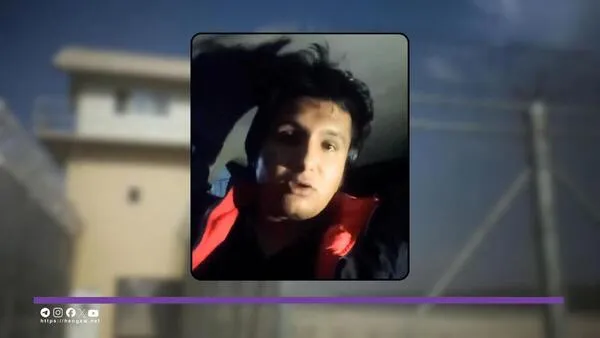
Dariush Rafiee Taghanki was arrested after four months in hiding on April 30, 2026, during a raid by government forces in Orumiyeh, Iran. This event coincides with a troubling trend in the Iranian judiciary, as the country executed two men on May 2, 2026, without notifying their families or lawyers.
Taghanki, a 28-year-old former political prisoner and member of the Qashqai Turk community, had been living under constant security pressure. Authorities have not disclosed any information regarding the arresting body or the specific charges against him. This lack of transparency raises serious questions about the state of human rights in Iran.
The executions of Nasser Bakerzadeh and Yaghoub Karimpour are particularly alarming. Both men were transferred to solitary confinement just before their deaths—an approach that reflects severe treatment within the Iranian penal system. Bakerzadeh’s death sentence had been overturned twice by the Supreme Court, highlighting potential miscarriages of justice within the system.
Key facts about the recent executions:
- Nasser Bakerzadeh’s sentence was overturned twice before execution.
- Yaghoub Karimpour faced intense pressure to produce forced confessions.
- Both men were executed without prior notification to their legal representatives or families.
The Iranian judiciary’s actions have sparked outrage among human rights advocates. Karimpour described spending more than two months at the Ministry of Intelligence detention center under inhumane conditions. He categorically denied transmitting any information to any person or institution.
This situation is part of a broader pattern where political prisoners face severe consequences for dissent. The lack of communication regarding arrests and executions raises concerns about due process and transparency in Iran’s legal system. No timeline has been shared regarding when further details might emerge about Taghanki’s case.