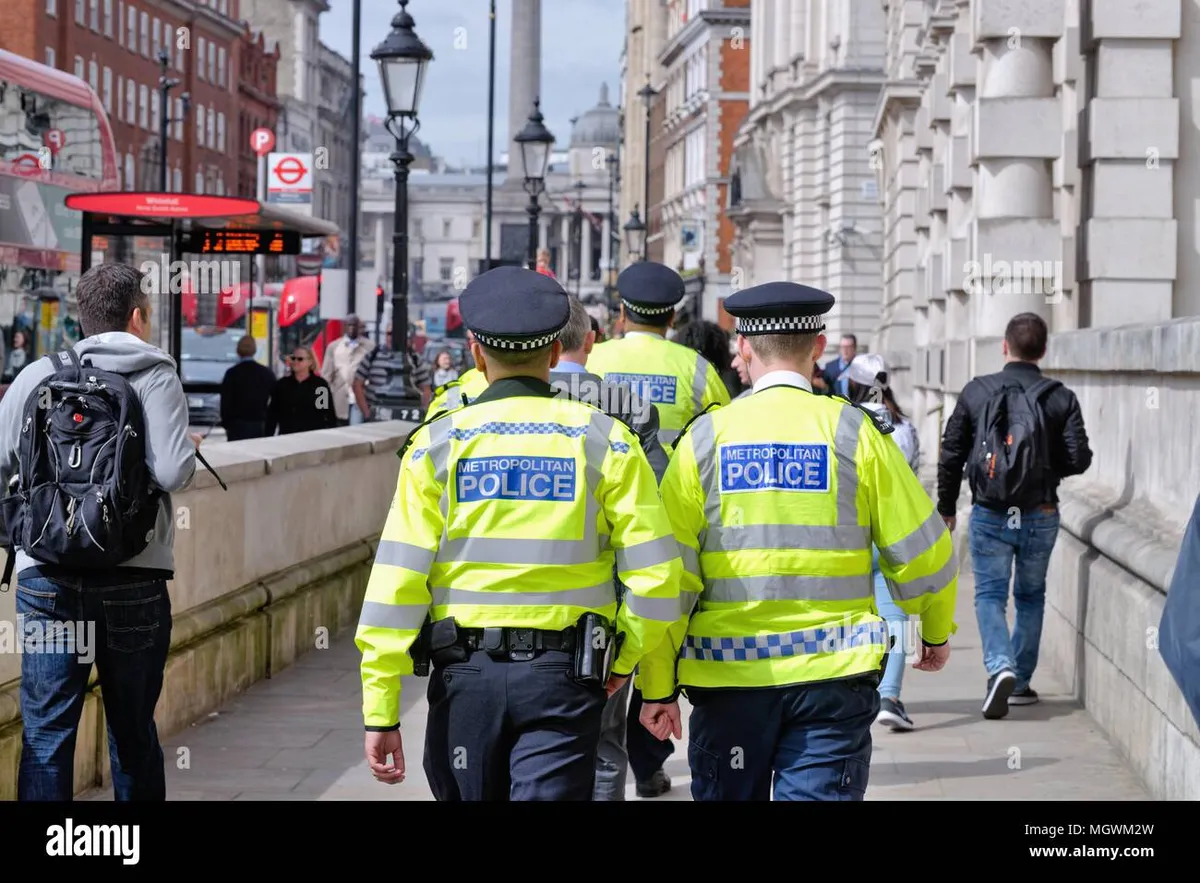
Recently, Zack Polanski reignited tensions with the head of the Metropolitan Police over their actions during the Golders Green terror attack. His remarks have not only drawn attention but also sparked a significant political backlash, raising critical questions about police accountability amid election campaigns.
This controversy unfolded after Polanski shared an inaccurate post regarding police conduct during the Golders Green incident. He later apologized for this misstep but expressed ongoing concerns about the actions of officers involved in that situation.
In response, Sir Mark Rowley, the head of the Metropolitan Police, criticized Polanski for his comments, emphasizing that they could potentially create a chilling effect on public trust in law enforcement. Rowley stated, “Without their efforts to stop him, I dread to think what the outcome could have been,” highlighting the importance of police intervention in such crises.
Polanski’s criticism did not go unnoticed. Transport Secretary Heidi Alexander labeled his actions as abhorrent, while Labour minister Steve Reed dismissed his apology as meaningless given his continued denigration of police actions. This sentiment reflects a broader concern regarding public service accountability and how it intertwines with political narratives.
That context matters because it illustrates how political figures can influence public perception of law enforcement—especially during sensitive times like elections. The scrutiny placed on police actions raises essential discussions about their role and responsibilities in society.
The fallout from this incident may have lasting implications for both Polanski and the Metropolitan Police. Observers are keenly watching how these dynamics will unfold in light of upcoming elections and ongoing debates about policing practices in the UK.