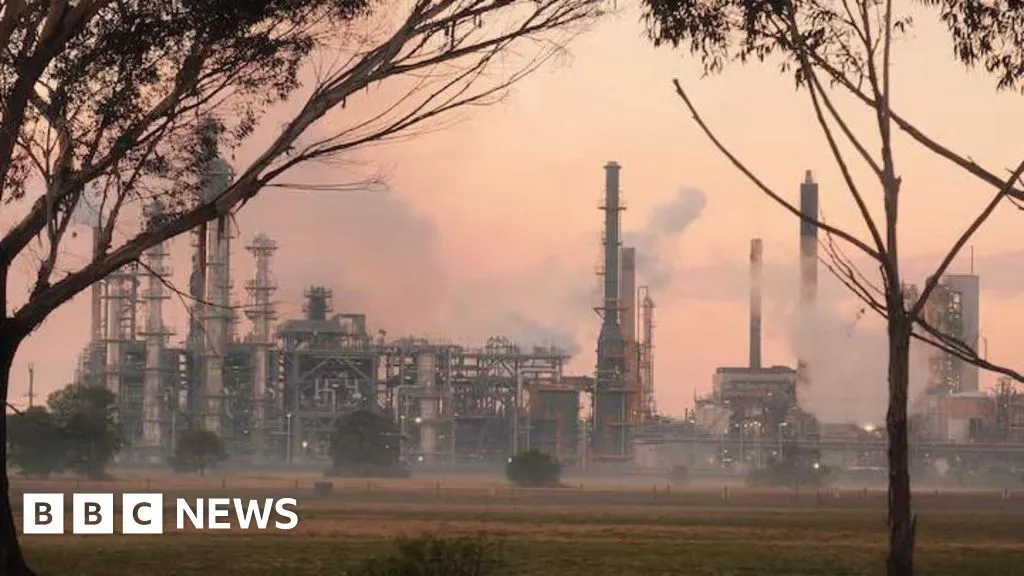
On April 16, 2026, significant developments unfolded at two major oil refineries — one in Geelong, Australia, and another in Tuapse, Russia. These incidents have implications that ripple far beyond their immediate locales.
In Geelong, a fire broke out at Viva Energy’s Corio facility. The blaze raged for 13 hours before it was finally extinguished. Thankfully, the fire was contained to the Mogas section of the refinery, which is responsible for producing motor gasoline. This facility processes around 120,000 barrels of oil each day and supplies about half of Victoria’s fuel needs.
But what does this mean for petrol supplies? As Professor Ian Rae noted, “the fact that production of jet fuel and diesel is continuing suggests that the fire is in the section where hydrocarbons are modified to provide higher octane ratings.” This indicates a targeted impact on gasoline production — a crucial factor for consumers.
That context matters because Australia has seen a significant reduction in domestic refining capacity over recent decades. Consequently, its dependence on imported refined fuels has increased dramatically. Coupled with the cancellation of six oil tankers scheduled for April delivery to Australia, this fire represents a critical stress test for the nation’s energy resilience.
Meanwhile, across the globe in Tuapse, Russian drones struck the Tuapse Oil Refinery during an overnight attack on the same day. This facility is one of the largest in Russia, with an annual processing capacity of about 12 million tons of petroleum products. The attack reportedly intensified a fire that spread to neighboring reservoirs.
This incident is particularly alarming given that the Tuapse Oil Refinery plays a key role in supplying fuel to the Russian military. The consequences are grave; four casualties were reported from this strike, including two children. Such losses underscore the tragic human cost involved.
Details remain unconfirmed regarding both incidents. The full impact of the Geelong fire on petrol supplies is still unknown, and investigations into its cause are ongoing.
Chris Bowen remarked on these developments: “This is not a positive development… there’s a long way to go in terms of working out just what the impact is.” This sentiment resonates as both countries grapple with their energy futures amidst these challenges.
Ultimately, these events at oil refineries are more than just localized incidents; they highlight broader structural issues within energy supply chains and national security considerations. The interconnectedness of global fuel markets means that disruptions in one region can have far-reaching effects elsewhere.