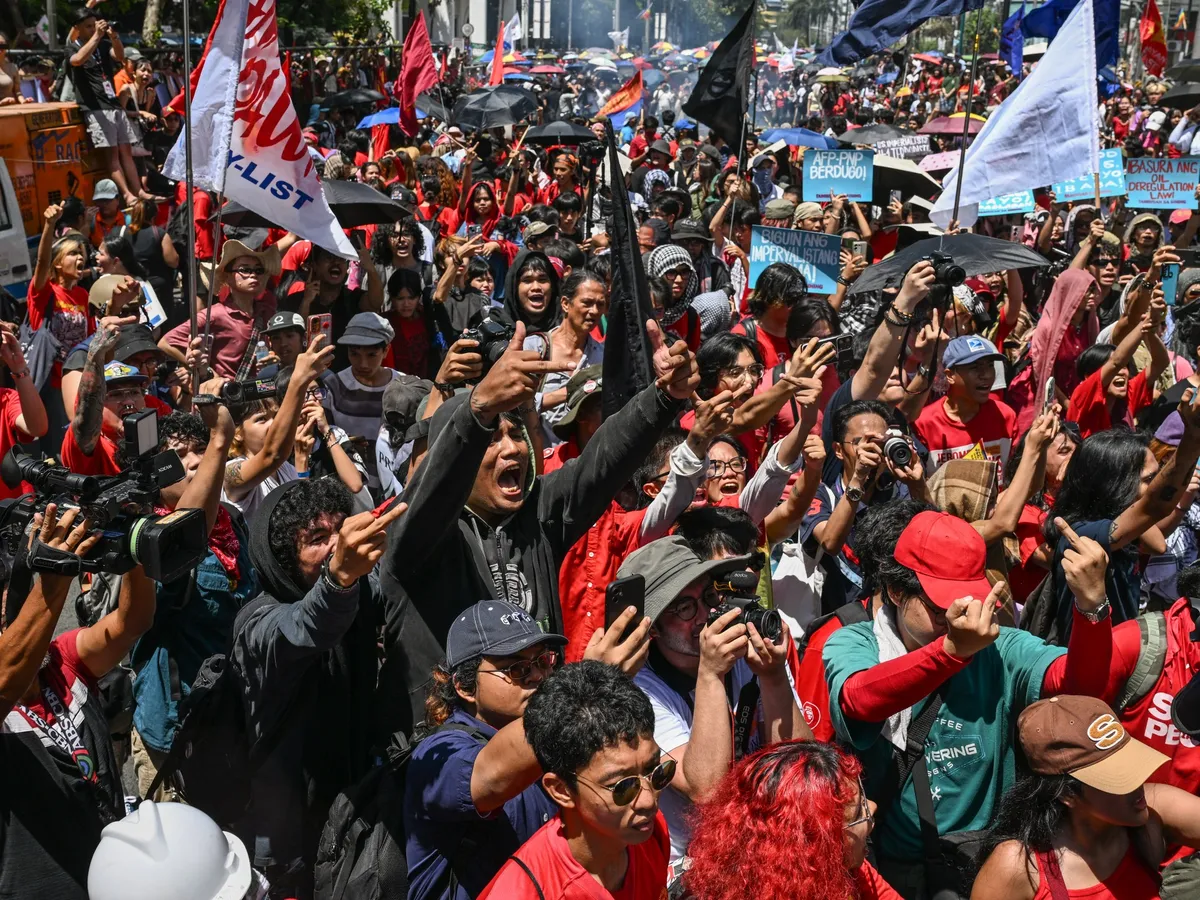
On May 1, 2026, Labour Day rallies took place worldwide, with fervent protests against rising energy prices and urgent calls for solidarity among workers. From Iran to the United States, trade unions mobilized thousands to voice their concerns about the ongoing economic crisis.
This year’s events were particularly significant due to the alarming increase in energy costs, which have squeezed household budgets across many nations. In Gaza, for example, over 550,000 workers faced unemployment and canceled their May Day events due to the dire economic situation exacerbated by ongoing conflict. Meanwhile, Argentina’s workers protested President Javier Milei’s overhaul of labor protections.
That context matters because it highlights a growing discontent among workers globally. The European Trade Union Confederation (ETUC) noted that 93 trade union organizations participated in these demonstrations, uniting under a common banner of workers’ rights amid geopolitical tensions. As Josua Mata from the Philippines stated, “Every Filipino worker now is aware that the situation here is deeply connected to the global crisis.”
Historically, International Workers’ Day has its roots in the labor movement of the late 19th century. The Second International proclaimed May 1 as International Workers’ Day back in 1889, a response to the Haymarket Affair—a pivotal moment that galvanized labor rights across nations. Today, it serves as a reminder of the ongoing struggles workers face.
The call for higher wages and economic relief echoes loudly this year. Renato Reyes emphasized that there will be “a louder call for higher wages and economic relief because of the unprecedented spikes in fuel prices.” This sentiment resonates not just in speeches but also reflects a broader demand for collective bargaining power.
As we observe these rallies unfold, it’s essential to reflect on what they signify: a united front against rising costs and an urgent plea for better working conditions. The European Trade Union Confederation encapsulated this sentiment well when they stated, “Working people refuse to pay the price for Donald Trump’s war in the Middle East.” Such statements underscore how interconnected local issues are with global ones.
The next significant gathering will likely be at the Durham Miners’ Gala, celebrating workers’ struggles in North East England—a testament to enduring solidarity within labor movements everywhere.