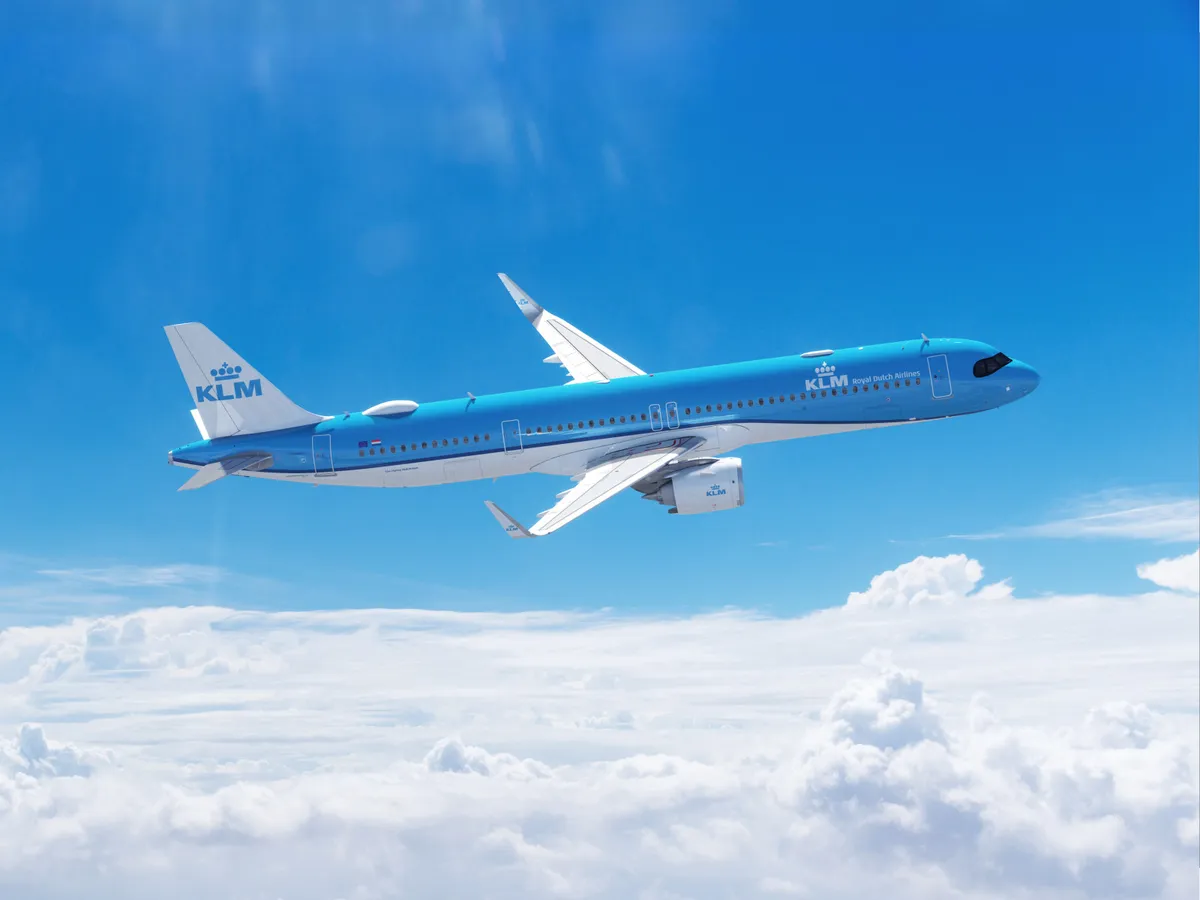
Air France-KLM has announced a significant cut in its capacity growth forecast for 2026, reducing it from 3-5% to just 2-4%. This decision comes as the airline grapples with a projected $2.4 billion increase in fuel costs, largely attributed to ongoing geopolitical tensions.
This adjustment reflects the harsh realities of the airline industry, where external factors can drastically impact financial forecasts. The Iran war has been a key driver behind the rising fuel prices, pushing Brent crude prices to a four-year high of $126 per barrel. Such fluctuations not only affect operational costs but also challenge airlines’ ability to maintain profitability.
As part of their financial strategy, Air France-KLM anticipates its total fuel bill for 2026 will reach approximately $9.3 billion, marking a substantial increase from previous years. In the first quarter of 2026, the airline reported an operating loss of €27 million, significantly better than the €389 million loss analysts had projected.
Key statements from executives:
- Ben Smith, CEO of Air France-KLM, described the operating environment as “uncertain.”
- Marjan Rintel, KLM’s CEO, emphasized that they expect increasing pressure on results due to ongoing geopolitical uncertainty and sharply increased fuel prices.
- Bas Brouns noted that KLM cannot fully pass on high fuel prices to customers, which complicates cost control measures.
KLM’s Back on Track improvement program has yielded some savings—€159 million in the first quarter alone. Yet this is not enough to offset the mounting pressures from soaring fuel costs and geopolitical instability.
The airline industry faces an uphill battle as it navigates these challenges. With fluctuating fuel prices and uncertain geopolitical landscapes, airlines must find innovative ways to manage costs while remaining competitive.