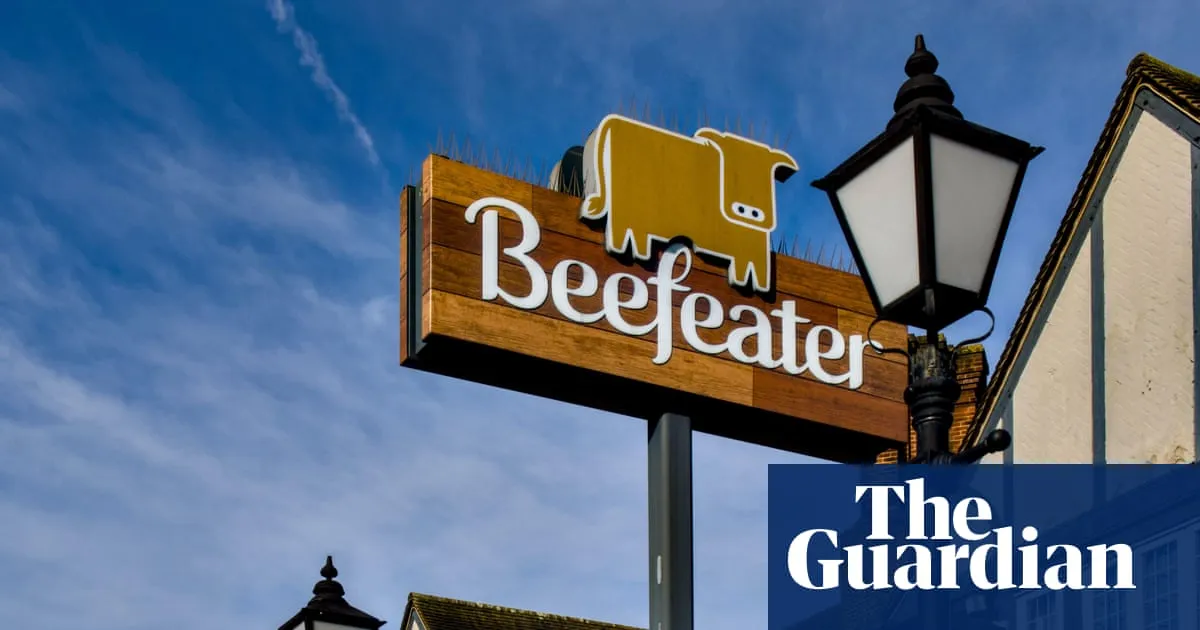
Whitbread’s recent announcement to close its remaining Beefeater and Brewers Fayre restaurants signifies a major transition for the company, which is now focusing on becoming a pure hotel business. This decision, revealed on April 30, 2026, will result in approximately 3,800 job cuts across the UK and Ireland.
This move affects about 12% of Whitbread’s workforce, which totals around 30,000 employees. The company plans to convert all 197 of its remaining branded restaurants into food and drink services tailored for hotel guests. Whitbread’s restructuring follows a flat revenue report for the year ending February 26, which shows no growth compared to the previous year.
That context matters because it reflects broader trends in the hospitality sector. With rising costs linked to recent fiscal changes in the UK, Whitbread’s strategy aims to maximize value creation over the long term. The company intends to sell and lease back £1.5 billion worth of freehold properties while cutting net capital expenditure by over £1 billion in the next five years.
The Beefeater brand has been part of Whitbread since its establishment in 1974, making this closure particularly notable. The decision follows a rigorous review process initiated last November as part of their five-year plan. Many industry observers wonder how this shift will impact the overall landscape of casual dining in the UK.
Colenzo Jarrett-Thorpe from Unite union expressed concern over how employees learned about these job cuts through media channels rather than directly from management. He stated, “It is disgraceful that Whitbread employees heard about the job cuts through the media.” This sentiment highlights a growing tension between corporate strategies and employee welfare.
Dominic Paul, CEO of Whitbread, emphasized that they are committed to improving their offerings: “We plan to convert all our remaining branded restaurants to an integrated food and beverage offer that is preferred by our hotel guests and will unlock the addition of more highly profitable extension rooms.” This suggests that while restaurant closures may be painful in the short term, there is a vision for a more integrated hospitality experience moving forward.
The implications of these closures extend beyond just job losses; they signal a significant shift within Whitbread as it pivots towards enhancing its Premier Inn brand—currently boasting over 800 hotels across the UK. As competition intensifies within the hospitality sector, companies like Whitbread must navigate these challenges carefully while ensuring profitability.
As Whitbread implements these changes, industry stakeholders will be watching closely. The Unite union is seeking consultations regarding redundancies, indicating potential negotiations ahead. Meanwhile, with shares falling by 20% over the past six months, investors are keenly aware of how this new direction will affect financial performance.