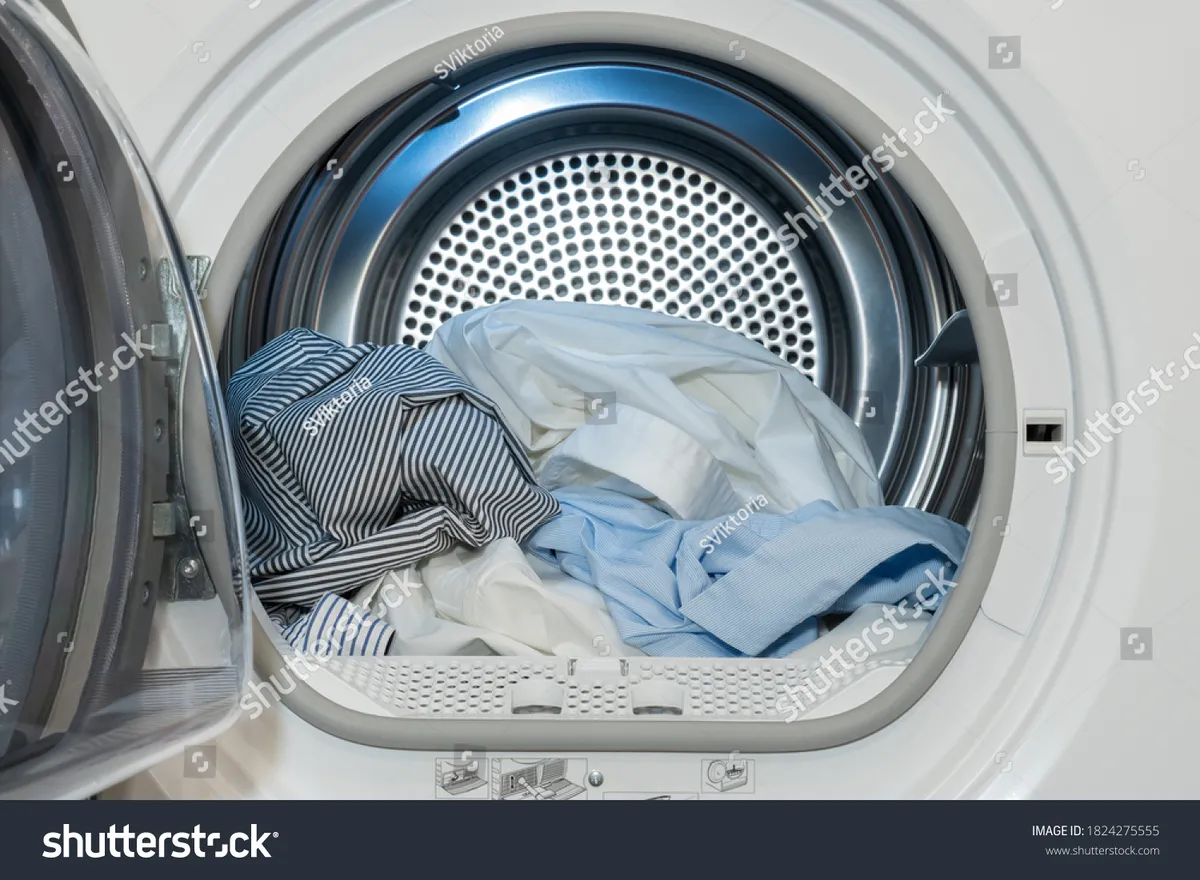
“Urgent safety check for 85,000 tumble dryers,” warned the Oxfordshire Fire and Rescue Service. This alarming notice comes amidst a surge in demand for traditional tumble dryers as UK households scramble to buy them before new energy efficiency regulations take effect.
The UK government plans to phase out the sale of less efficient tumble dryers, which will only allow models with an Energy Efficiency Index (EEI) of less than 85 on the market after the regulations are implemented. Retailers have reported a spike in demand, as consumers rush to secure these appliances before they become unavailable.
That context matters because only a few options will remain for consumers seeking traditional drying methods. The urgency is palpable; many fear missing out on these appliances that have long been staples in homes across the country.
Yet, it’s not just about availability. On top of this regulatory shift, the Oxfordshire Fire and Rescue Service has issued warnings regarding specific Haier-manufactured tumble dryers. These units are currently under urgent safety checks due to a significant fire risk affecting 85,000 units.
Residents have been advised to stop using these affected Haier tumble dryers immediately and unplug them if possible. The implications of these warnings extend beyond mere inconvenience; they highlight ongoing concerns about tumble dryer safety and consumer product safety.
Consumers might wonder if there’s a more efficient alternative. Switching to heat pump dryers can save households approximately £250 over a standard 12-year lifespan compared to traditional models. This makes them a more attractive option in light of rising energy costs.
As of April 2026, an average condenser dryer will cost roughly £129.56 annually to operate under the energy price cap. With these figures in mind, many consumers face a dilemma: act quickly to purchase existing models or invest in more energy-efficient alternatives.
The policy does not prohibit the use of existing tumble dryers; it only restricts the sale of new inefficient models. This means that while some may choose to upgrade now, others might hold onto their older machines for as long as possible.
In this rapidly changing landscape of energy efficiency regulations, consumers must weigh their options carefully. The next steps for affected users remain uncertain, but immediate action is required for those with potentially hazardous appliances.