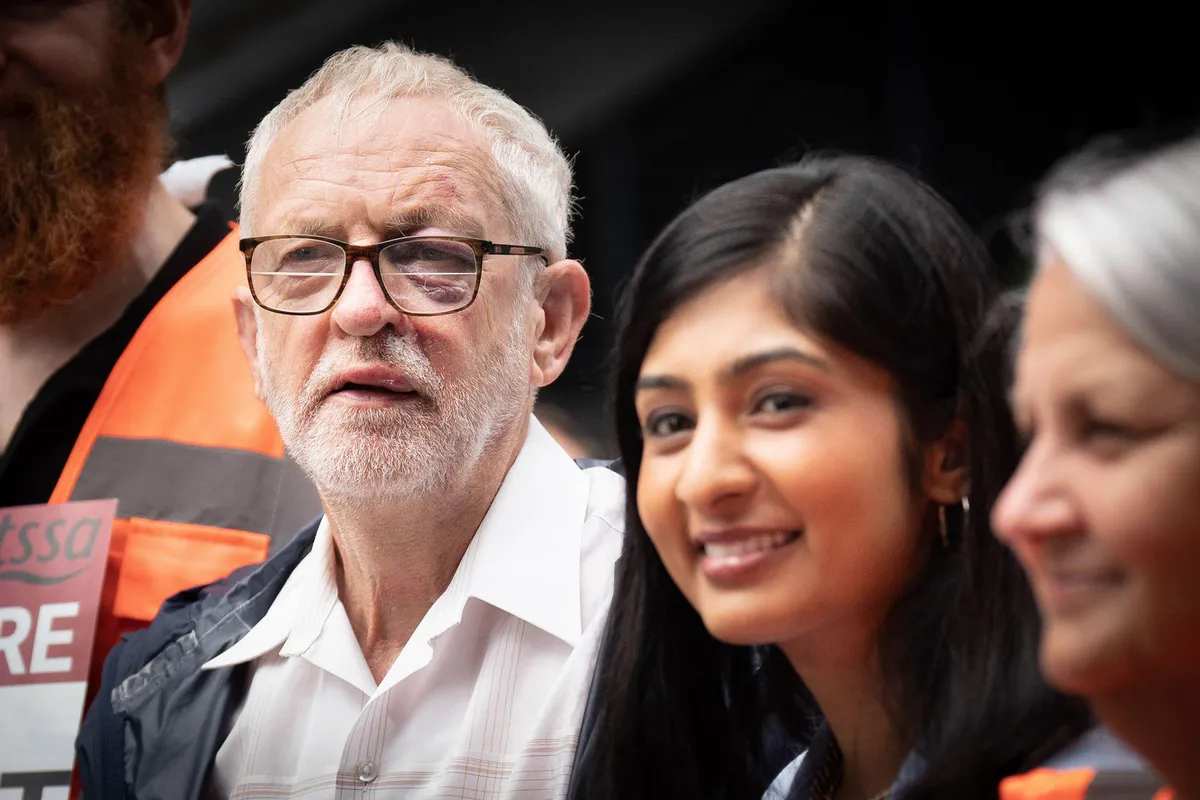
On April 20, 2026, Zarah Sultana faced suspension from the House of Commons for five days after a heated exchange regarding her comments about Labour leader Keir Starmer. The incident unfolded when Sultana refused to withdraw her statement labeling Starmer a “bare-faced liar,” prompting Speaker Lindsay Hoyle to intervene and ask her to leave the chamber.
This suspension is significant—not just for Sultana, but for the broader political environment in the UK. Under Parliamentary protocol, MPs are prohibited from accusing fellow members of lying without formally retracting such statements. Yet, Sultana stood her ground, asserting she had a duty to tell the truth, even as she attempted to interject during Hoyle’s directive.
But what does this mean in the context of current political dynamics? The friction between Sultana and Starmer reflects deeper ideological rifts within the Labour Party itself. Tensions have been mounting as different factions within the party grapple with their identities and strategies moving forward. This event marks a continuation of that struggle.
Adding another layer to this controversy, Lee Anderson—a fellow MP—was also removed from the House for similar remarks directed at the Prime Minister. He stated, “That man couldn’t lie straight in bed,” which underscores a growing trend among MPs feeling emboldened to speak out against perceived dishonesty in government. This atmosphere can be likened to a pressure cooker; it’s only a matter of time before something gives.
Moreover, Sultana’s suspension means she will not receive pay during this period—a significant consequence that highlights how parliamentary discipline can directly impact an MP’s livelihood. The last MPs to face such disciplinary action were Alba Party members Neale Hanvey and Kenny MacAskill back in July 2022, suggesting that these suspensions are not frequent but rather indicative of serious breaches of conduct.
Reactions are already pouring in from various corners. While some support Sultana’s stance on honesty and accountability in politics, others argue that her actions were inappropriate and undermined parliamentary decorum. Official statements have yet to emerge from Labour leadership regarding how they plan to address this internal conflict.
This incident raises questions about accountability and transparency within political discourse. As citizens look toward their representatives for truthfulness, how far should they go in confronting lies? In an era where misinformation can spread rapidly, perhaps we need more MPs like Sultana who are willing to challenge narratives—even if it comes at a personal cost.
Details remain unconfirmed regarding any further repercussions or discussions within Labour about handling dissent among its ranks. As this story develops, it will be crucial to watch how both sides react and whether this event reshapes future interactions within Parliament.