Who is involved
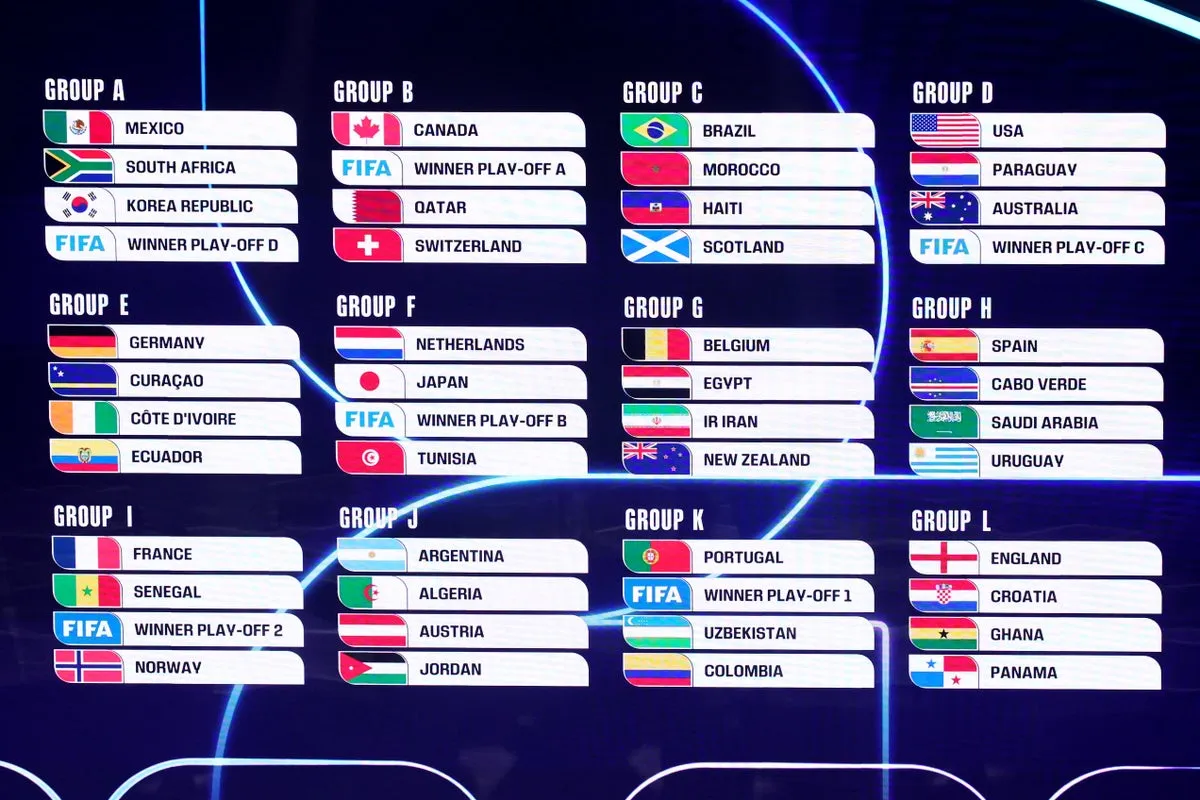
The anticipation for the 2026 FIFA World Cup is building as it approaches, with expectations set high for a tournament that will be unlike any other. Historically, the World Cup has featured 32 teams, but this upcoming event will see an unprecedented 48 teams competing. This expansion is a significant shift in the tournament’s format, aiming to include more nations and provide a broader representation of global football talent.
Before this announcement, fans and analysts were accustomed to the traditional setup of 32 teams, which had been in place since the 1998 World Cup in France. The expectation was that the tournament would continue in this format, with the same number of matches and groups. However, the decisive moment came when FIFA confirmed the new structure, which will not only increase the number of teams but also the total number of matches played, rising from 64 to 104.
The immediate effects of this change are profound. The tournament will be held across three countries—Mexico, Canada, and the USA—marking the first time the World Cup will be hosted by three nations simultaneously. This collaborative effort will see the USA hosting 78 matches, while Mexico and Canada will each host 13 matches. The opening match is set to feature Mexico against South Africa at the iconic Estadio Azteca in Mexico City, a venue steeped in World Cup history.
As the tournament unfolds, the structure will include 12 groups of four teams each, with the top two teams from each group advancing to the knockout stage, alongside the eight best third-placed teams. This format not only enhances the competitive nature of the tournament but also increases the excitement for fans, who will witness more matches and a greater variety of teams.
Expert voices in the football community have weighed in on this shift, emphasizing its potential to elevate the global reach of the sport. The inclusion of more teams means that countries with less historical success in the World Cup, such as Ghana and Panama, will have the opportunity to showcase their talents on the world stage. This could lead to unexpected outcomes and thrilling matches, further engaging fans worldwide.
Furthermore, the final match of the tournament is scheduled to take place at MetLife Stadium in New Jersey, a fitting venue for such a monumental event. With 16 stadiums across the three host nations, the logistics of the tournament will be a significant undertaking, but it promises to deliver a memorable experience for players and fans alike.
As we look forward to the tournament, the excitement continues to build. The 2026 World Cup fixtures will not only redefine how the tournament is structured but also how it is experienced by millions around the globe. With the first match kicking off on June 11, 2026, the world will be watching closely as teams vie for the ultimate prize in football.
Details remain unconfirmed regarding the specific match timings and ticketing information, but the groundwork is being laid for what promises to be a historic World Cup.