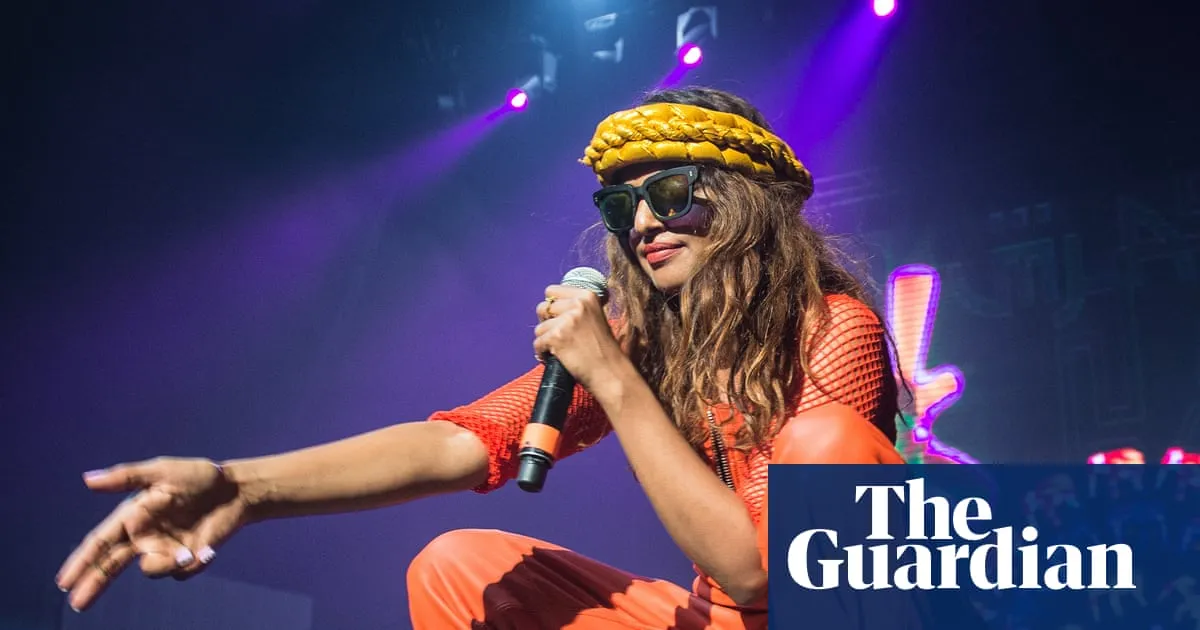
On May 4, Kid Cudi announced he had fired M.I.A. from his Rebel Ragers Tour following her controversial remarks during a performance in Dallas. This incident underscores the rising tensions between artists and their audiences regarding political statements.
M.I.A. faced backlash after stating she was being canceled for being a “brown Republican voter” during her May 2 performance at the Dos Equis Pavilion in Dallas. The audience responded with boos, illustrating how divisive her comments were.
Cudi expressed disappointment over M.I.A.’s remarks, revealing that he had received numerous messages from fans upset by her comments. He stated, “I told my management to send a notice to her team before we started tour that I didn’t want anything offensive at my shows.” This proactive approach aimed to maintain a positive environment for his audience.
That context matters because it highlights how artists navigate their platforms in an increasingly polarized society. M.I.A., known for her provocative political views, has a history of controversial statements that often stir debate. Her dismissal from the tour raises questions about artistic freedom versus audience expectations.
In response to Cudi’s announcement, M.I.A. defended her statements on social media, asserting, “I have no apology for the judgmental the wicked and the ignorant, for those are spirits that we must overcome in our lives and in this world.” This response reflects her commitment to her beliefs, regardless of the consequences.
The Rebel Ragers Tour began on April 28 and includes 30 North American cities, featuring artists like Big Boi and A-Trak alongside Cudi and M.I.A. The tour aims to connect with fans through music while navigating complex social dynamics.
As observers reflect on this incident, they anticipate further discussions about the boundaries of artistic expression and its impact on fan engagement—especially as more artists take stands on political issues.