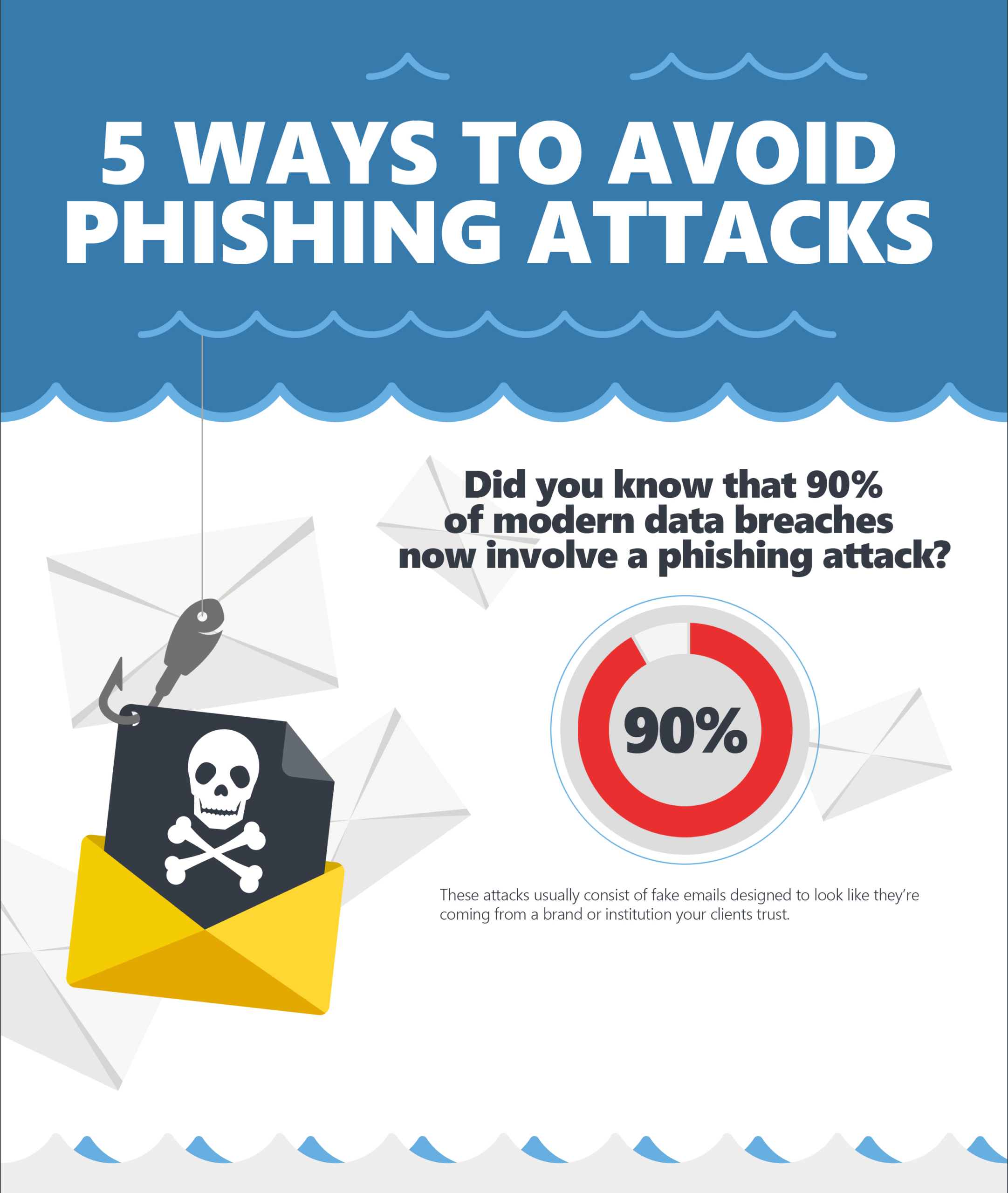
Introduction to Phishing
Phishing has emerged as one of the most prevalent cyber threats in today’s digital landscape, targeting individuals and organisations alike. Understanding phishing is critical, as it can lead to severe consequences such as identity theft, financial loss, and reputational damage. This article delves into the essence of phishing, its various forms, and the steps one can take to safeguard against this malicious activity.
What is Phishing?
Phishing is a type of cyber-attack where cybercriminals masquerade as trustworthy entities to deceive individuals into divulging sensitive information. This can include credentials, financial data, or personally identifiable information. Typically, phishing attacks are carried out through emails, messages, or websites that appear legitimate but are actually designed to exploit users’ trust.
Types of Phishing
Phishing manifests in several forms, each employing different tactics to trick victims:
- Email Phishing: This is the most common form, where attackers send fraudulent emails mimicking reputable organisations.
- Spear Phishing: Unlike broad email phishing, spear phishing targets specific individuals or organisations, often using personal information to appear more credible.
- Whaling: A more sophisticated version of spear phishing aimed at senior executives or high-profile targets.
- Smishing: Phishing carried out through SMS text messages.
- Vishing: Voice phishing, where attackers use phone calls to obtain sensitive information.
Current Trends and Statistics
Recent reports indicate that phishing attacks have increased dramatically, especially in the wake of the COVID-19 pandemic, as more individuals transitioned to online platforms. According to the 2022 Verisign Report, phishing attacks surged by over 20% compared to previous years, showcasing the growing sophistication of cybercriminals. The rise in remote working has also created new opportunities for attackers to exploit vulnerable networks.
Protecting Yourself Against Phishing
While phishing can pose significant risks, there are several proactive steps that individuals and businesses can take to protect themselves:
- Verify the Source: Always double-check the sender’s email address and look for tell-tale signs of phishing.
- Use Two-Factor Authentication: Implementing two-step verification can add an extra layer of security.
- Educate Yourself: Familiarise yourself with the different types of phishing and how to recognise them.
- Install Security Software: Employing comprehensive security solutions can help detect and mitigate threats.
Conclusion
Understanding phishing is essential in today’s interconnected world. As cyber threats continue to evolve, remaining vigilant and informed is critical to protecting personal and professional information. By implementing best practices and fostering a culture of security awareness, individuals and organisations can considerably reduce their risk of falling victim to phishing attacks.