The Vietnam War: A Historical Perspective
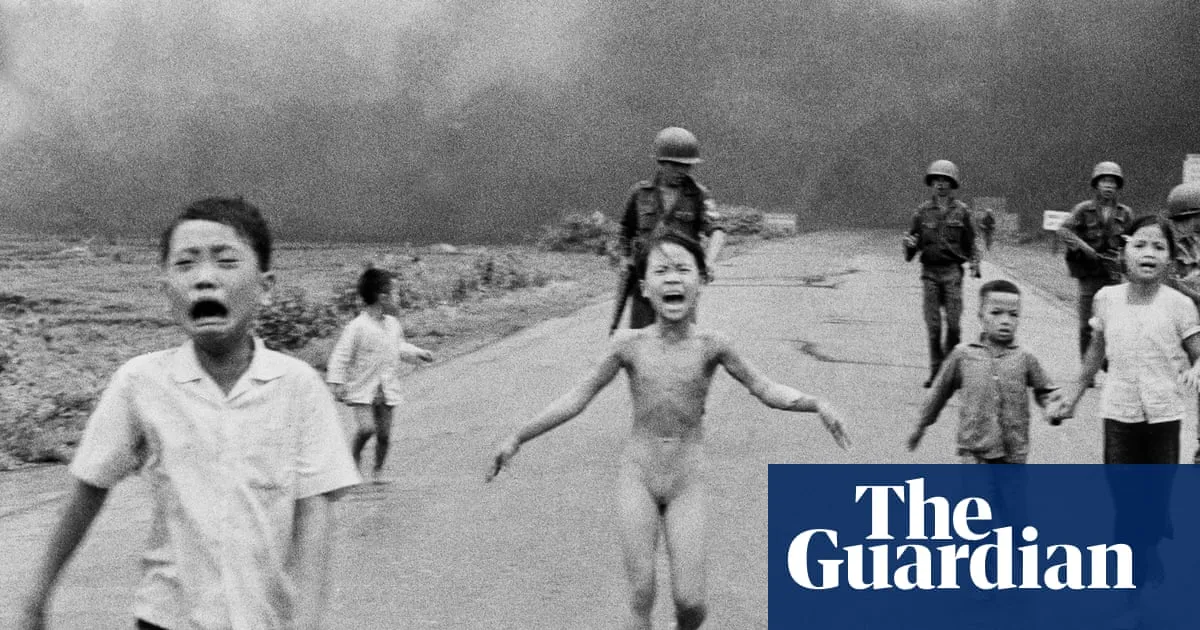
The Vietnam War was characterized by significant public opposition and moral questioning of U.S. military actions. As the conflict escalated, the American public grew increasingly disillusioned with the war’s objectives and the human cost associated with it. The U.S. military initially aimed to win the hearts and minds of the Vietnamese people, but this objective was abandoned as the war progressed. The shift in strategy led to a reliance on a controversial ‘body count’ approach to measure success, which ultimately distorted the realities of the conflict.
One of the pivotal moments that highlighted the brutality of the Vietnam War was the My Lai Massacre, which occurred on March 16, 1968. During this tragic event, American soldiers killed approximately 500 innocent civilians, an act that sparked outrage both domestically and internationally. The massacre underscored the moral dilemmas faced by U.S. troops and the broader implications of the war on American society.
In February 1968, prominent news anchor Walter Cronkite famously declared that the U.S. was ‘mired in stalemate’ in Vietnam, a statement that resonated deeply with the American public. This sentiment was further amplified by the graphic imagery captured by Associated Press photographer Eddie Adams, including the infamous photograph known as ‘Saigon Execution.’ Taken in the same year, the image depicted the execution of a Viet Cong prisoner and was broadcast to an audience of 20 million viewers, leaving a lasting impact on public perception of the war.
As the war continued, incidents like the Kent State shootings on May 4, 1970, further fueled anti-war sentiment. The tragic deaths of four students during a protest against the Vietnam War highlighted the deep divisions within American society. These events were often framed within a broader narrative of dissent, with activists drawing parallels between the anti-Vietnam War movement and contemporary political issues.
In the years following the war, the legacy of the Vietnam War continued to influence American politics and culture. The public disapproval of the war’s cost in lives lost and taxpayer money spent ultimately contributed to its conclusion. The anti-war movement, which included voices like Country Joe McDonald, who passed away at the age of 84, played a significant role in shaping the discourse around U.S. military interventions.
Key figures, such as Lt. Gen. Robert Gard Jr., have critiqued the military’s reliance on body count as a measure of success, stating, “If body count is your measure of success, then there’s a tendency to count every body as an enemy soldier.” This perspective reflects the ongoing debate about the ethics and effectiveness of military strategies employed during the Vietnam War.
As observers reflect on the Vietnam War, they note the eerie parallels between past and present political narratives. Activists like Roseann ‘Chic’ Canfora have drawn connections between the branding of anti-war movements in the 1960s and contemporary political dissent, suggesting that similar tactics are employed to delegitimize opposition. The complexities of these historical events continue to resonate in discussions about military engagement and civil rights in the United States.
Details remain unconfirmed regarding the lasting impact of the Vietnam War on current military and political strategies. However, the lessons learned from this conflict remain relevant as the nation grapples with its history and the implications of its foreign policy decisions.