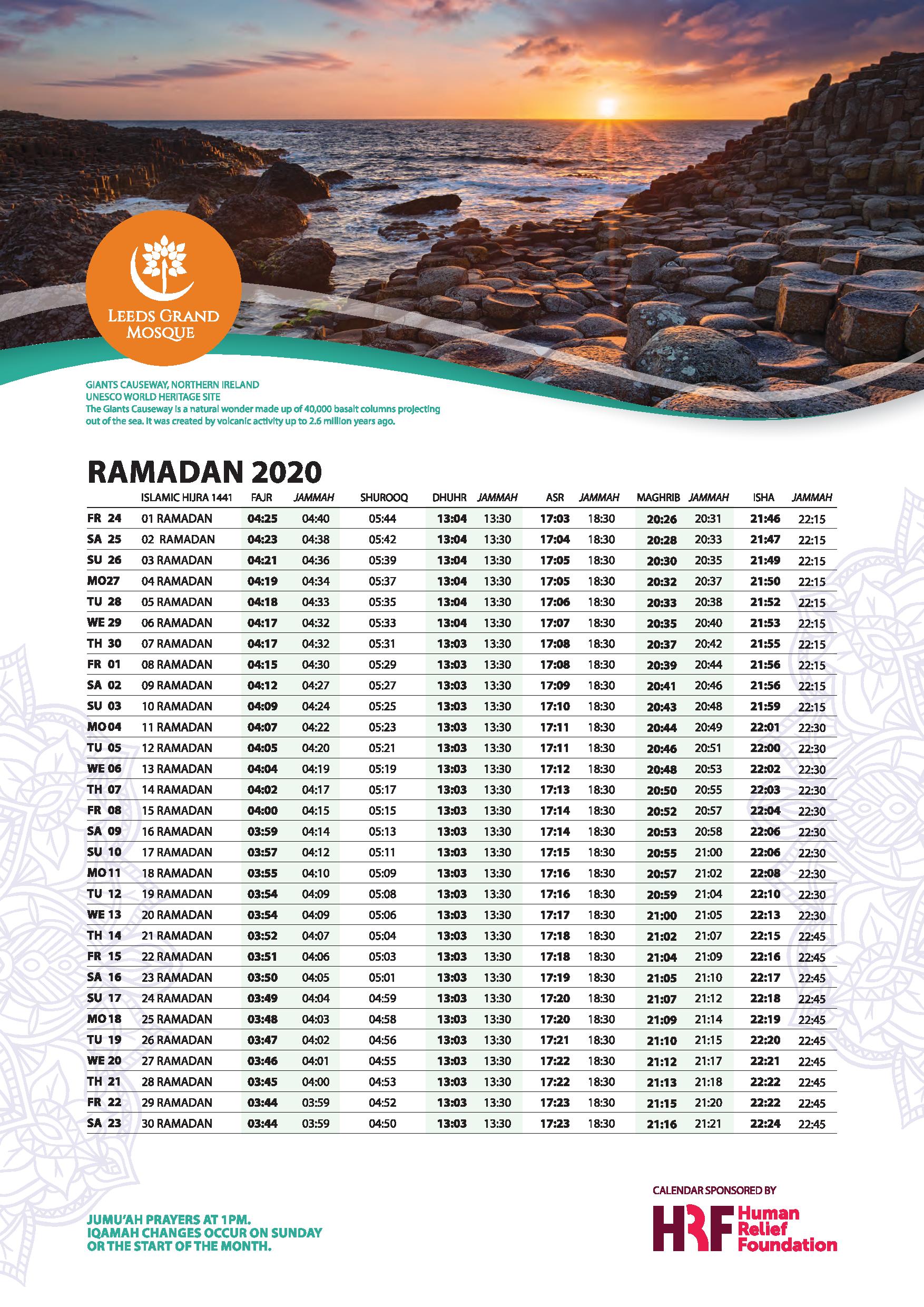
Introduction to Ramadan
Ramadan is the ninth month of the Islamic lunar calendar and is observed by millions of Muslims worldwide as a month of fasting, prayer, reflection, and community. This holy month holds immense importance as it commemorates the first revelation of the Quran to the Prophet Muhammad. The month encourages spiritual growth and a deeper connection with faith, making it vital for the Muslim community.
The Observance of Fasting
The core practice during Ramadan is fasting from dawn until sunset, known as Saum. During this time, Muslims abstain from food and drink, along with other physical needs and distractions. The daily fast begins with a pre-dawn meal called Suhoor and concludes with Iftar, the evening meal shared with family and friends to break the fast. This ritual not only cultivates self-discipline but also enhances empathy for the less fortunate.
Cultural and Community Significance
Ramadan serves as a time for families and communities to come together. Mosques often host Iftar gatherings, allowing people to connect and share meals, regardless of their socio-economic backgrounds. Additionally, many Muslims participate in charitable activities during this time, emphasizing the importance of helping those in need. The act of giving, or Zakat, is particularly encouraged as part of the spiritual practice during Ramadan, fostering a sense of unity and support within the community.
Conclusion: The Lasting Impact of Ramadan
As Ramadan comes to a close, it culminates in the celebration of Eid al-Fitr, marking the end of fasting with communal prayers, feasting, and donations to the less fortunate. The significance of Ramadan extends beyond the month itself, as the lessons learned—self-discipline, empathy, and community—last throughout the year. For many, it is a period of spiritual renewal, with lasting impacts on personal faith and community connection. With the Muslim population continuously growing, understanding Ramadan’s significance and customs is crucial for fostering respect and inclusivity in today’s diverse society.