Introduction
Phishing has emerged as one of the most prevalent cyber threats in today’s digital landscape, increasingly targeting individuals and organisations alike. With the rise of online interactions, cybercriminals have become more sophisticated in their methods, leading to severe data breaches and financial losses. Understanding what phishing is, how it operates, and the measures to protect oneself is crucial for Internet users of all ages.
What is Phishing?
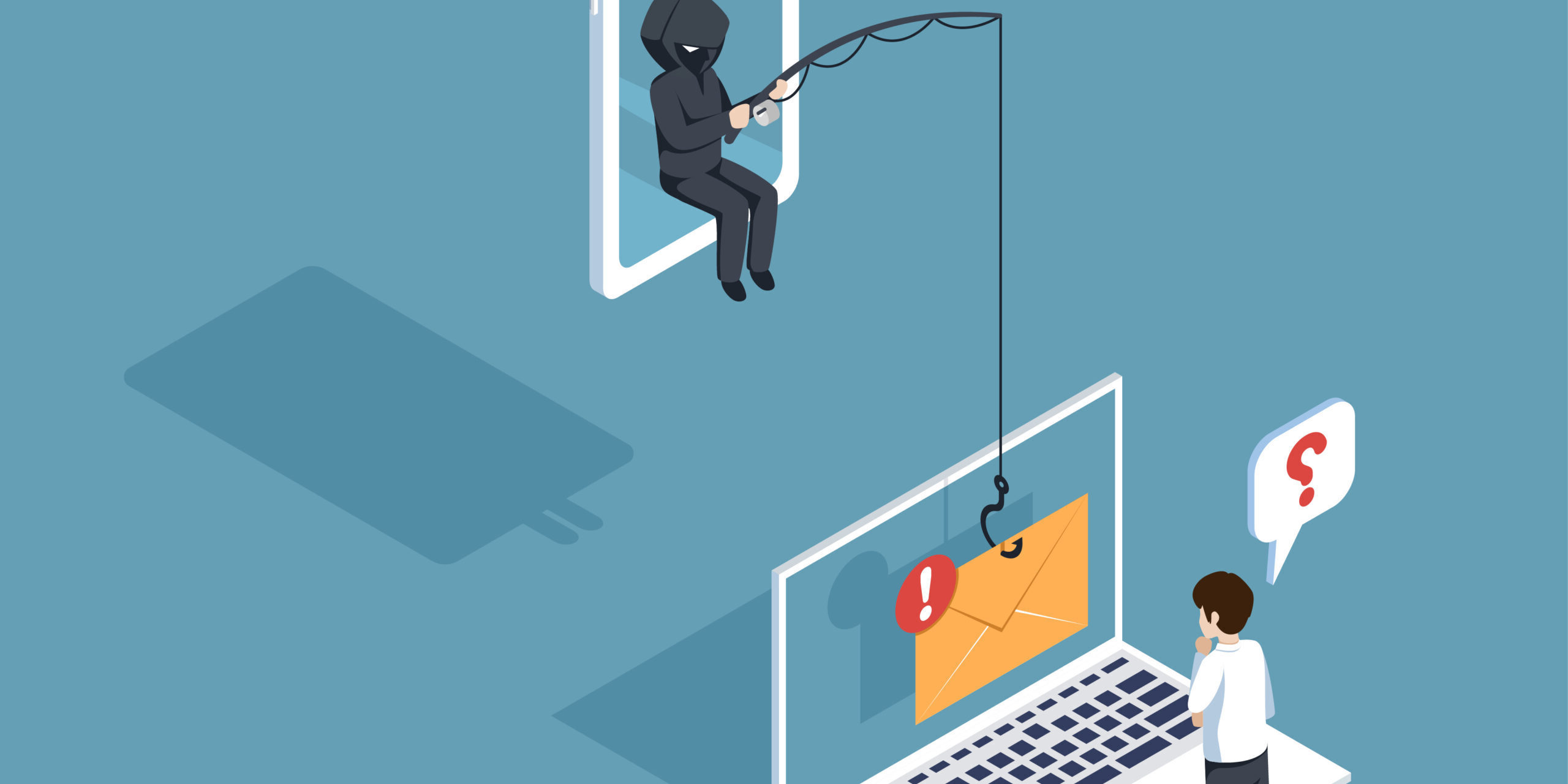
Phishing is a cybercrime whereby attackers impersonate legitimate entities to deceive individuals into divulging sensitive information such as usernames, passwords, credit card details, or other personal data. Typically conducted through email, social media, or instant messaging, phishing schemes often include deceptive links or attachments that lead victims to fake websites designed to look genuine.
Types of Phishing Attacks
1. Email Phishing: This is the most common form, where attackers send fraudulent emails that appear to be from reputable sources. For instance, a user may receive an email that looks like it comes from their bank, urging them to verify their account information.
2. Spear Phishing: Unlike general phishing attempts, spear phishing targets specific individuals or organisations, often using personal information to create a sense of trust.
3. Whaling: A more sophisticated variant, whaling targets high-profile individuals, such as executives or important clients, making them more vulnerable due to their level of access and influence within an organisation.
4. Smishing and Vishing: These types of phishing utilise SMS (Smishing) and voice calls (Vishing) to lure victims into providing sensitive information.
Recent Statistics and Trends
According to the 2023 Verizon Data Breach Investigations Report, phishing remains a leading cause of data breaches, accounting for approximately 36% of all incidents. This has prompted ongoing awareness campaigns from various cybersecurity organisations. The report also highlights the increasing trend of attackers personalising their approach, often leveraging information from social media platforms.
Protecting Yourself Against Phishing
To safeguard against phishing attacks, users should adopt various best practices:
- Be cautious with unsolicited emails and messages.
- Verify the sender’s authenticity before responding.
- Use two-factor authentication whenever possible.
- Regularly update passwords and use a password manager.
- Install and maintain antivirus software to provide an additional layer of security.
Conclusion
Phishing poses a serious threat to individuals and businesses. As cybercriminals continue to refine their techniques, awareness and education about the nature of phishing are essential. By understanding what phishing entails and implementing protective measures, Internet users can significantly mitigate their risk, safeguarding not only their personal information but also their financial well-being. As the digital landscape keeps evolving, prioritising cybersecurity will remain paramount.