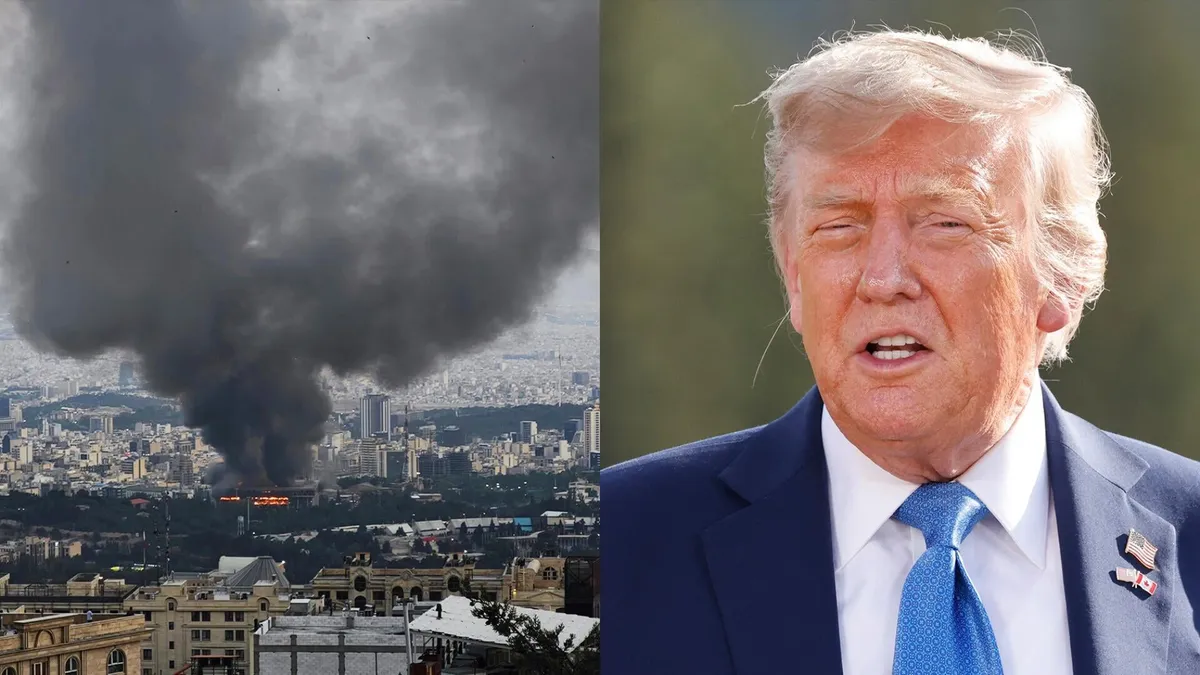
“We could leave right now, and it would take them 15 years to rebuild what they have,” stated former President Donald Trump, emphasizing the extensive damage inflicted by U.S. military operations in Iran. His remarks come amid a backdrop of escalating tensions and military actions in the region.
Trump’s acknowledgment reflects the ongoing U.S. military campaign in Iran, which has intensified in recent weeks. As the conflict continues, Iran has firmly rejected any ceasefire proposals, insisting on a permanent resolution on its own terms.
In a significant escalation, Israel recently struck Iran’s largest petrochemical facility in Asaluyeh, causing substantial economic damage. This attack aligns with Israel’s broader strategy to counter Iranian influence in the region.
Moreover, the Israeli military has taken decisive action against Iranian leadership, killing General Majid Khademi, the head of the Islamic Revolutionary Guards’ intelligence organization, in Tehran. This incident marks a critical moment in the ongoing conflict.
As tensions rise, Trump has issued a stark warning: the U.S. could launch attacks on Iran’s energy and transportation infrastructure if the Strait of Hormuz is not reopened by the impending deadline. This statement underscores the precarious nature of the situation and the potential for further military engagement.
Trump expressed a desire to conclude the ongoing conflict, stating, “I want to finish it up.” His comments suggest a sense of urgency in addressing the situation, although the war shows no sign of easing ahead of the deadline he has set.
The implications of these developments are significant, as they not only affect U.S.-Iran relations but also have broader repercussions for regional stability. The ongoing military actions and diplomatic standoffs highlight the complexities of the situation.
Details remain unconfirmed regarding the full extent of the damage and the potential responses from Iran and its allies. As the situation evolves, observers will be closely monitoring any further statements from both U.S. and Iranian officials.