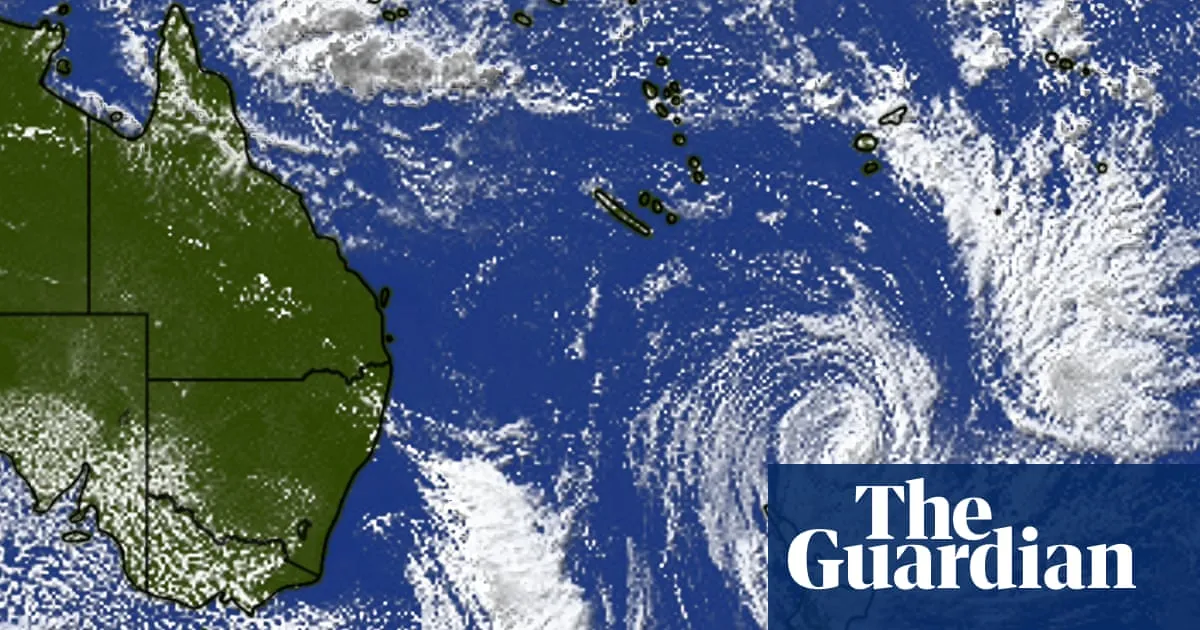
Before the arrival of Tropical Cyclone Vaianu, New Zealanders were bracing for a storm that had already sparked memories of past disasters. The nation had been recovering from the devastating effects of Cyclone Gabrielle, which claimed 11 lives and displaced thousands in 2023. As the forecast for Cyclone Vaianu began to take shape, the expectation was that it would be a significant weather event, but the full extent of its impact was still uncertain.
However, the situation changed dramatically as the cyclone approached. On April 11, 2026, thousands of residents in vulnerable areas, particularly in Whakatāne, were ordered to evacuate their homes. The cyclone was forecast to bring heavy rain and winds reaching up to 130 km/h (80 mph). Emergency declarations were issued across several regions, indicating the seriousness of the impending storm.
As the cyclone neared, the immediate effects were felt across New Zealand. The population of Whakatāne, approximately 37,150, faced the brunt of the storm’s impact. Wind gusts were predicted to exceed 100 km/h in affected areas, and some regions could receive between 100 to 200 mm of rain within short periods. This combination of heavy rainfall and strong winds raised alarms about potential flooding and property damage.
Experts weighed in on the situation, emphasizing the need for preparedness. John Price, a local emergency management official, urged residents to act quickly, stating, “Act now and not later – later may be too late!” He also advised against entering floodwaters, which can be deceptively dangerous. The cyclone’s formation near Fiji and its subsequent strengthening over warm Pacific waters highlighted the volatile nature of tropical cyclones in the region.
Christopher Luxon, another official, echoed the importance of community readiness, saying, “Make sure drains are free, check in on the neighbours, and be prepared for possible power cuts.” Such advice was crucial as communities rallied to support one another in the face of the impending storm. The call for vigilance was underscored by the fact that dangerous ocean swells could reach heights of 6 to 8 meters, further complicating the situation.
The arrival of Cyclone Vaianu not only posed immediate threats but also revived concerns about the long-term implications for New Zealand. The memories of Cyclone Gabrielle loomed large, reminding residents of the potential for loss and disruption. As the cyclone approached, the focus shifted to ensuring safety and minimizing damage, with emergency services on high alert.
As the storm made landfall, the reality of its impact began to unfold. The combination of high winds and heavy rainfall was expected to test the resilience of communities across New Zealand. While the full extent of the damage would take time to assess, the urgency of the situation was clear. Details remain unconfirmed as the cyclone continues its path, but the preparations and responses from local authorities reflect the lessons learned from past experiences.