Before the Strike
Prior to the tragic events of February 28, 2026, the Shajareh Tayyebeh primary school in Minab, Hormozgan Province, Iran, was a place of learning, separated from the nearby Islamic Revolutionary Guards Corps (IRGC) compound by a wall for at least eight years. The school served the local community, providing education to children amidst a backdrop of regional tensions. However, expectations of safety were shattered when a US Tomahawk missile struck the area, leading to devastating consequences.
The Decisive Moment
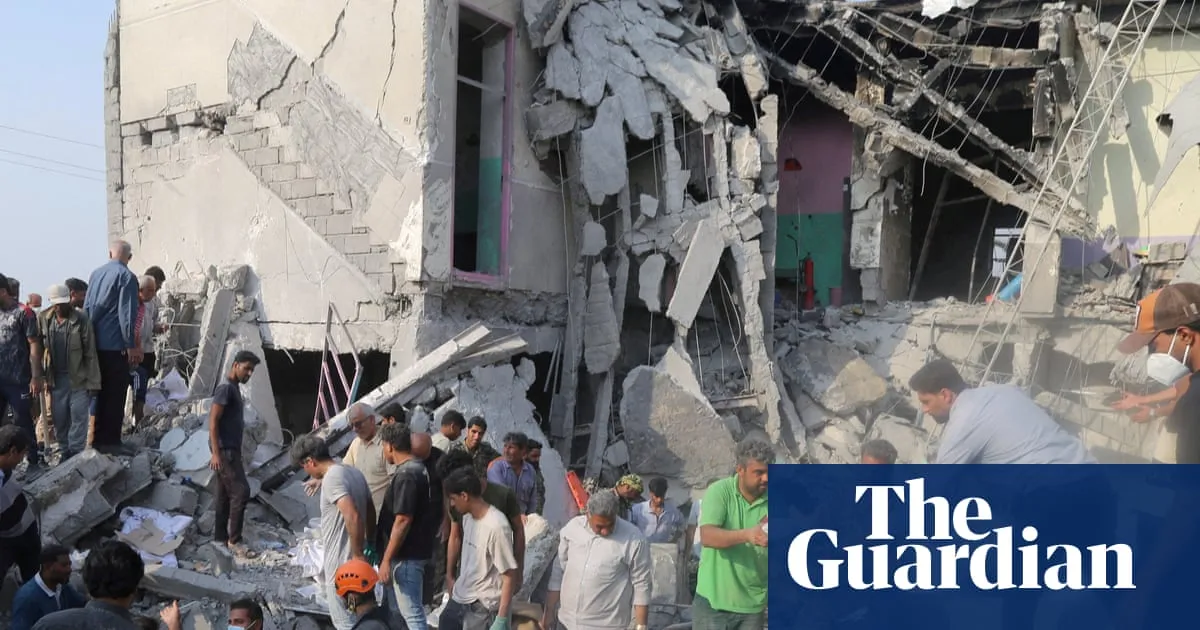
On the morning of February 28, 2026, a Tomahawk missile hit the Iranian naval base adjacent to the Shajareh Tayyebeh primary school. This strike resulted in the deaths of more than 168 people, with the majority being children. Reports indicate that the missile strike occurred during a series of US-Israeli military operations targeting Iran. The impact was catastrophic, demolishing approximately half of the school building and leaving a scene of destruction.
Immediate Aftermath
In the wake of the strike, satellite imagery revealed extensive damage to both the school and the naval base. Videos emerged showing workers digging through the rubble, desperately searching for survivors. Iranian authorities reported at least 165 fatalities, while the US military stated they were investigating the incident. The grim reality of the situation was further underscored by the sight of 77 graves dug at Minab Cemetery, with an additional 23 graves in the process of being prepared.
International Reactions
The strike drew immediate condemnation from various international organizations. UNESCO described the bombing as a grave violation of international law, emphasizing the protection of educational institutions during armed conflicts. UN experts labeled the attack an assault on children, education, and the future of the community, highlighting the broader implications of such military actions on civilian populations.
Expert Perspectives
Experts in military munitions confirmed that the missile used in the strike was indeed a Tomahawk. N.R. Jenzen-Jones noted that video evidence clearly showed the missile striking its target. Meanwhile, political figures weighed in on the incident, with former President Donald Trump suggesting that the attack was a result of Iranian actions, stating, “In my opinion, based on what I’ve seen, that was done by Iran.” Pete Hegseth echoed this sentiment, asserting, “The only side that targets civilians is Iran.” Such statements reflect the complex geopolitical narratives surrounding the incident.
Contextualizing the Tragedy
The Shajareh Tayyebeh primary school, once part of a larger IRGC complex, had been walled off for years, creating a false sense of security for its students and staff. The strike not only resulted in immediate loss of life but also raised questions about the legality and morality of military operations in populated areas. The tragedy has sparked a renewed debate on the responsibilities of nations engaged in military conflict, particularly concerning the protection of civilians and educational institutions.
Looking Ahead
As investigations continue, the international community is left grappling with the implications of this strike. The loss of life, especially among children, underscores the urgent need for dialogue and measures to prevent such incidents in the future. Details remain unconfirmed regarding the full extent of the strike’s impact, but the tragedy at Shajareh Tayyebeh primary school will likely resonate for years to come, serving as a somber reminder of the costs of conflict.