Introduction
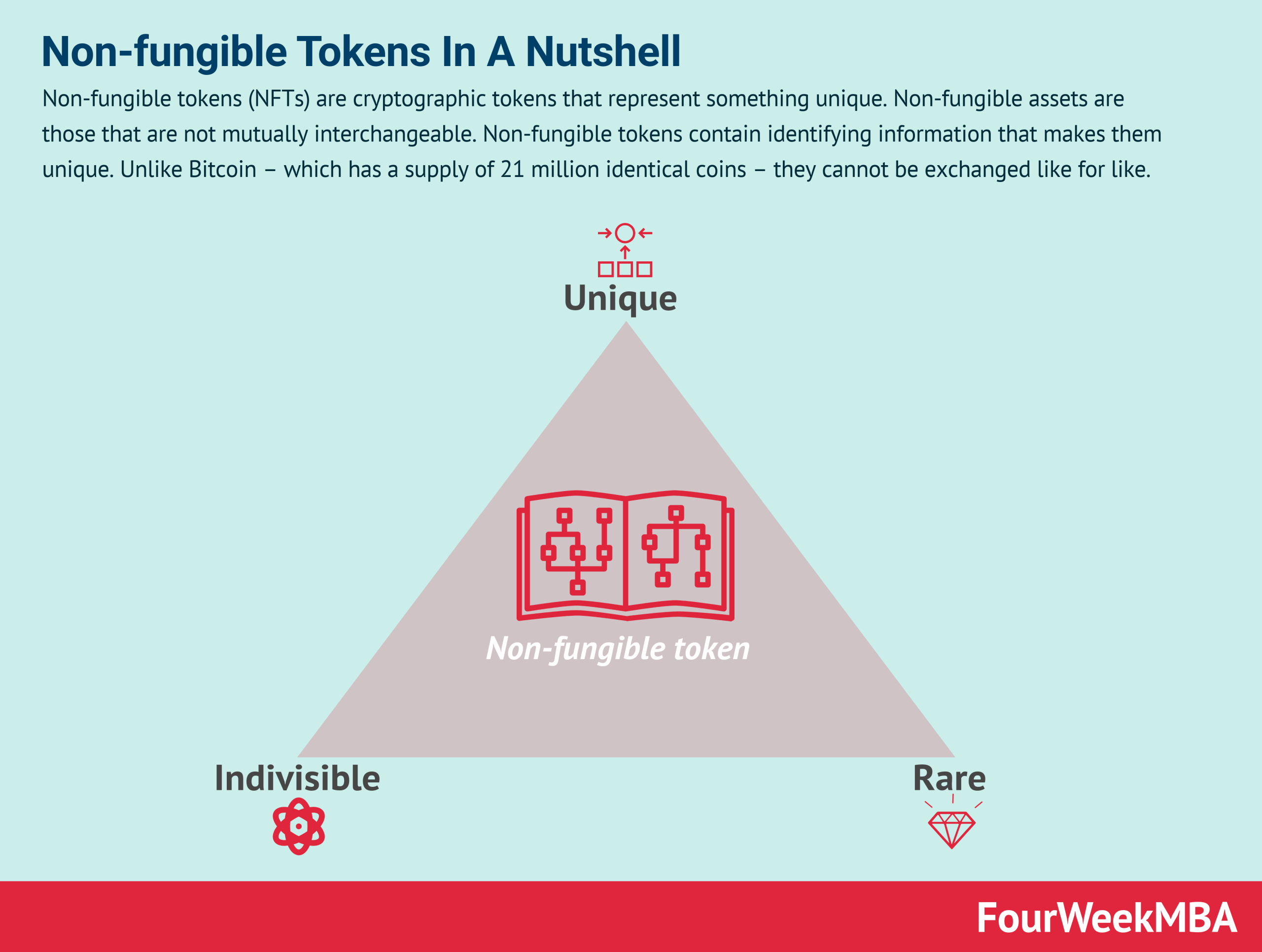
Non-fungible tokens (NFTs) have transformed the landscape of digital ownership and art, becoming a pivotal point of discussion in the realms of technology, art, and finance. As unique digital assets verified using blockchain technology, NFTs represent ownership of various items, from digital artwork to virtual real estate. Their rapid rise in popularity has led to significant implications for artists, collectors, and the broader economy.
The Surge in Popularity
Since their inception, NFTs have gained tremendous traction, with 2021 witnessing a particularly explosive growth. Major auction houses like Christie’s and Sotheby’s began auctioning digital artworks as NFTs, with notable sales such as Beeple’s “Everydays: The First 5000 Days” fetching a staggering $69 million. Events like these have ignited interest among investors and collectors, leading to a market valued at over $40 billion in 2021 alone.
The appeal of NFTs lies in their ability to provide provenance and authenticity. Unlike traditional digital files that can be copied infinitely, NFTs use blockchain technology to establish ownership, making them ideal for creators looking to monetize their work and for buyers seeking exclusive rights.
Challenges and Criticisms
Despite their potential, the NFT market is fraught with challenges. Environmental concerns regarding the energy consumption of blockchain technologies have sparked criticism, particularly as many NFTs are minted on Ethereum, which has faced scrutiny for its carbon footprint. Additionally, issues related to copyright, the value of digital art, and the risk of scams have raised questions about the sustainability and security of investing in NFTs.
Such challenges have prompted calls for more robust regulations and a deeper understanding of intellectual property rights in the digital age. Furthermore, many experts warn of a potential bubble, citing the volatility of NFT prices and the speculative nature of the current market.
The Future of Non-Fungible Tokens
Looking ahead, the future of NFTs remains uncertain yet promising. As technology evolves, new platforms are emerging to promote eco-friendly alternatives, like proof-of-stake blockchains, which could mitigate environmental impact. Moreover, NFTs are also expanding beyond art into industries such as gaming, music, and sports, indicating a broader adoption of the technology.
In conclusion, non-fungible tokens are redefining ownership and creativity in the digital world. Their ability to provide unique ownership experiences opens new avenues for artists and collectors alike, even as challenges persist. As the market matures, understanding these factors will be essential for potential investors and enthusiasts as they navigate the evolving digital landscape.