Introduction
In today’s digital landscape, the increasing frequency and sophistication of cyber attacks have underscored the importance of incident response plans (IRPs) for businesses of all sizes. An effective incident response plan is crucial for minimising the impact of security breaches and ensuring the swift recovery of operations. As threats evolve, so too must the strategies that organisations employ to defend against them.
What is an Incident Response Plan?
An incident response plan is a documented, systematic approach outlining the steps to be taken when a security incident occurs. This can include anything from data breaches, malware infections, to denial-of-service attacks. The absence of a well-structured plan can lead to disorganisation and increased damage during such events, emphasizing the need for organisations to establish robust IRPs.
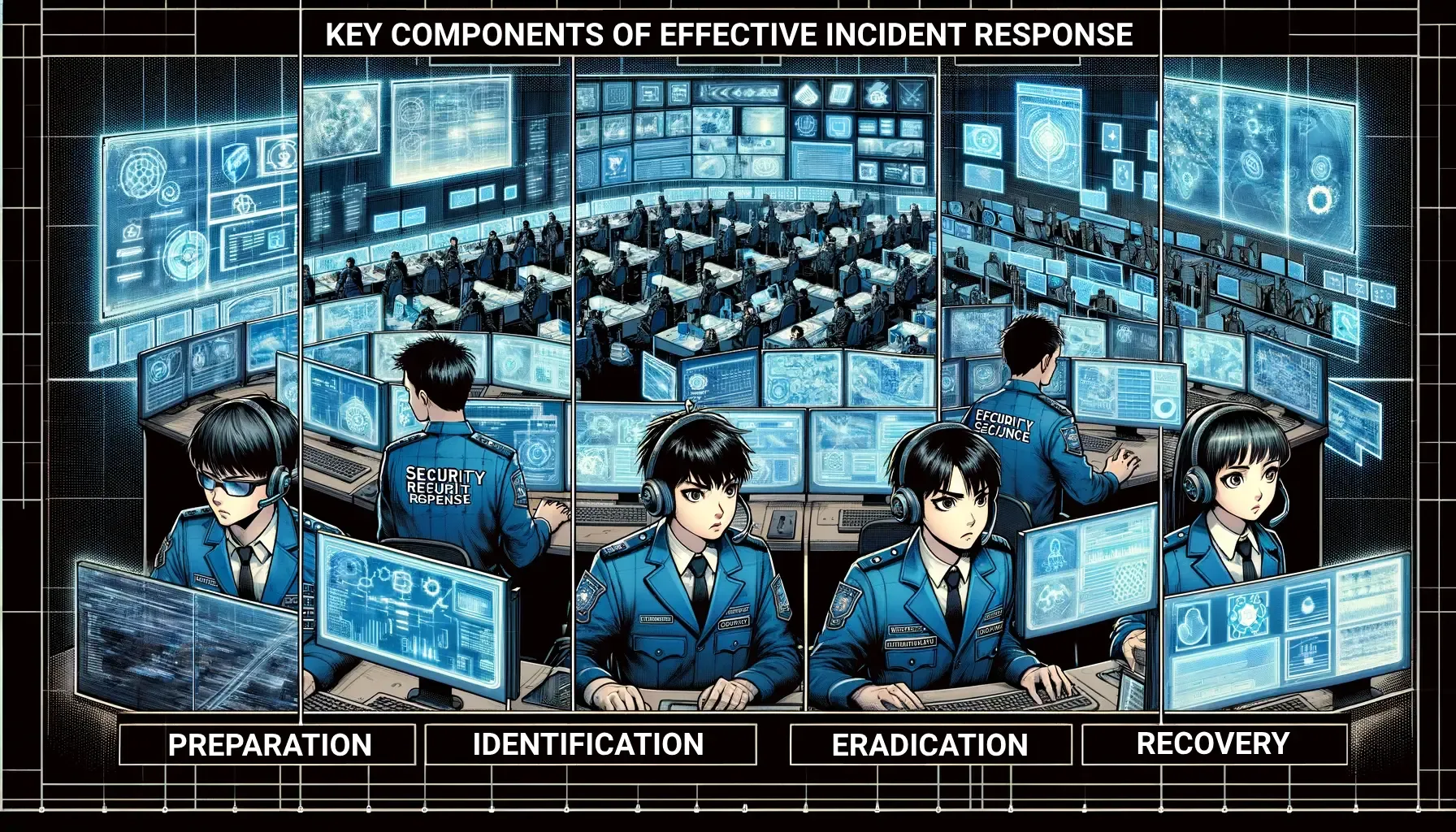
Key Components of Effective Incident Response Plans
1. **Preparation**: This involves establishing a response team, defining roles and responsibilities, and conducting training and exercises to ensure all team members are familiar with the plan.
2. **Identification**: In this phase, organisations must detect and ascertain the nature of the incident. This requires monitoring tools and regular assessments of network traffic and systems.
3. **Containment**: Effective containment strategies are essential to limit the damage from an incident. This may involve isolating affected systems and implementing temporary security measures.
4. **Eradication**: Once contained, the root cause of the incident must be identified and eliminated. This ensures that the same vulnerability cannot be exploited in the future.
5. **Recovery**: After eradicating the threat, organisations must restore systems and services to normal operation while ensuring that security measures are strengthened to prevent future incidents.
6. **Lessons Learned**: Post-incident analysis is vital for refining the incident response plan. Documenting what worked and what didn’t can provide invaluable insights for future incidents.
Current Trends and Importance
With the rise of remote work and increased reliance on digital platforms, the necessity of well-defined incident response plans is more pressing than ever. Recent studies indicate that 70% of organisations experienced at least one cyber incident in the past year, revealing a pressing need for readiness. Furthermore, regulators are increasingly mandating preparedness protocols, making compliance as significant a motivator as the desire to protect sensitive data.
Conclusion
In conclusion, developing and maintaining an effective incident response plan is not a mere checklist task for organisations but a critical component of their overall security posture. As cyber threats continue to grow, establishing robust IRPs can mean the difference between a swift recovery and significant reputational harm. Moving forward, organisations must prioritise the integration of incident response strategies into their overall risk management frameworks to stay ahead of potential threats.