Introduction
The Elizabeth Line, launched on May 24, 2022, represents a significant advancement in London’s transport infrastructure. Connecting Reading and Heathrow in the west to Shenfield and Abbey Wood in the east, it enhances the capacity and speed of travel across London and beyond. Given the city’s ever-increasing population and the need for efficient public transport, the Elizabeth Line is not just a new train line; it is a catalyst for economic growth and urban development.
Key Features and Developments
The Elizabeth Line spans over 60 miles and includes 41 stations, with 10 new ones specifically built for the line. It features modern trains that run up to 90 miles per hour, cutting previous travel times significantly. For instance, the journey from Paddington to Heathrow now takes less than 30 minutes. The project, estimated to have cost around £19 billion, has also created over 55,000 jobs, a testament to its extensive impact on the local economy.
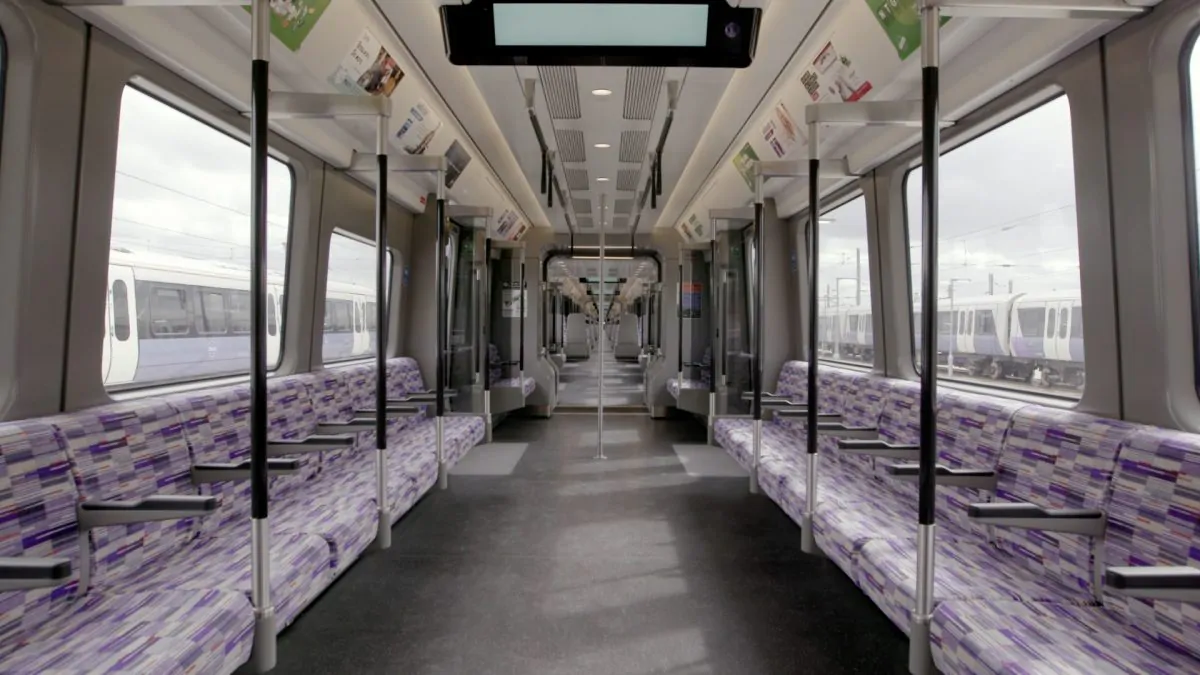
Furthermore, the Elizabeth Line’s design incorporates advanced technology, including air-conditioned trains and Wi-Fi connectivity across stations. Accessibility has been a priority as well, with step-free access to all new stations, making it easier for those with reduced mobility.
Benefits to Commuters and Businesses
With its opening, the Elizabeth Line has already seen a significant increase in passenger numbers. The line is expected to carry around 200 million passengers annually, easing congestion on existing routes and providing quicker access to key areas. This is particularly beneficial for businesses located along the route, as it improves accessibility for both employees and customers alike.
Conclusion and Future Prospects
The introduction of the Elizabeth Line is a remarkable milestone for London, enhancing both transport efficiency and economic opportunities. As more passengers flock to experience the benefits of this new service, it is projected that growth in areas surrounding the stops will accelerate due to improved connectivity. In a time where urban centres are increasingly challenged by congestion and pollution, the Elizabeth Line stands as a model for future transport projects aimed at sustaining development while promoting public transport use.