Introduction
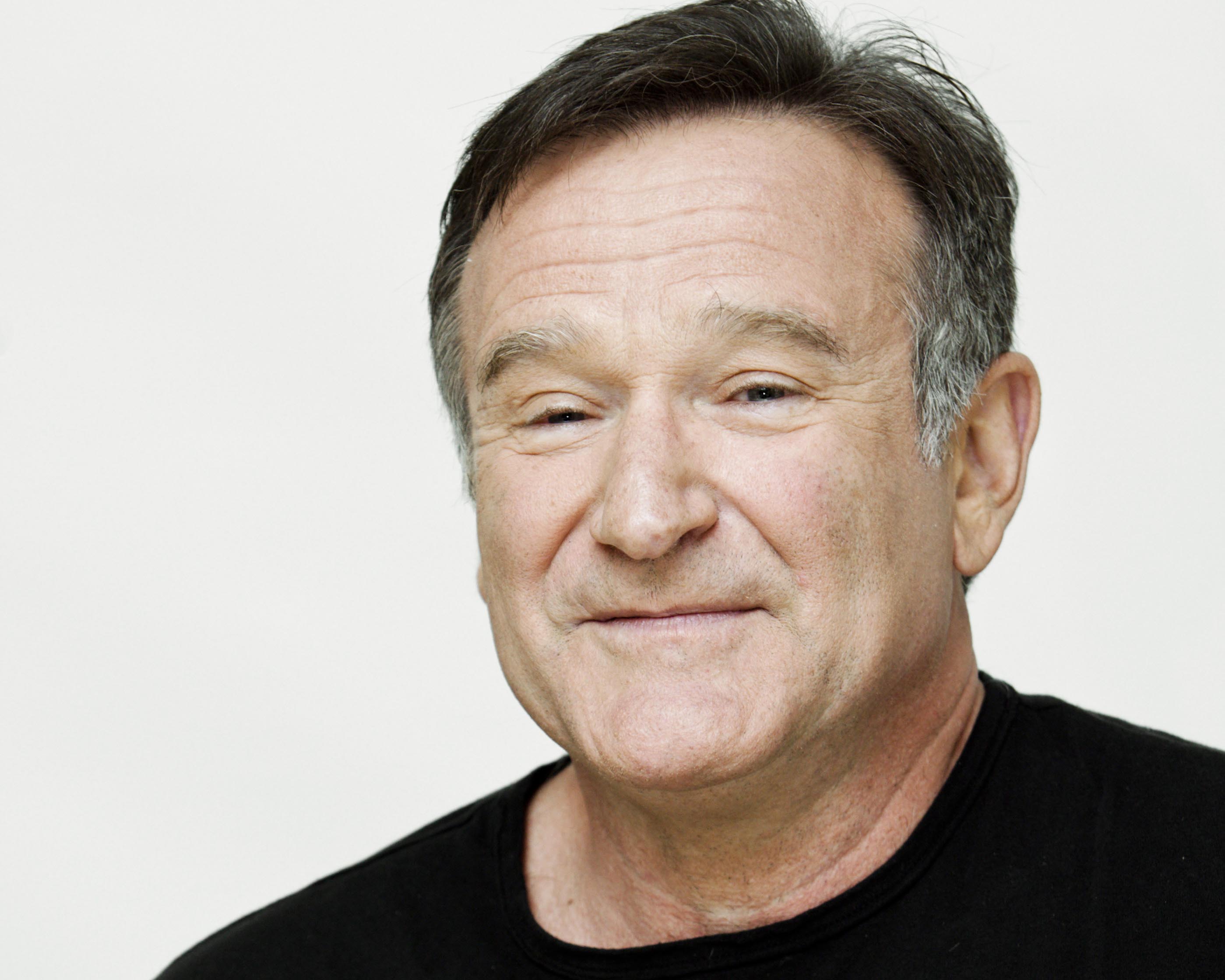
Robin Williams, one of the most beloved figures in entertainment history, left an indelible mark on both comedy and cinema. Known for his extraordinary talent and improvisational skills, Williams captured the hearts of audiences around the world. His tragic death in 2014 not only sent shockwaves through the entertainment industry but also sparked a larger conversation about mental health, reminding us of the struggles that may lie behind the laughter.
Life and Career
Born on July 21, 1951, in Chicago, Illinois, Robin Williams displayed a natural flair for performing from a young age. He gained fame in the late 1970s as the eccentric alien Mork in the television series ‘Mork & Mindy’. His career soared in the following decades, with iconic roles in films such as ‘Good Will Hunting’, for which he won an Academy Award for Best Supporting Actor, and ‘Dead Poets Society’, where he inspired students to seize the day.
Williams was not only an actor but also a brilliant stand-up comedian, known for his frenetic energy and quick wit. He was a pioneer in merging comedy with poignant themes, exploring topics of loss, love, and the human condition, which resonated deeply with audiences. His performances often blended humor with profound vulnerability, making him a unique voice in Hollywood.
Mental Health Advocacy
In the wake of Williams’s death, it came to light that he battled severe mental health issues, including depression and anxiety, compounded by a diagnosis of Lewy body dementia. This revelation sparked a global dialogue about mental health awareness, particularly in the entertainment industry where the pressure to perform often masks personal struggles. Fans and fellow artists have since shared their own stories, fostering a more open environment for discussing mental health issues.
Conclusion
The legacy of Robin Williams is multifaceted; he is remembered not just for his immense talent, but also for the impact he had on mental health awareness. As society continues to confront mental health challenges, Williams’s story serves as a crucial reminder of the importance of compassion, understanding, and dialogue. In honouring his memory, we must continue the conversation, ensuring that laughter and openness prevail in the face of adversity. His impact on both audiences and fellow performers will resonate for generations, a testament to the power of both comedy and sharing our struggles.