Introduction
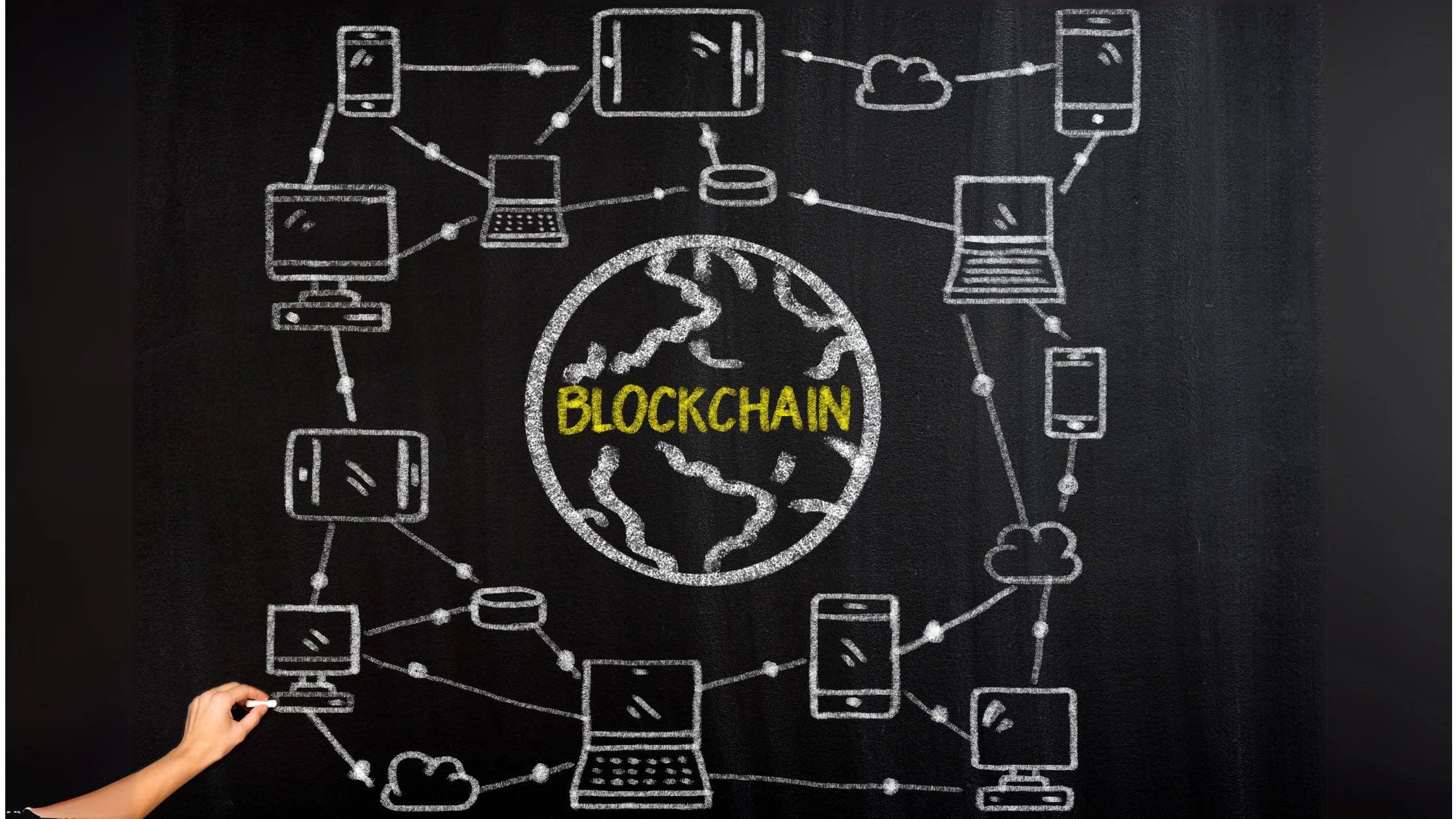
Blockchain technology, originally designed to support cryptocurrencies like Bitcoin, has evolved into a powerful tool influencing various sectors. Its decentralised nature offers enhanced security, transparency, and efficiency, leading to innovative applications in finance, supply chain management, and beyond. As industries continue to explore its potential, the relevance of blockchain applications becomes increasingly significant.
Current Applications of Blockchain
In the financial sector, blockchain facilitates faster and cheaper cross-border transactions. Companies like Ripple are leveraging this technology to streamline payments, reducing the need for traditional banking intermediaries. Moreover, blockchain is reshaping the way we think about digital identity, with organisations such as Sovrin focusing on self-sovereign identity solutions that grant users control over their personal data.
Supply chain management is another area experiencing a renaissance due to blockchain. Companies such as IBM and Maersk are utilizing blockchain to create transparent and traceable supply chains, ensuring consumers can verify product authenticity and ethical sourcing. For instance, the Food Trust network by IBM tracks the journey of food products from farm to table, minimising the risk of contamination and ensuring safety.
Emerging Fields for Blockchain Applications
As we look to the future, the potential for blockchain applications expands into sectors like healthcare and real estate. In healthcare, blockchain could revolutionise patient data management through secure, interoperable systems, allowing patients to share their health records seamlessly while ensuring privacy. In real estate, blockchain can simplify property transactions by providing a tamper-proof, transparent ledger, thereby reducing fraud and improving efficiency in the transfer of property ownership.
Conclusion
The integration of blockchain applications into various industries marks a significant shift towards decentralisation and increased accountability. While challenges such as regulatory hurdles and technological barriers remain, the continued exploration and development of blockchain technology are likely to bring about groundbreaking changes in how we conduct transactions and maintain trust across numerous sectors. As more organisations invest in blockchain solutions, the future promises a more connected and reliable world.