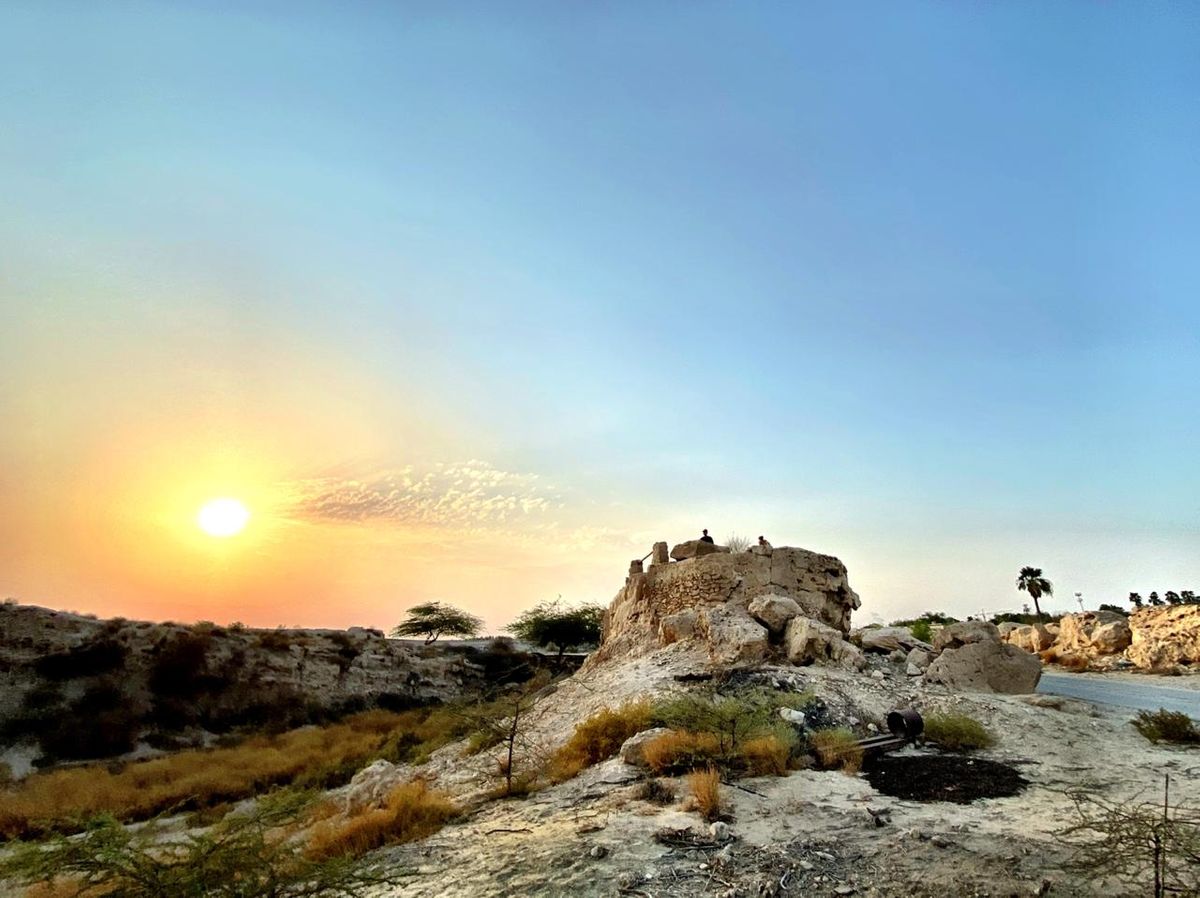
Introduction: The Importance of Saudi Arabia
Saudi Arabia, a country known for its vast oil reserves and historical significance in Islam, is undergoing significant changes. As the largest economy in the Middle East, Saudi Arabia’s recent reforms and cultural shifts are critically relevant not only to regional stability but also to global economics and politics. With Vision 2030 as its blueprint, the Kingdom aims to diversify its economy, enhance its cultural stature, and foster international relations.
Economic Reforms and Diversification
In recent years, Saudi Arabia has initiated a series of reforms aimed at reducing its reliance on oil. Under the ambitious Vision 2030 plan, the government has set targets to increase non-oil revenues and develop the private sector. The Public Investment Fund (PIF), which is set to be one of the largest sovereign wealth funds globally, plays a critical role in these reforms, investing in various sectors including technology, entertainment, and tourism.
In line with these efforts, major projects such as NEOM, a $500 billion futuristic city, are in development. NEOM aims to be a hub for innovation and tourism, and its construction demonstrates Saudi Arabia’s commitment to diversifying its economic base.
Cultural Changes and Global Engagement
Culturally, Saudi Arabia is also experiencing transformation. Recent years have seen an increase in entertainment events, including concerts and sporting events, previously not permitted in the conservative nation. The first-ever Formula E race and music festivals like MDLBEAST reflect the Kingdom’s efforts to enhance its global image and attract tourists.
Furthermore, social reforms, including allowing women to drive and fostering gender equality in various sectors, signify a significant cultural shift. These changes are supported by a younger population that desires more freedom and global connectivity.
Conclusion: The Significance of Saudi Arabia’s Evolution
The ongoing changes in Saudi Arabia have profound implications for both the region and the world. As the Kingdom continues to evolve, its actions will likely influence economic trends, geopolitical dynamics, and cultural narratives. Analysts predict that if its Vision 2030 initiatives succeed, Saudi Arabia could become a leading force in promoting sustainable economic practices, cultural openness, and collaborative international relations. Observers will be keen to follow how these developments unfold, shaping the future of the Middle East and beyond.