Introduction
The rivalry between India and Pakistan is one of the most intense and storied competitions in the world, spanning sports, politics, and culture. This rivalry, rooted in historical conflict and national pride, captures the attention of millions across both nations and the globe. As both countries continue to develop, understanding the implications of this rivalry is crucial for the future of South Asia.
Historical Background
The origins of the India-Pakistan rivalry can be traced back to the partition of British India in 1947, which led to the creation of Pakistan as a separate nation for Muslims. The partition not only triggered violent conflicts between communities but also established territorial disputes, most notably over the Kashmir region. Since then, multiple wars and ongoing conflicts have shaped the relationship between the two nations.
Sporting Rivalry
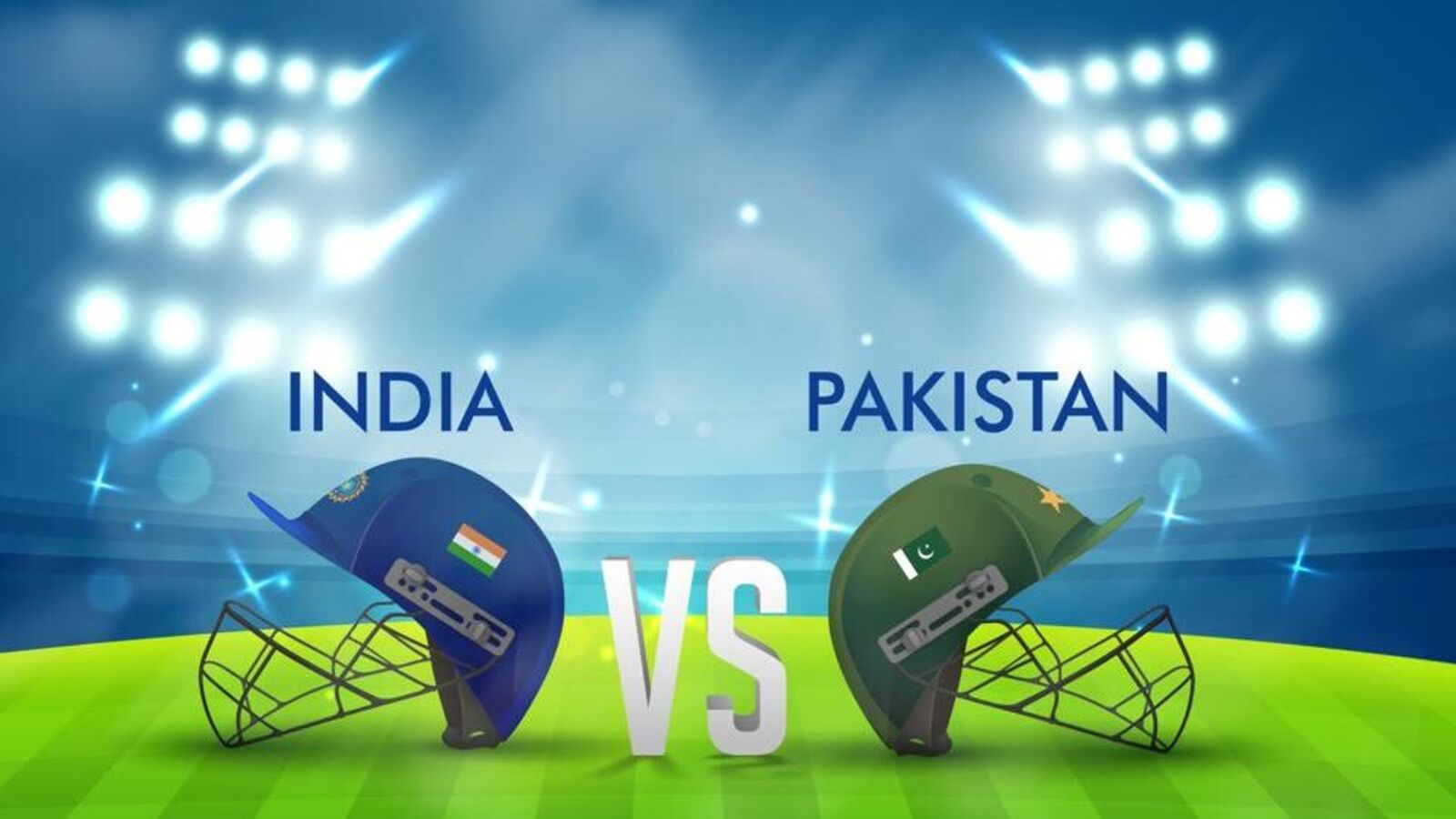
In sports, cricket is at the heart of the India-Pakistan rivalry. Matches between the two teams are often considered the most significant events in cricket, drawing massive audiences and creating a charged atmosphere. For example, the 2019 Cricket World Cup match between the two nations attracted 1.4 billion viewers, showcasing the global interest in their face-offs. Recent encounters have been marred by political tensions, with players often under immense pressure from their respective fans.
Political Context
Politically, the rivalry has implications that extend beyond the cricket field. The two nations have engaged in numerous military confrontations and skirmishes, culminating in significant events, such as the Kargil War in 1999 and the ongoing tensions along the Line of Control. Recent developments, including ceasefire agreements and talks, offer a glimmer of hope for improved relations, yet political solutions remain elusive.
Public Sentiment and Cultural Influence
Public sentiment on both sides is deeply influenced by the historical context of their rivalry. Both nations boast rich cultural heritages that often intersect, yet their emotional narratives diverge significantly. Literature, cinema, and art have all been shaped by the themes of conflict and identity, often reflecting on the shared origins of the two nations while underscoring their separations. Cultural exchanges can sometimes act as a bridge, although they often face obstacles amid political tensions.
Conclusion
The India-Pakistan rivalry remains a complex interplay of historical grievances, national pride, and emotional narratives. As both nations navigate their paths forward, the potential for dialogue and reconciliation exists. Continued engagement in sports, cultural exchange, and diplomatic efforts may foster a better understanding, paving the way for lasting peace in the region. For readers, understanding this rivalry sheds light on broader geopolitical dynamics while highlighting the human elements involved in national narratives.