Introduction: The Necessity of Incident Response Plans
In today’s digital era, where businesses rely heavily on technology, the need for robust cybersecurity measures is paramount. Incident response plans (IRPs) play a critical role in safeguarding organisations from cyber threats. By outlining the procedural steps to take when a security breach occurs, IRPs enable organisations to react swiftly, minimising damage and ensuring continuity. As cyber threats continue to evolve, the relevance of these plans has never been more significant.
Key Elements of Incident Response Plans
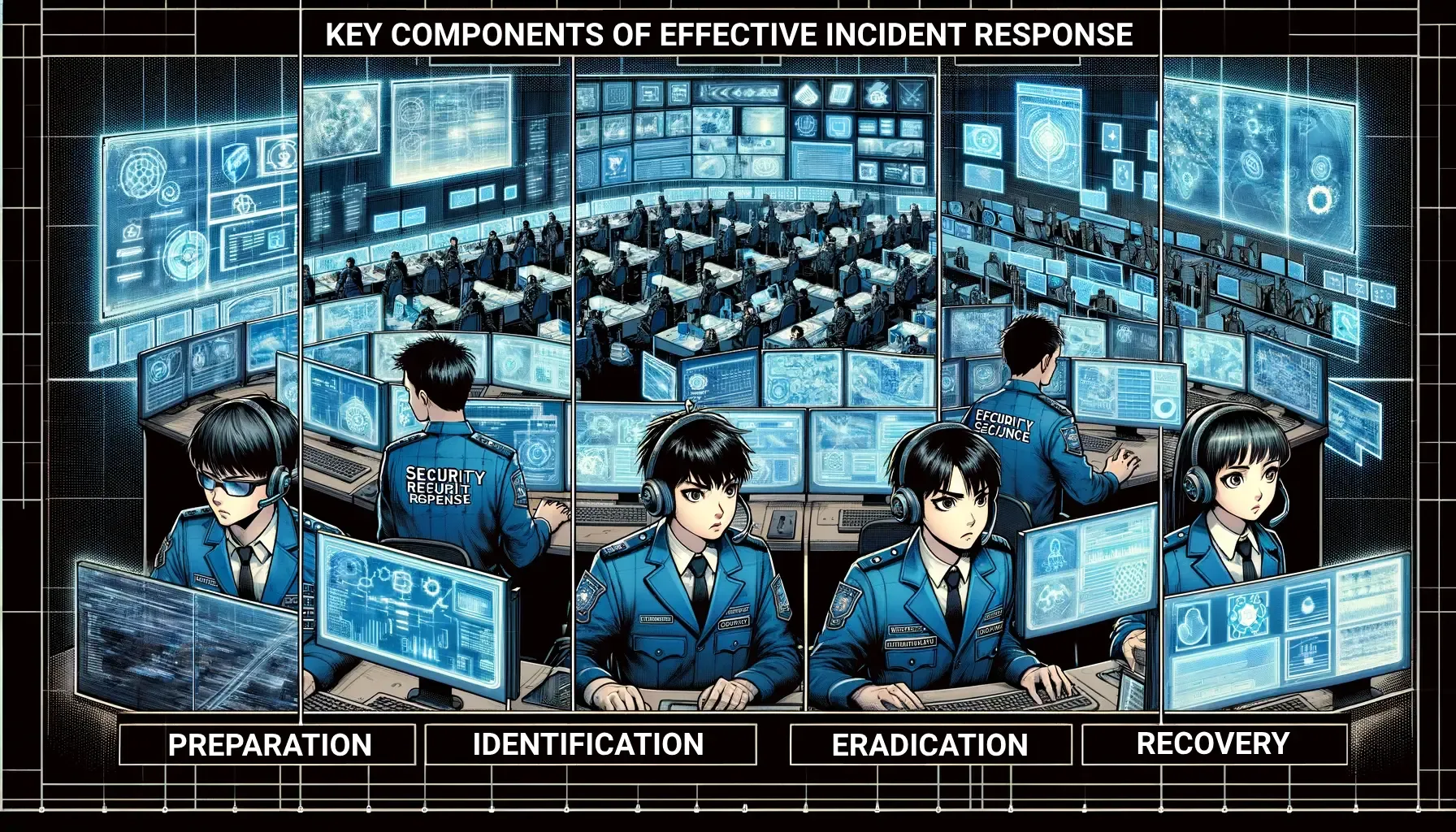
Effective incident response plans are built around a few essential components. Firstly, the plan should include clear roles and responsibilities to be shared among team members who will respond to incidents, ensuring swift coordination. Secondly, organisations must establish an identification phase to detect potential threats, followed by containment, eradication, and recovery procedures. This structured approach helps mitigate the impact of incidents on business operations.
Recent Developments and Cases
The urgency for effective incident response plans can be highlighted by recent high-profile cyber incidents. For instance, in 2023, a considerable ransomware attack targeted a major healthcare provider, leading to considerable operational disruptions. Organisations that had a well-defined IRP were able to respond effectively, restoring operations within days, while others faced prolonged outages and hefty financial losses. This incident exemplifies the direct correlation between preparedness and resilience in the face of cyber incidents.
Future Forecasts and Best Practices
Looking ahead, experts urge organisations to not only develop but also regularly update and test their incident response plans. The landscape of cyber threats is continuously changing, with new vulnerabilities arising from technological advancements. Companies should consider regular training sessions and simulations to ensure their teams are well-prepared for real incidents. Moreover, integrating AI and machine learning into incident response plans can modernise detection capabilities and response times, providing an added layer of efficiency.
Conclusion: Staying Ahead of the Curve
In conclusion, incident response plans are an essential part of an organisation’s cybersecurity strategy. As cyber threats grow in complexity, having a proactive and well-structured IRP is invaluable. Not only do these plans protect an organisation’s assets, but they also foster trust among stakeholders and customers. By investing in effective incident response strategies, businesses can ultimately ensure their long-term viability and success in an increasingly digital world.