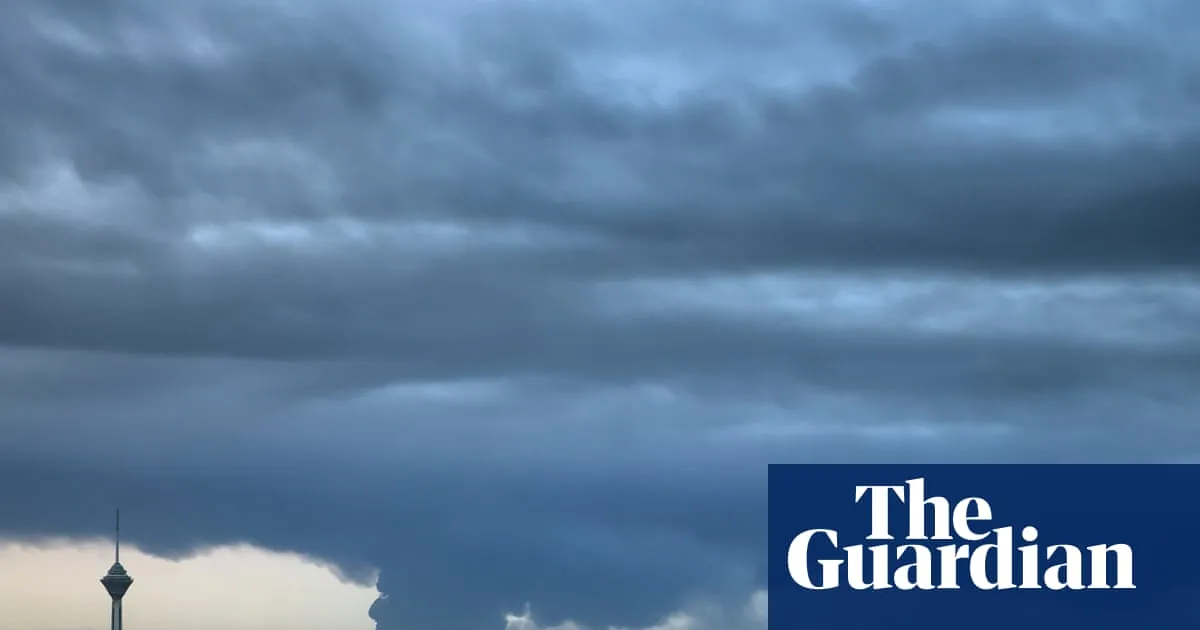
Tehran is grappling with a public health crisis after recent Israeli bombings on oil depots, which have resulted in toxic fires and severe air pollution. Satellite images reveal that the Aqdasieh oil depot has been visibly burning for over 10 days since the strikes on March 7, 2026.
Residents of Tehran have reported experiencing headaches, eye and skin irritation, and difficulty breathing due to the thick clouds of smoke blanketing the city. The smoke contains harmful pollutants, including soot, oil particles, and sulphur dioxide, raising alarm among health officials.
The head of the World Health Organization, Tedros Adhanom Ghebreyesus, emphasized the risks, stating, “The attack risked contaminating food, water and air – hazards that can have severe health impacts especially on children, older people, and people with pre-existing medical conditions.” This warning comes as the United Nations Environment Programme also raised concerns about the long-term health risks associated with exposure to smoke and toxic emissions.
Iran has condemned the attacks as “ecocide,” highlighting the severe environmental destruction caused by the bombings. The pollution from the uncontrolled fires may not only affect air quality but could also leach into groundwater and contaminate food supplies.
Residents have long complained about the air quality in Tehran, describing it as “unbreathable” for years, exacerbated by chronic air pollution and the use of low-quality heating oil. The symptoms reported by residents align with those typically associated with oil fires, which produce harmful sulphur and nitrogen compounds.
As rescue workers continue to respond to the aftermath of missile strikes in south Tehran, the situation remains dire. The attacks have sparked a turning point among some anti-regime residents, who are now more vocal about their grievances.
Details remain unconfirmed regarding the full extent of the damage and the long-term implications of the pollution. However, the immediate health impacts are already being felt across the city, with many residents expressing deep concern for their well-being and that of their families.
With the smoke from burning oil posing risks to food, water, and air supplies, the situation in Tehran is evolving rapidly, and observers are closely monitoring developments.