Impact of Recent Storms
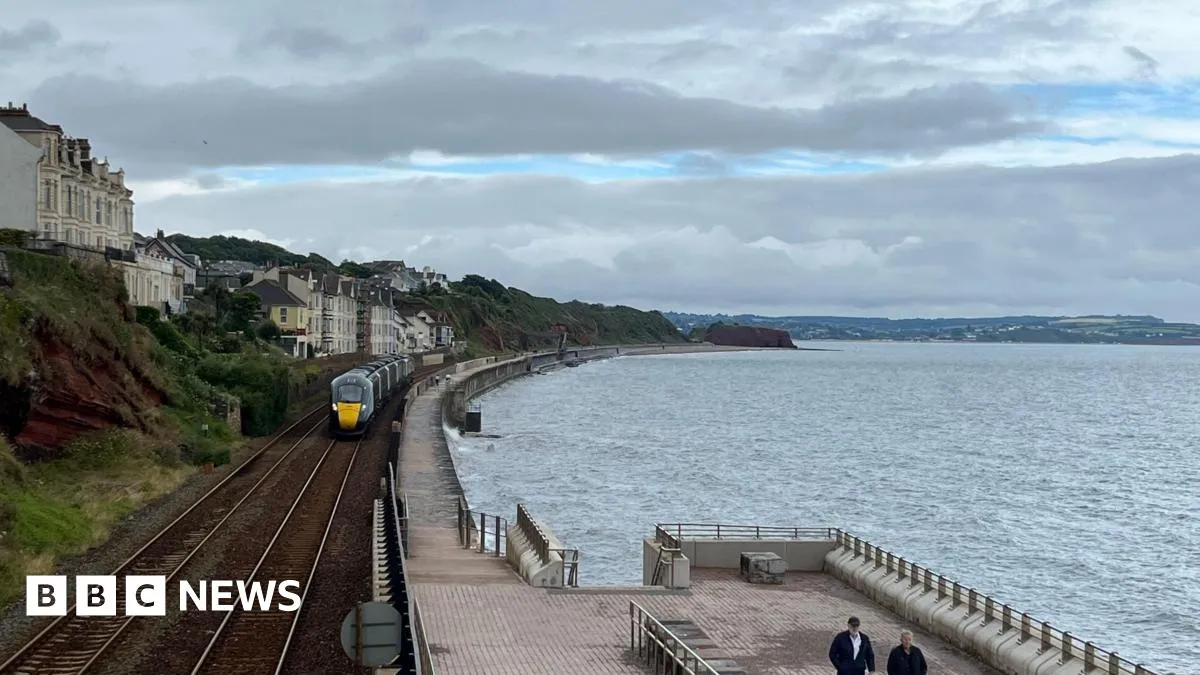
In recent weeks, Devon and Cornwall have faced significant disruptions due to severe storms, particularly Storm Goretti and Storm Ingrid. These weather events have caused extensive damage to local infrastructure, including a partial collapse of a seawall in Dawlish, which has severely affected train services in the region. Prior to these developments, expectations for the rail network were stable, with no immediate concerns regarding service reliability.
Immediate Changes and Damage
The decisive moment came with the arrival of the storms, leading to immediate disruptions. The seawall’s collapse has not only halted train services but has also raised concerns about the overall safety of the rail infrastructure in the area. In addition, Storm Chandra has inflicted damage on the A30 Hendford Hill, which is currently operating southbound only due to safety concerns stemming from bank slippage and fallen trees. Somerset Council is now focused on ensuring that this vital route can fully reopen.
Responses from Local Authorities
Local authorities have responded swiftly to the damage caused by the storms. Labour MPs from Devon and Cornwall have called on the government to devise a comprehensive plan aimed at improving the region’s rail network in light of the recent storm damage. Meanwhile, Somerset Council’s Lead Member for Transport and Waste Service, Councillor Richard Wilkins, emphasized the urgency of reopening both lanes of the A30, stating, “It is vital we reopen both lanes as soon as possible – we’re aiming for a few weeks at the most to get the work done.” This highlights the immediate need for infrastructure repair and the potential economic implications of prolonged disruptions.
Engineering Solutions and Safety Measures
Engineers have been assessing various approaches to address the damage on the A30 Hendford Hill. Options considered include doing nothing, conducting inspections and maintenance, implementing a protective barrier, or reprofiling and strengthening the slope. The Council has decided to move forward with the option of adding a protective barrier to safely reopen the southbound carriageway. This decision reflects a proactive approach to ensuring safety while minimizing disruption to traffic.
Broader Economic Context
The impact of these storms is not limited to infrastructure; it also intersects with broader economic challenges facing the region. The head of the Treasury select committee has warned that young adults in the UK are facing a “perfect storm” of economic difficulties, exacerbated by high unemployment rates and burdensome student loan repayments. As young people emerge from education, they are confronted with soaring rents and a challenging job market, further complicating their financial situations.
Political Reactions and Future Implications
Political reactions to the ongoing situation have been mixed. Meg Hillier, a member of the Treasury select committee, remarked, “Every government will make what seem like rational decisions in their own silo,” indicating a disconnect between government actions and the realities faced by young adults. The recent decision by Rachel Reeves to freeze the threshold for student loan repayments for three years from 2027 has reignited anger over the student loan system, adding to the economic pressures on young people.
As Devon and Cornwall grapple with the aftermath of the storms, the need for improved infrastructure and a responsive government plan has never been more critical. The damage caused by Storm Goretti, Storm Ingrid, and Storm Chandra serves as a reminder of the vulnerabilities in the region’s infrastructure and the broader economic challenges that young people face. Moving forward, the focus will be on ensuring that repairs are made swiftly and that the region is better prepared for future weather events.