“More people than ever want to celebrate living in England with a positive, inclusive and shared experience,” says Graham Smith, a key figure in the upcoming St. George’s Day celebrations.
This sentiment resonates deeply as the day approaches on April 23, 2026. In fact, St. George’s Day festivities have surged by an impressive 46% year on year, with 161 events planned for this year alone—an increase from just 110 events in 2025. The growing enthusiasm highlights not only the importance of the day but also a collective desire to embrace English identity.
St. George’s Day is more than just a day on the calendar; it’s intertwined with significant cultural references. Coincidentally, it marks both the birthday and death date of William Shakespeare, one of England’s most revered literary figures. This dual significance adds layers to the celebrations, making it a day that honors not just national pride but also cultural legacy.
The events scheduled for this year reflect a diverse range of activities. The largest category is pub and bar events, with 64 listings—these venues become gathering spots for friends and families to celebrate together. Following closely are festivals, which number 31, showcasing local culture through music and dance. Additionally, there are 23 Morris dancing events planned, an age-old tradition that embodies English folklore.
That context matters because it paints a picture of how communities are coming together to celebrate their heritage. Greater London leads the charge with 29 events listed, while Essex and Kent contribute with 13 and 12 respectively. The geographical spread indicates that the celebrations are not confined to urban areas but reach into suburban and rural communities as well.
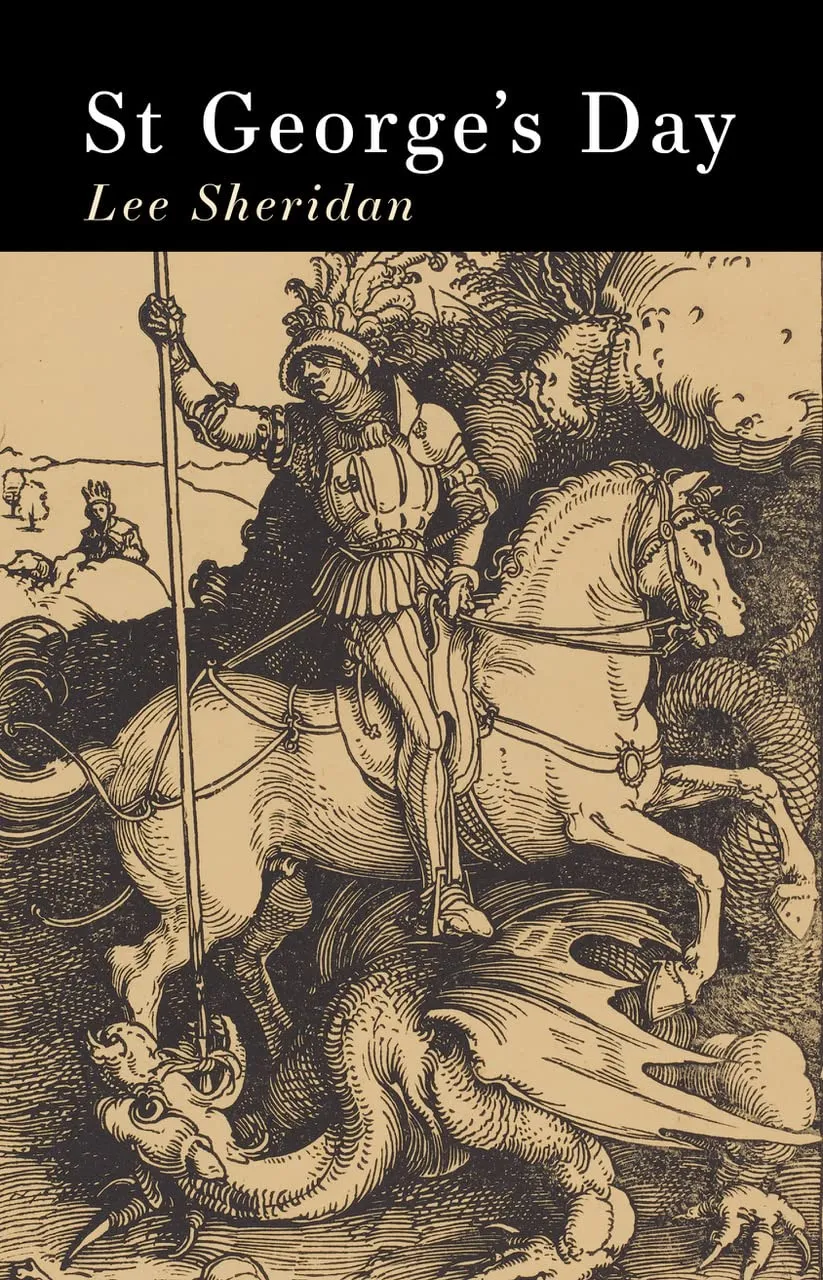
St. George himself was a Greek soldier in the Roman Army around 300 AD—a figure whose legacy has evolved over centuries to symbolize courage and chivalry. He was martyred for his Christian beliefs, which adds another layer of meaning to his feast day; it serves as a reminder of resilience and faith in one’s convictions.
But what does it mean to be English today? One participant reflects: “I consider myself a patriot and I’m proud to be both English and British.” This statement encapsulates the essence of modern patriotism—an identity that is inclusive rather than exclusive. As Graham Smith pointed out earlier, there’s a strong desire to reclaim symbols like the St. George’s flag from those who distort them for extremist purposes.
As we look forward to St. George’s Day this year, it’s clear that these celebrations serve as more than just an acknowledgment of history; they represent an evolving narrative about what it means to belong in England today. The anticipation builds around these events—will they spark even greater participation next year? Only time will tell as communities continue to embrace their shared heritage.