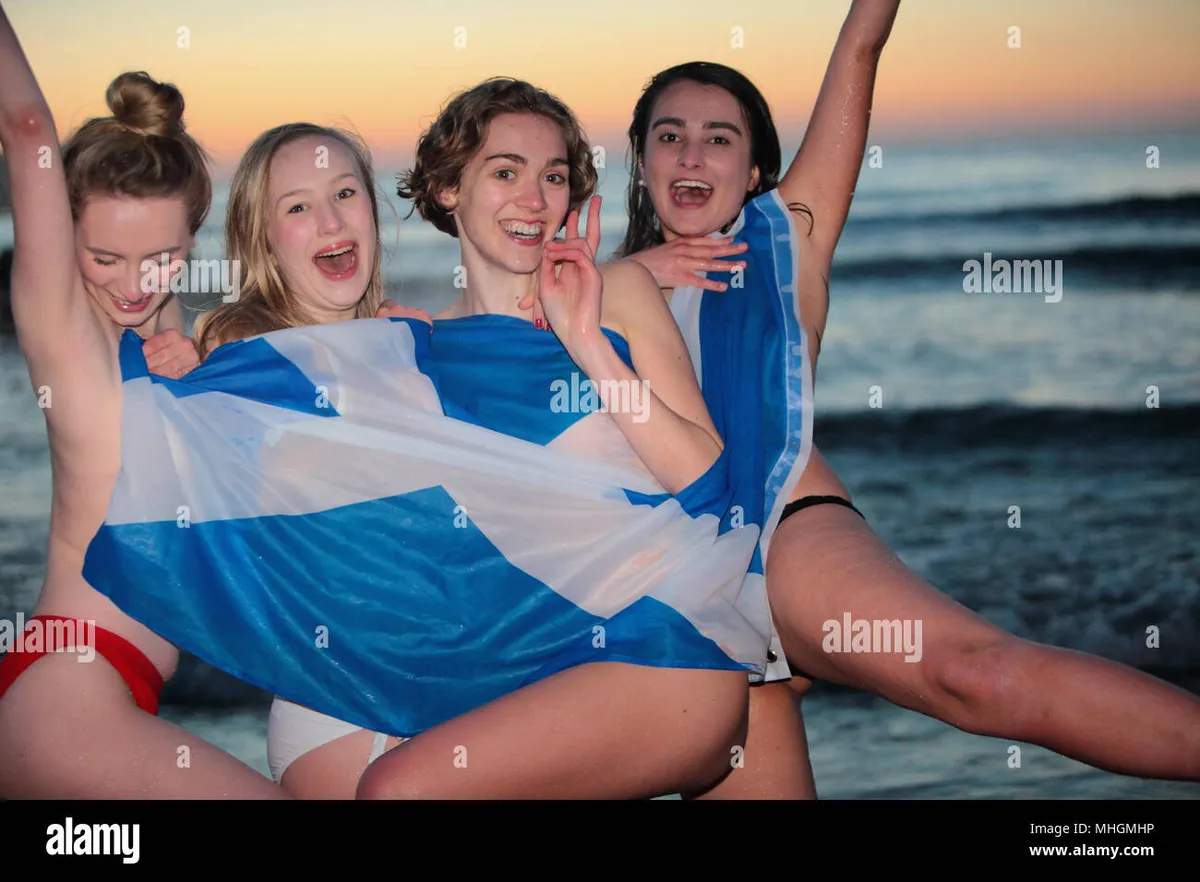
Students at St Andrews University are increasingly uncomfortable with photographers targeting them during the May Dip, raising concerns about consent and body image. Hundreds of students participated in this year’s event on May 1, 2026, a tradition intended to bring good luck in exams and cleanse academic sins.
The May Dip involves students gathering at East Sands at dawn to run into the North Sea. However, this year, many students expressed discomfort about being photographed without their consent. Anna, a participant, shared her feelings: “It ruined my night.” Another student, Olivia, noted that photographers seem to focus specifically on female students in swimwear, saying, “They know what they’re doing; they know exactly who they’re picking out.”
This situation unfolds against a backdrop of growing awareness around photography ethics and body image issues. In fact, more than 60% of adults in the UK report negative feelings about their body image. This statistic amplifies the concerns voiced by students who feel objectified during such rituals.
The university has warned students about the presence of press photographers at the event. Yet many participants still find it unsettling to be photographed while participating in a tradition meant to be celebratory. Anna further remarked, “To have comments on your body just feels really repulsive.” This sentiment echoes a larger cultural conversation about consent and representation.
Adding another layer to this tradition is the legend surrounding the Patrick Hamilton curse, which claims that participating in the May Dip is the only way to lift this curse. The event carries significant weight for students as they seek both luck and community bonding.
The historical context of the May Dip also matters; it has roots in centuries-old student rituals that foster camaraderie among participants. However, as these traditions evolve, so too do the expectations around personal agency and respect for individual privacy.
As St Andrews grapples with these complex issues, observers expect discussions around photography ethics and student welfare to intensify. Students are calling for clearer guidelines on consent during such events to ensure that everyone feels safe and respected while celebrating their traditions.