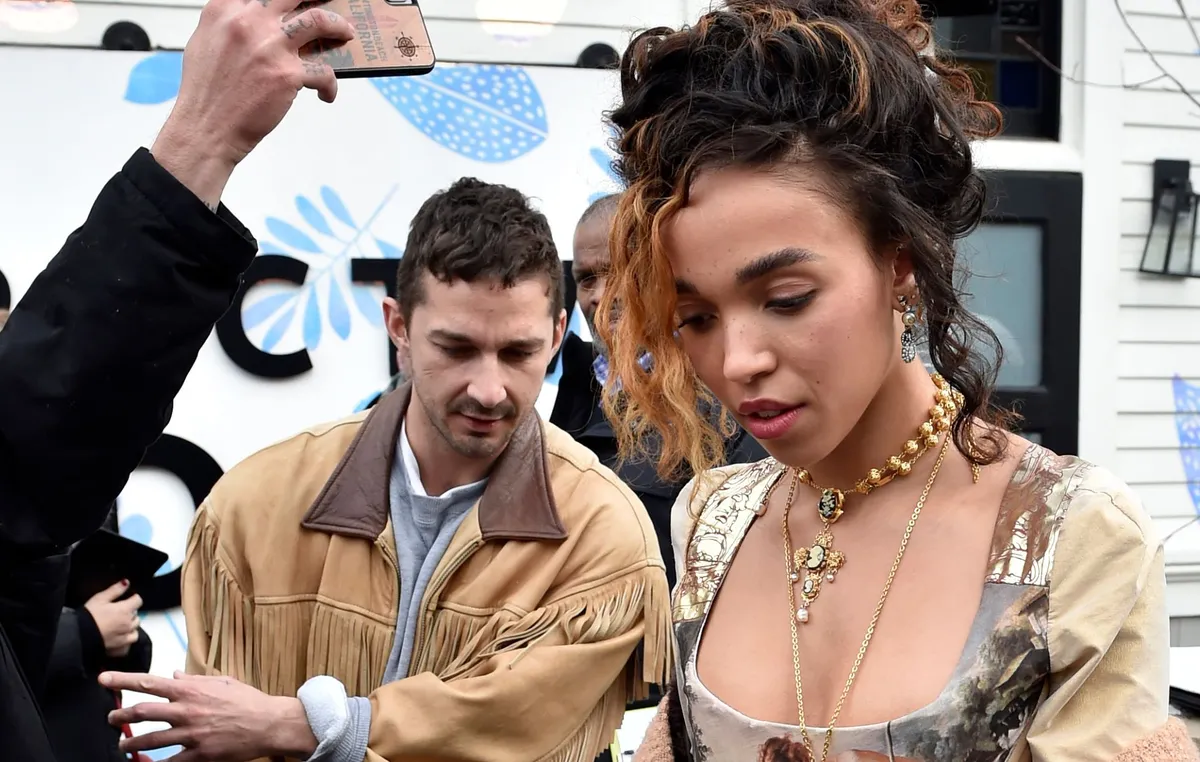
FKA Twigs has filed a new lawsuit against Shia LaBeouf, reigniting discussions surrounding their tumultuous relationship. This latest legal action comes after Twigs previously accused LaBeouf of “relentless abuse” during their time together, which she detailed in a 2020 lawsuit that included serious allegations such as sexual battery, assault, and emotional distress.
The current lawsuit accuses LaBeouf of attempting to prevent Twigs from speaking out about her experiences through an “illegal” non-disclosure agreement (NDA). According to Twigs’ attorney, this NDA is said to violate the STAND Act, which prohibits agreements designed to silence victims of sexual assault.
In a notable turn of events, Twigs does not seek financial compensation from this new lawsuit. Instead, her lawyer, Matthew Rosengart, emphasized that the action aims to “right a wrong” and to advocate for other women who have faced similar situations of sexual violence. Rosengart stated, “She files this action to right a wrong, and also on behalf of other women who are the victims of sexual and domestic violence who do not have the resources to speak out and defend themselves from predators.”
LaBeouf’s legal team has denied the claims made by Twigs, asserting that the allegations are unfounded. In December 2025, LaBeouf had filed a secret arbitration complaint against Twigs, alleging that she breached their contract.
In a statement regarding his past behavior, LaBeouf acknowledged a history of abusive actions towards women, saying, “I owe these women the opportunity to air their statements publicly and accept accountability for those things I have done.” This admission adds a layer of complexity to the ongoing legal battles.
Twigs’ current lawsuit seeks a court order to prevent LaBeouf from enforcing certain sections of the NDA, which she claims are unlawful. Observers note that this case could set a significant precedent regarding the enforceability of NDAs in cases involving sexual abuse.
As the situation unfolds, advocates for survivors of domestic violence and sexual assault are closely monitoring the developments. They argue that survivors should have the right to share their stories without fear of retribution or coercion, a sentiment echoed by California lawmakers.
Details remain unconfirmed regarding the next steps in this legal battle, but the implications of this lawsuit could resonate beyond the individuals involved, potentially influencing how similar cases are handled in the future.