The numbers
Saleh Mohammadi was executed by hanging on March 19, 2026, at the age of just 19. His execution is part of a troubling trend in Iran, where the government has intensified its crackdown on dissent, particularly among the youth. Mohammadi was accused of killing two police officers during protests, a claim that has been met with skepticism by human rights advocates.
The trial that led to his death sentence, handed down on February 4, 2026, was marred by allegations of forced confessions and a lack of due process. Human rights organizations have condemned the Iranian judiciary’s handling of the case, asserting that it reflects a broader pattern of politically motivated executions aimed at silencing opposition.
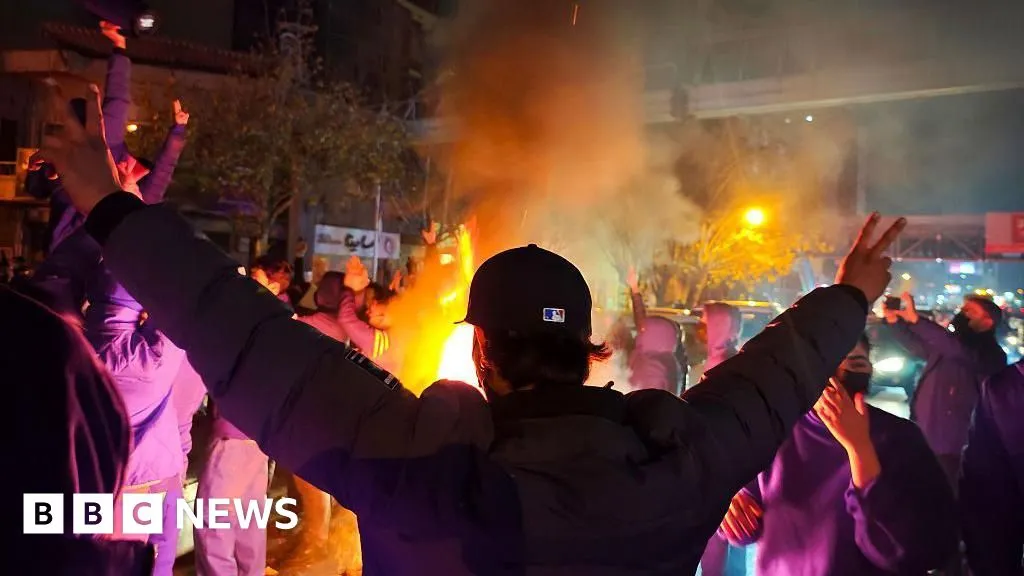
Mohammadi’s arrest occurred during protests in January 2026, a time when public discontent was rising against the Khamenei regime. His case drew international attention, especially after it was revealed that he had previously earned a bronze medal in wrestling at the Saytiyev International Cup in September 2024. This achievement had made him a symbol of hope for many young Iranians.
Alongside Mohammadi, two other men, Saeed Davoudi and Mehdi Ghasemi, were executed, raising the total number of young protesters executed in recent months to three. The Iranian regime has claimed that these individuals acted on behalf of foreign adversaries, specifically Israel and the United States, attempting to justify their actions as necessary for national security.
Critics of the regime have labeled these executions as state-sanctioned murder, designed to instill fear within the population. Nima Far, a prominent activist, stated, “His execution was a blatant political murder, part of the Islamic Republic’s pattern of targeting athletes to crush dissent and terrorize society.” This sentiment is echoed by the Center for Human Rights in Iran (CHRI), which condemned the trials as sham proceedings built on torture and forced confessions.
The United States has also expressed deep concern over the execution, with a spokesperson from the U.S. State Department stating, “The United States is deeply concerned by reports that 19-year-old wrestling champion Saleh Mohammadi is facing imminent execution.” This international attention underscores the global implications of Iran’s human rights record.
As the world watches, the situation remains precarious for those who dare to speak out against the regime. Activists like Alizreza Nader have called for a boycott of the Iranian regime in international sports, emphasizing the need for solidarity with those suffering under oppressive governance. The executions of young protesters like Mohammadi serve as a grim reminder of the lengths to which the Iranian government will go to maintain control.
Details remain unconfirmed regarding the full extent of the regime’s crackdown on dissent, but observers expect that the international community will continue to pressure Iran to uphold human rights and cease its violent suppression of protests.