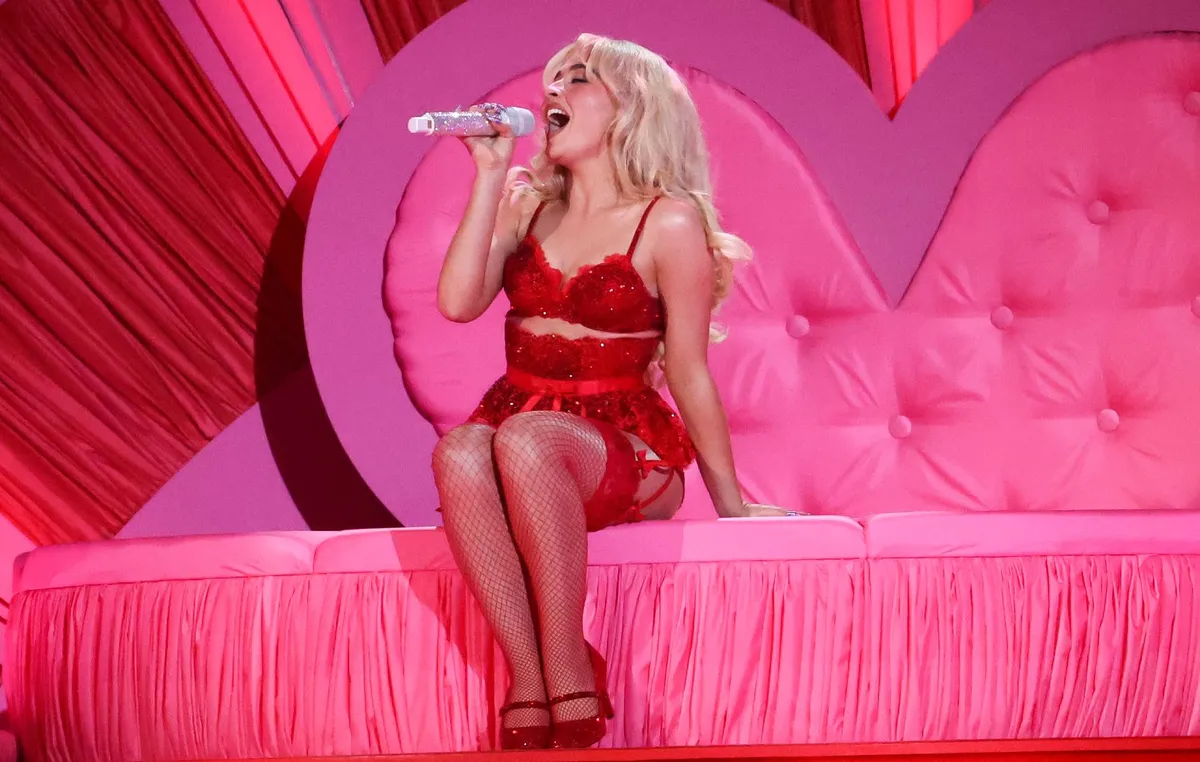
Before the 2026 Coachella Music & Arts Festival, expectations were high for Sabrina Carpenter, who had predicted her headlining moment two years earlier. Fans anticipated a vibrant performance showcasing her growth as an artist since her mid-afternoon set in 2024.
However, during her set on April 10, 2026, a decisive moment occurred when a fan interrupted with a Zaghrouta chant, a traditional expression of joy among Arab-speaking women. Carpenter’s immediate reaction was one of confusion, as she responded, “I don’t like it,” which sparked a wave of backlash on social media.
The incident escalated when Carpenter further commented, “That’s your culture? Yodeling? Is this Burning Man? This is weird.” Her remarks were met with criticism, leading her to later apologize on X, stating, “My reaction was pure confusion, sarcasm and not ill intended. Could have handled it better!”
This exchange highlighted the complexities of cultural sensitivity, especially in a diverse setting like Coachella. The Zaghrouta, a chant deeply rooted in cultural significance, became a focal point for discussions on respect and understanding in the arts.
Carpenter’s performance also featured surprise appearances by notable figures such as Will Ferrell, Susan Sarandon, and Sam Elliott, which initially overshadowed the controversy. Her set list included popular songs like “House Tour,” “Manchild,” and “Espresso,” showcasing her musical versatility.
Despite the star-studded nature of the event, the incident with the Zaghrouta chant shifted the narrative. Social media erupted with debates about cultural appropriation and sensitivity, with many expressing disappointment in Carpenter’s comments. One critic stated, “Sabrina saying that she doesn’t like a cultural Arabic cheer… this is so insensitive and Islamophobic.”
Experts in cultural studies weighed in, emphasizing the importance of understanding and respecting diverse cultural expressions, especially in public performances. They noted that artists have a responsibility to engage with their audience’s cultural backgrounds thoughtfully.
As the festival concluded, the discussions surrounding Carpenter’s comments lingered, prompting a broader conversation about the role of artists in promoting cultural awareness. This incident serves as a reminder of the delicate balance between artistic expression and cultural sensitivity.
While Carpenter’s headlining performance was a significant milestone in her career, the events that transpired during her set will likely shape her public image and future interactions with fans and cultural expressions.