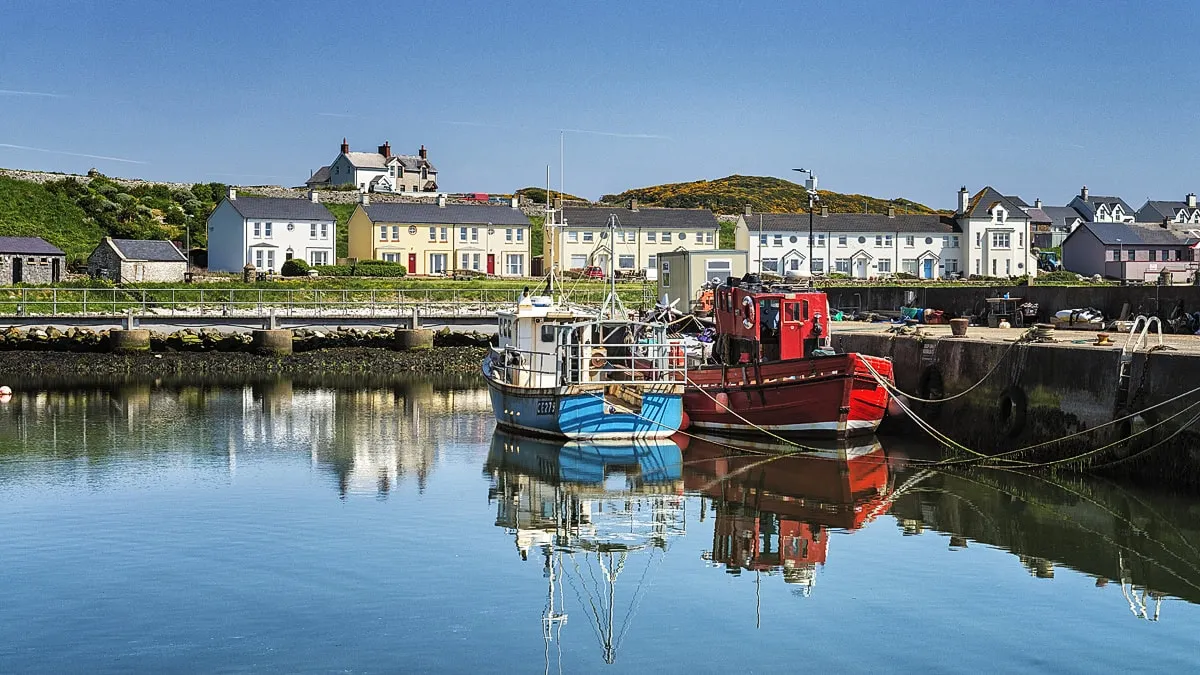
Rathlin Island has unveiled its summer 2026 ferry timetable, which will operate from April 3 to September 30, offering an additional return crossing every Saturday and Sunday morning. This new schedule aims to meet the needs of both residents and visitors, according to Liz Kimmins, a representative involved in the planning.
In a significant conservation achievement, Rathlin Island is now ferret-free following a £4.5 million project led by RSPB NI. The invasive ferret population, which was believed to have been introduced in the 1980s, had grown to over 100 individuals, posing a serious threat to the island’s wildlife, particularly its seabird population.
Before the eradication efforts, ferrets were known to prey on seabirds and chickens, with one ferret reportedly killing 26 puffins in a single year. The successful removal of these invasive species is a world-first for inhabited islands, marking a pivotal moment for conservation efforts globally.
Rathlin Island is home to more than 250,000 seabirds, including puffins, razorbills, guillemots, and Manx shearwaters. The recent eradication of ferrets has already shown positive results, with the first breeding Manx shearwater confirmed in 2025 after a 40-year absence.
Erin McKeown, a local conservationist, expressed her excitement, stating, “It’s brilliant to be ferret-free.” This sentiment is echoed by Joanne Sherwood, who emphasized the broader implications of this success, calling it “an extraordinary moment for Rathlin, for Northern Ireland, and for conservation globally.”
The LIFE Raft project, initiated in 2021, received funding from various sources, including EU LIFE, The National Lottery Heritage Fund, DAERA, and the Garfield Weston Foundation. This collaborative effort has not only improved the island’s ecological health but also fostered community involvement.
As the island prepares for the summer season, the community is optimistic about the future of its wildlife and tourism. Michael Rafferty, a local leader, described the eradication program as a “brilliant red letter day for Rathlin Island, and for the community who have been amazing to work with on the eradication programme.”
With no rats spotted on Rathlin Island since last summer, the island’s ecosystem appears to be on the mend. Observers are hopeful that these changes will lead to a resurgence of native wildlife and a thriving environment for both residents and visitors.
Details remain unconfirmed regarding any further developments in the conservation efforts or additional changes to the ferry service as the summer approaches.