Dr. Rahmeh Aladwan, a 31-year-old resident of Pilning, South Gloucestershire, has been charged with serious offenses under the Terrorism Act, including four counts of inviting support for Hamas. This development has significant implications for discussions surrounding freedom of speech and national security in the UK.
Aladwan’s arrest took place at her home, where she was taken into custody by the Metropolitan Police. The charges allege that she invited support for the proscribed group Hamas on four separate occasions between July and December 2024. Additionally, she faces two counts of stirring up racial hatred through her written material and spoken words.
One of the charges related to stirring up racial hatred stems from an incident that occurred on King Charles Street, London, on 21 July 2025. This incident has drawn attention to the broader societal issues of hate speech and its implications for community relations.
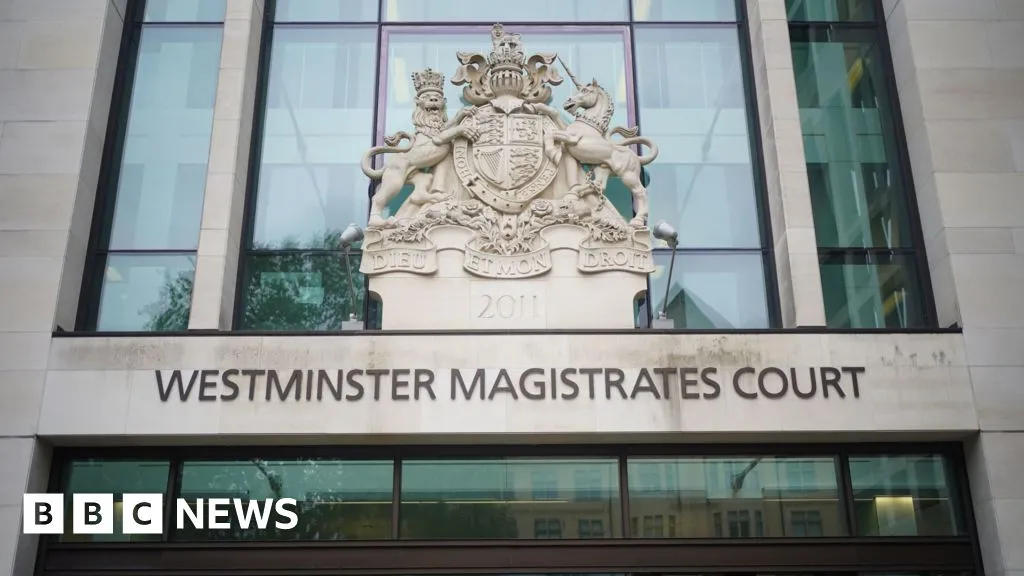
During her appearance at Westminster Magistrates’ Court, Aladwan’s legal team indicated that she intends to plead not guilty to all charges. This assertion sets the stage for a potentially contentious legal battle that could explore the boundaries of free expression and the legal definitions of support for terrorist organizations.
Aladwan has made statements that have raised eyebrows, including, “I don’t condemn Hamas. I don’t condemn October 7,” and “Free the world from Jewish supremacy.” These remarks have intensified scrutiny on her case and the broader implications for public discourse related to sensitive geopolitical issues.
This is not Aladwan’s first encounter with the law; she was previously arrested for breaching bail conditions following earlier arrests. This history adds another layer of complexity to her current legal situation.
The charges against Aladwan come at a time when the UK is grappling with how to balance national security concerns with the rights of individuals to express their views, even when those views are controversial or offensive to some.
As the case unfolds, it is expected to attract significant media attention and public debate. Legal experts and civil rights advocates will likely weigh in on the implications of the charges, particularly regarding the limits of free speech in the context of national security.
Details remain unconfirmed regarding the specific evidence that will be presented in court, and further developments in this case are anticipated as it progresses through the legal system.