Recent Arrest in Nairobi
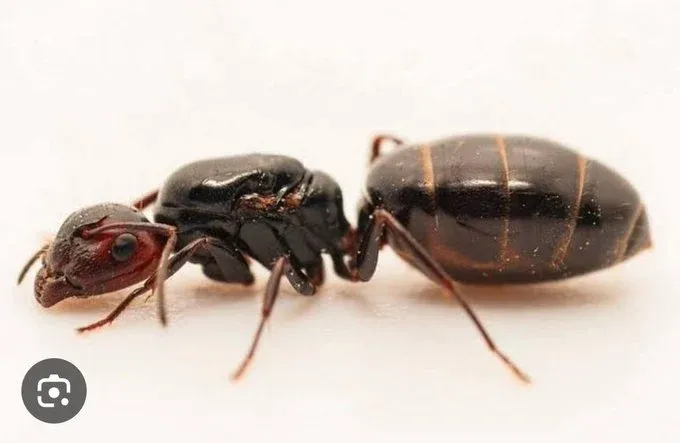
In a notable incident at Jomo Kenyatta International Airport in Nairobi, a Chinese national named Zhang Kequn was arrested for attempting to smuggle a significant number of live queen ants. On the day of his arrest, authorities discovered a total of 2,238 live garden ants in his luggage, which included 1,948 ants carefully packed in test tubes and an additional 300 concealed within tissue paper.
Investigation by the Kenya Wildlife Service
The Kenya Wildlife Service (KWS) is currently investigating this case as part of a broader probe into the smuggling of insects, which has been on the rise in recent years. This incident follows a similar case from the previous year, where four men were sentenced to one year in prison or fined $7,700 for attempting to smuggle thousands of live queen ants. The KWS described last year’s ruling as a ‘landmark case’, emphasizing the growing concern over the illicit trade of lesser-known species.
Ecological Importance of Giant African Harvester Ants
The ants that were seized last year were identified as giant African harvester ants, a species that plays a crucial role in the ecosystem. Their ecological importance has raised alarms among conservationists, as the smuggling of such species indicates a shift in biopiracy trends from larger, iconic animals to smaller, yet equally vital species.
Previous Evasion and Growing Demand
Interestingly, Zhang Kequn had previously evaded arrest in Kenya last year and had a ‘stop order’ placed on his passport, indicating a history of involvement in this illicit trade. The smuggling of ants is linked to a growing trend in Kenya, where enthusiasts in Europe and Asia are reportedly willing to pay high prices for these insects, making it a lucrative but illegal business.
International Implications
On the same day as Zhang’s arrest, a similar shipment of ants from Kenya was seized in Bangkok, highlighting the international dimensions of this smuggling network. This incident underscores the need for enhanced cooperation between countries to combat wildlife trafficking and protect biodiversity.
Shifting Trends in Wildlife Trafficking
The case of Zhang Kequn and the ongoing investigations by the KWS signal a significant shift in wildlife trafficking trends. The KWS noted that this case represents a landmark shift in biopiracy trends, moving focus from larger mammals to lesser-known species that are no less ecologically critical. This shift raises important questions about the future of conservation efforts in Kenya and beyond.
As investigations continue, the growing trend of smuggling queen ants in Kenya poses serious challenges for wildlife conservation. The implications of this illicit trade extend beyond national borders, affecting ecosystems and biodiversity globally. The situation remains fluid, and details continue to emerge as authorities work to address this pressing issue.