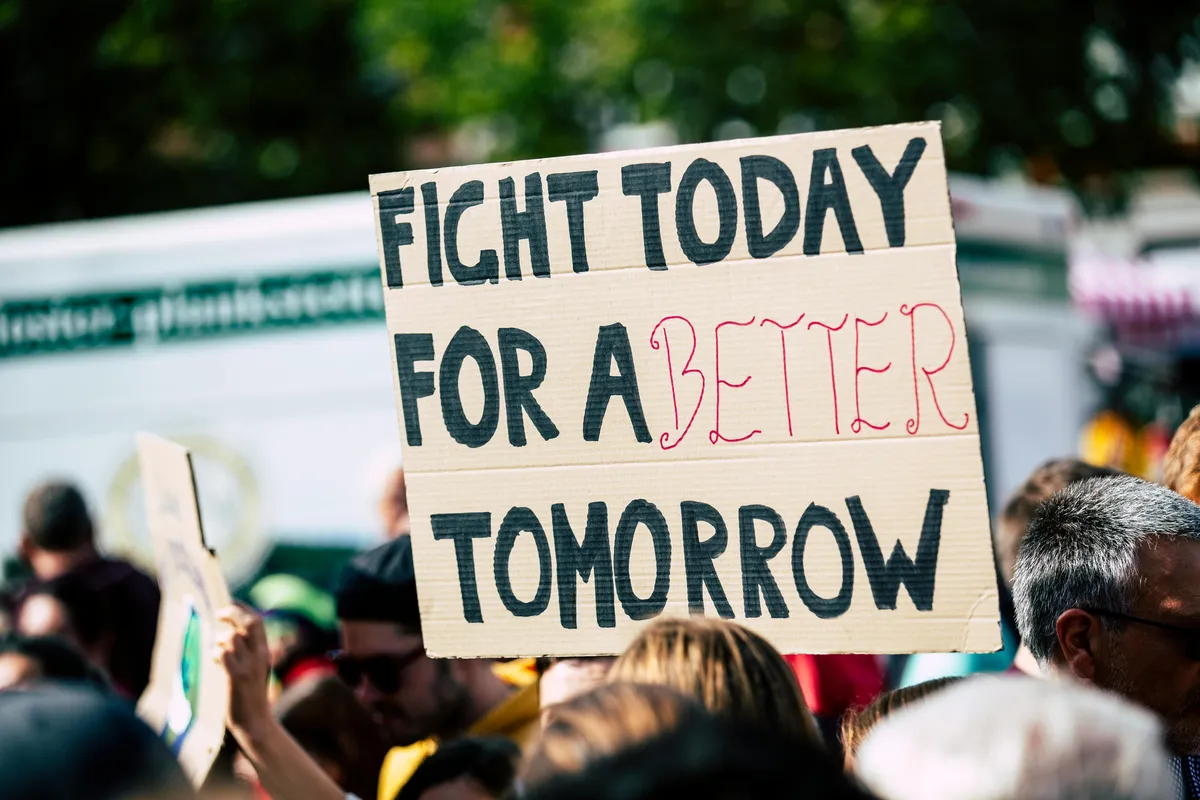
On May Day, over 100,000 students across the United States participated in protests, signaling a surge in youth activism focused on labor rights and social justice. This event reflects a growing trend among young people to demand change on critical issues like climate activism and immigration.
That context matters because May Day, also known as International Workers’ Day, has deep historical roots in the labor movement. It commemorates the fight for an eight-hour workday that began in the late 19th century. In fact, the nationwide strike of 1886 aimed to limit working hours and resulted in significant unrest.
The Haymarket affair in Chicago during that same year stands as a grim reminder of the struggle; it ended with several deaths and led to the execution of four labor activists. These events shaped the narrative around workers’ rights and have inspired generations to advocate for fair treatment and justice.
This year’s May Day protests saw thousands rallying against various issues including the Trump administration’s policies, immigration practices, and ongoing social injustices. The Sunrise Movement reported that more than 100,000 students would be striking from school on this day. Many schools even canceled classes due to expected absences from both students and teachers.
But what drives this wave of activism? Young people today are increasingly aware of global challenges—climate change, economic inequality, and systemic racism—and they are unwilling to remain silent. This generation sees their future at stake and is mobilizing to demand accountability from leaders.
Key issues raised during May Day protests included:
- The impact of climate change on future generations
- The need for comprehensive immigration reform
- The fight against social injustice and inequality
As these protests gain momentum, they also raise questions about how effective they will be in fostering real change. Officials have yet to clarify how these movements will influence policy decisions or public opinion moving forward.
The landscape of activism is evolving rapidly. With youth leading the charge, we may witness a significant shift in how society addresses these pressing issues. The next steps for these movements remain unclear; however, their existence is now firmly established on national platforms.