Reaction from the field
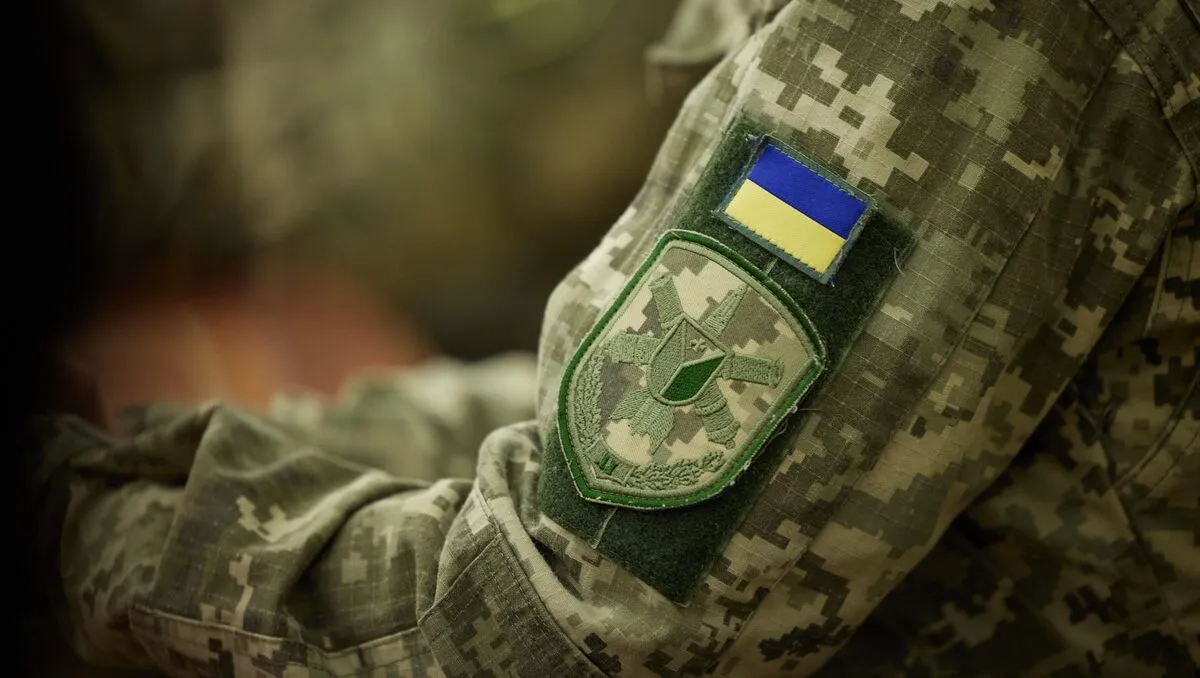
Poland’s recent decision to grant legal amnesty to its citizens who participated in the Ukrainian armed forces has profound implications for both national and international dynamics. This legislation, signed into law by President Karol Nawrocki, provides immunity for Poles who joined the Ukrainian military from April 2014 until the law’s enactment. The move underscores Poland’s unwavering support for Ukraine amidst the ongoing conflict with Russia, which escalated significantly following Russia’s full-scale invasion in 2022.
The law was met with bipartisan support from the Civic Coalition and Law and Justice parties, reflecting a unified stance on the issue. Notably, the far-right Confederation group abstained from voting, indicating a nuanced political landscape regarding military involvement abroad. The authors of the bill articulated that “in the existing international context, the participation of a Polish citizen in Ukraine’s fight against Russian aggression cannot be perceived as a violation of the constitutional obligations of loyalty to Poland, concern for the common good, or obligation to defend the homeland.” This statement highlights a critical shift in how Poland views its citizens’ involvement in foreign conflicts.
Prior to this legislation, Polish citizens who served in foreign militaries without government consent faced severe penalties, including up to five years in prison. The new law alleviates fears for approximately 1,000 individuals who signed up for the Ukrainian Legion, many of whom have been concerned about their legal standing upon returning home. As Andrzej Podgórski noted, “Many of these volunteers who are fighting for Ukraine, besides the daily challenges of just surviving from day to day, also have this worry about ‘what will happen when I return home.’” This law aims to provide them with peace of mind as they continue their efforts in Ukraine.
In addition to the amnesty law, Poland has also committed to sending 379 power generators to Ukraine, further solidifying its role as a key ally in the region. The Polish government has raised €1.6 million to procure additional equipment for Ukrainian forces, demonstrating its commitment to supporting Ukraine’s defense against Russian aggression. This multifaceted support is crucial as the conflict continues to evolve, and Poland’s actions may influence other nations’ stances on military aid.
Moreover, Poland’s Ministry of Culture and National Heritage is also taking steps to protect its cultural sector. The European Writers’ Council (EWC) has expressed support for a bill aimed at establishing a fixed book price system in Poland. This initiative, announced in December 2025, seeks to enhance transparency and ensure appropriate remuneration for writers and translators. The EWC, representing a quarter million writers from 52 associations across 34 countries, emphasizes the importance of safeguarding the book market during these turbulent times.
The EWC has stated, “The first important step has been taken, and we look with appreciation and hope at this deeply important message to the whole of Europe.” This sentiment reflects a broader concern for cultural preservation amidst the ongoing conflict and economic challenges faced by many nations, including Poland.
As Poland navigates these complex issues, the future remains uncertain. While the legal amnesty for citizens who joined the Ukrainian armed forces marks a significant development, the potential ramifications of this decision on domestic and international relations are yet to be fully understood. Details remain unconfirmed regarding how this law will be implemented and its long-term effects on Polish society and its military policies.
In summary, Poland’s legal amnesty for its citizens who served in Ukraine represents a pivotal moment in the country’s military and cultural policies. As the situation evolves, the implications of this legislation will likely resonate beyond Poland’s borders, influencing perceptions of military service and national loyalty in a rapidly changing geopolitical landscape.