How it unfolded
In recent weeks, the UK has been grappling with significant fuel shortages at petrol stations, a situation exacerbated by rising demand and supply chain disruptions. Asda, one of the major supermarket chains, has reported temporary shortages at its petrol pumps, attributing this to high demand and supply issues stemming from the ongoing conflict in the Middle East.
As of today, petrol prices in the UK have surged above 150p a litre for the first time since May 2024, reaching an average of 150.11p. The average price of diesel has also seen a dramatic increase, now standing at 177.68p a litre. This rise in fuel prices is not just a recent phenomenon; it has been influenced by the geopolitical tensions in the Middle East, which have driven up costs and created instability in supply.
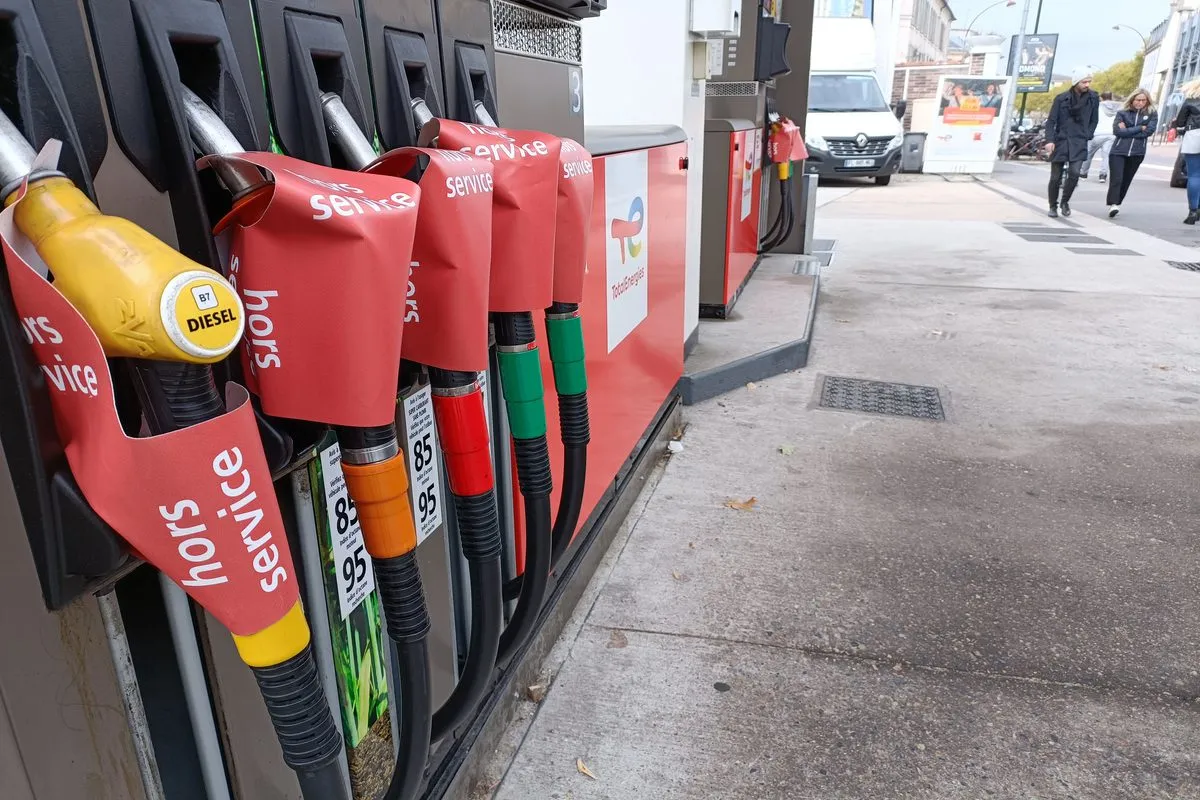
Reports indicate that petrol stations in Scotland have been forced to close due to running out of fuel. Areas such as Dundee and Fife have seen several petrol stations unable to meet the demand, leaving drivers scrambling for fuel. The situation is particularly dire for those embarking on long journeys, as they are now advised to plan their refueling stops carefully.
According to the Fuels Industry UK spokesperson, the supply of petrol and diesel was initially stable, but the recent spikes in demand have led to temporary shortages. Allan Leighton, a representative from Asda, confirmed that fuel volumes have increased significantly, yet demand continues to outstrip supply. He noted, “Our fuel volumes are up quite significantly and clearly demand has been outstripping supply. Supply is tight and we are all trying hard on that.”
As the conflict in the Middle East continues, the average price of diesel at UK forecourts has risen by 29% since February 28, while average petrol prices have increased by 16%. This has resulted in the cost of filling the average family car with diesel exceeding £100 for the first time in over three years, creating financial strain for many households.
Drivers have been urged to remain vigilant and plan their refueling strategies, especially during peak travel times. Simon Williams from the RAC emphasized the need for careful planning, stating, “Drivers on long journeys will need to plan very carefully where they refuel.” This advice comes as the situation remains fluid, with petrol stations working to replenish their supplies as quickly as possible.
As the UK navigates these fuel shortages, the implications for consumers are significant. The rising costs and limited availability of fuel not only affect individual drivers but also have broader economic consequences. The ongoing conflict in the Middle East continues to pose challenges for the fuel supply chain, and the situation is being monitored closely by industry experts.
In summary, the current petrol stations fuel shortages in the UK today are a direct result of high demand and supply chain disruptions linked to geopolitical tensions. As the situation evolves, drivers are encouraged to stay informed and plan accordingly to avoid being caught in the midst of these shortages.